
Commercial
Pest and Rodent Control for Healthcare Facilities
Patient care and comfort are top priorities for healthcare facilities of all types. Unfortunately, healthcare facilities can be susceptible to pest infestations. Frequently opened doors, people coming in and out, cartons of supplies being delivered, plus food storage and preparation can all be conducive to pest activity.
Healthcare facilities have many different areas that can be attractive to pests, including patient rooms, exam rooms, lobbies, waiting rooms, hallways, restrooms, and dining spaces. Proper pest control for healthcare facilities is essential as unnoticed pests can quickly turn into an infestation, which can negatively impact patient satisfaction. Here are some of the most common pests that you should know about if you work in a healthcare setting:
Cockroaches
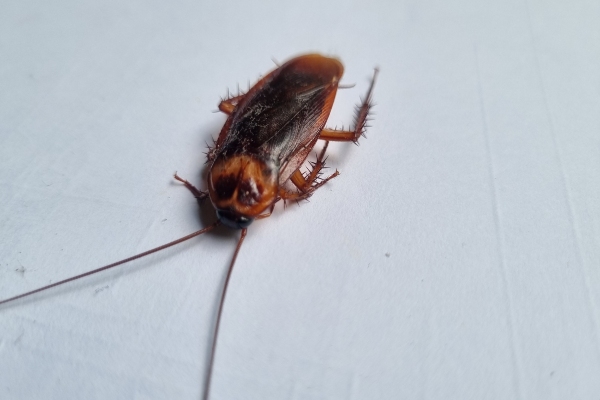
Known as one of the most resilient pests, one cockroach can turn into a large infestation quickly. Cockroaches can be vectors for bacteria, including E. coli and Salmonella, which may be particularly harmful to patients with compromised immune systems. Their droppings, saliva, and shed skin contain allergenic proteins that can trigger asthma and allergic reactions in some people. Cockroaches often hide in dark cracks and voids and can be transported into buildings through shipments and deliveries. They reproduce rapidly and are highly adaptable pests, making them challenging to eliminate without a pest control provider.
Bed Bugs
As their name implies, bed bugs are small, ectoparasitic insects that nest in and around beds where they feed on the blood of sleeping people. Bed bugs can be difficult to spot, and they can be transported by people, as well as in luggage or on clothing. They also reproduce rapidly, so if you spot one, many more are often around. Bed bugs can cause itchy and sometimes painful bites, depending on how a person reacts. Most bed bug infestations are found in beds, furniture, pictures, and baseboards adjacent to beds. They can also be found in cracks and in the folds of a bed. In addition to potential bite symptoms, other signs that bed bugs may be present include small, brown (fecal) stains on bedding, small blood spots on sheets, and molted bed bug exoskeletons.
Rodents
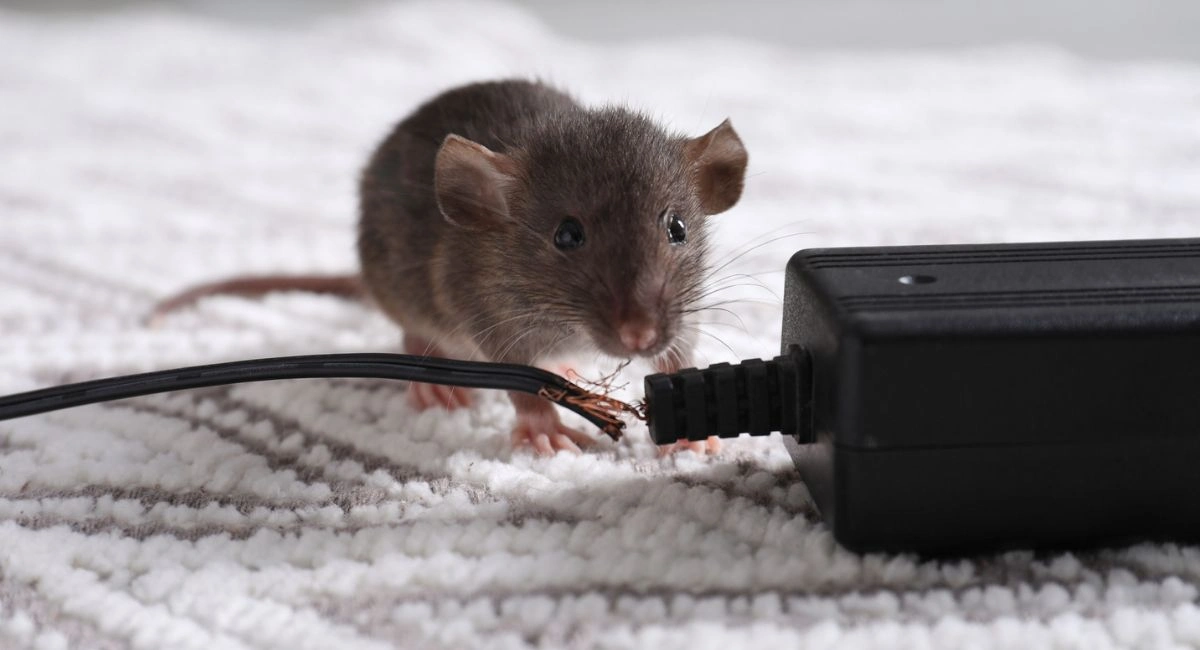
Rodents can be a major nuisance for healthcare facilities due to their tendency to cause damage, create unsanitary conditions, and disrupt daily operations. Many rodents carry pathogens that may cause disease and even leave unsanitary droppings behind. Their gnawing can cause damage to packaging, products, equipment, and structures. These unsightly pests can enter buildings via doorways, which are constantly open in hospitals and other healthcare facilities, and through surprisingly small cracks and holes.
Flies
Flies are attracted to food waste, garbage, and other organic matter, often found in healthcare facilities. Besides being irritating and annoying, flies can contaminate food and packaging materials and potentially spread food-borne illnesses. They can carry and transmit various pathogens, including bacteria and viruses, on their bodies, and in their saliva and feces. They can enter buildings through open windows, doors, cracks, and other small openings. Flies can thrive in trash receptacles and drains, can be hard to control, and often increase in number during summertime.
Mosquitoes
Mosquitoes can cause itchy bites and carry pathogens that may cause various diseases, such as the West Nile virus, Zika virus, and Dengue fever. Found everywhere except Antarctica, mosquitoes are most active when outside temperatures top about 50 degrees Fahrenheit. While healthcare facilities are not direct attractants for mosquitoes, the outdoor areas surrounding them can become breeding grounds for these vectors. These insects can breed in very shallow water, often in places like clogged gutters, decorative fountains, bird baths, ponds and even in water cooler drip trays and flower vases.
What to Do If Your Healthcare Facility Has Pests
Healthcare facilities have special needs and requirements, including patient welfare and federal agency, regulatory and health code compliance. That's why it's important to find a qualified commercial pest control partner with knowledge about specialized procedures and protocols designed for the healthcare industry.
Terminix® Commercial serves a wide range of healthcare environments, including hospitals, clinics, medical offices, dental offices, nursing homes, and assisted living facilities. We deliver top-quality pest control for healthcare facilities and offer customized, comprehensive solutions.
In most cases, it's best to act preventively or at least take action at the first signs of a pest problem before infestations become well established. If you are in need of pest or rodent control for healthcare facilities, get a free quote today.