Commercial
The Role of Employee Training in Food Safety & Pest Control
For businesses that sell and handle food, sticking to proper food safety practices is a top priority. From protecting inventory from potential contamination to maintaining a positive reputation and meeting regulatory standards, pest control plays a significant role in overall food safety.
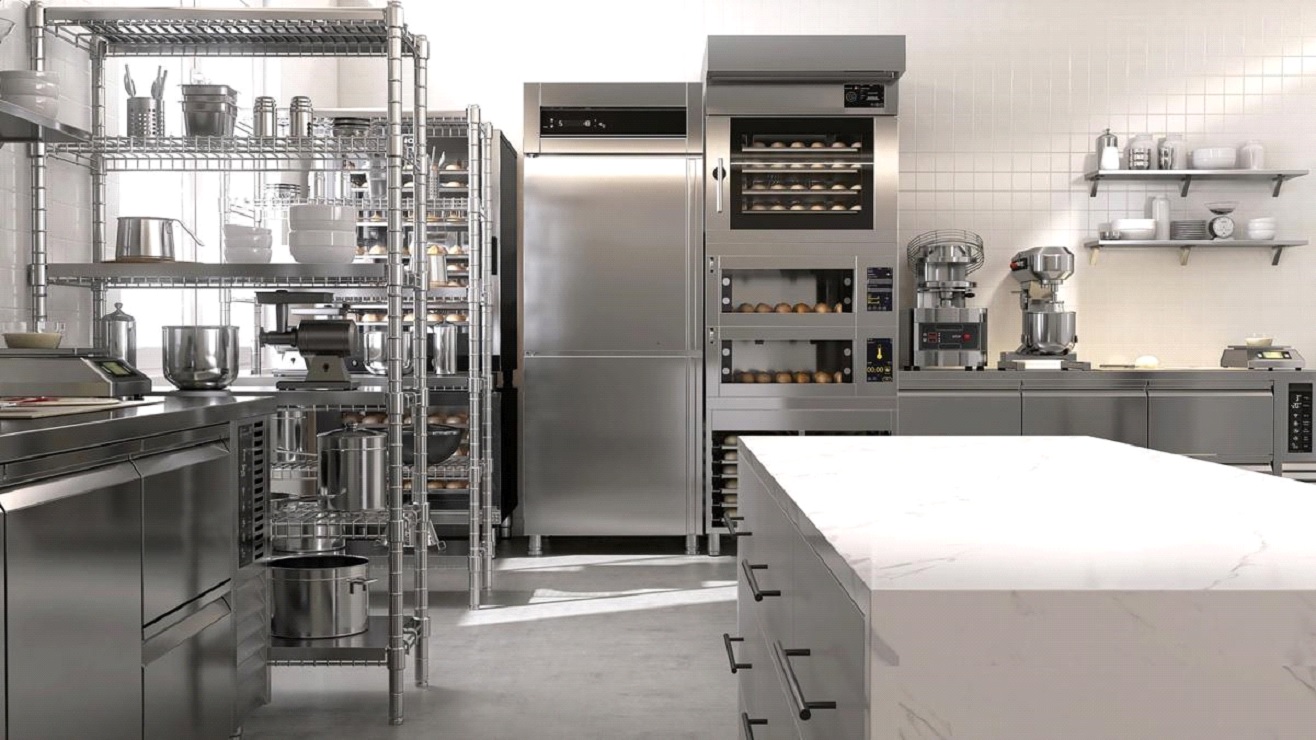
Having a food safety and pest management plan in place is important; however, you need to ensure it’s being implemented properly. Food safety training for employees, combined with additional training on the importance of pest control, provides your staff the knowledge and confidence they need to protect your business from product loss, property damage, and the impact food contamination can have on your reputation. Learn more about the role employee training plays in your overall food safety and pest control strategy.
The importance of food safety
For any business that works with food, whether preparing it, serving it, or selling it, food safety is of paramount importance. While specific practices may look a little different whether you’re running a grocery store, restaurant, or food processing facility, the bottom line remains the same: keeping food fresh and free of contaminants is good for business.
One study found that a single outbreak of listeria (which can be found in anything from raw vegetables to deli meats) in a fast-food restaurant could cost the business up to $2.5 million, with 250 people affected.
Conditions that cause foodborne illnesses and contamination can develop gradually, which is why it’s important to be proactive in your approach to food safety. Prevention is key, and your employees are one of your most important resources when it comes to staying on top of day-to-day best practices.
Pest control in food retail, service, and processing
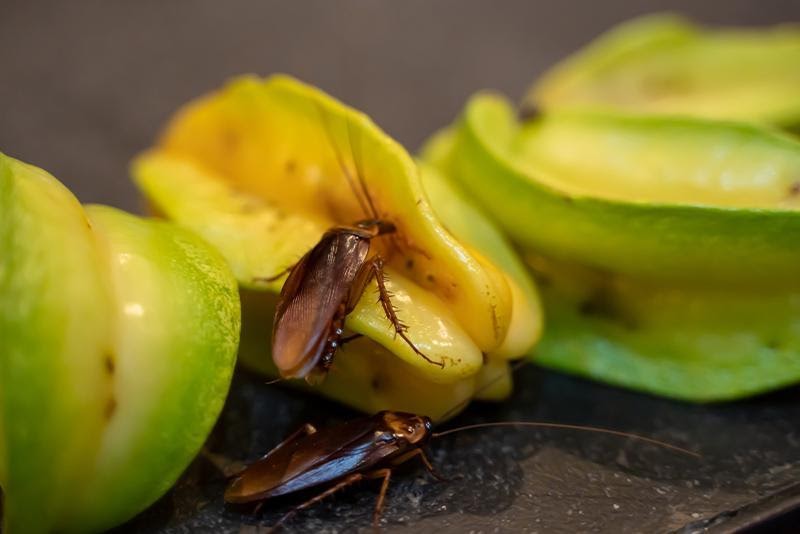
Most pests that impact food-focused businesses, whether it's rodents, cockroaches, stored product pests, flies, or even birds, are after one thing: their next meal. These pests can also carry a host of bacteria and disease-causing pathogens that could potentially transfer to food inventory that is then sold to the public. Not only can this make people very sick, but it can also be devastating for your business’s reputation and bottom line.
That’s why having a proactive pest control plan is essential. From exclusion practices to cleaning and food storage protocols, there are many prevention strategies that can be implemented to ensure you’re not attracting pests and inviting them into your business. By putting in a little more work and planning upfront, you’re investing in your reputation and the future success of your business.
Employee Training: A cornerstone of food safety and pest control
No matter the industry, running a business involves a lot of moving parts. You can’t be everywhere at once, so making sure your employees are well-trained in food safety is essential. While regulations vary by state, generally, any employee who will be handling food needs to complete food handler certification. That includes kitchen and serving staff in restaurants and employees working in the deli or prepared food departments in grocery stores. Requirements may be slightly different in food processing facilities.
Some of the ways employees contribute to food safety practices for your business include:
⦁Regular cleaning in food prep and storage areas
⦁Keeping track of completed tasks related to cleaning, food delivery, and storage
⦁Following storage and prep guidelines for perishable foods like meats, dairy, and produce. For example, rotating products according to the first in, first out method
⦁Keeping an eye out for signs of pests like droppings or gnaw marks on packaging
⦁Reporting signs of pests
⦁Proper disposal of garbage and food waste
Building a team of employees that respects and adheres to food safety practices all starts with your management team. Make sure management is fostering an environment where employees know what is expected of them and feel empowered to speak up if they see any issues. Management can also do their part by setting a good example and clearly communicating the importance of food safety and pest control to employees regularly.
Key components of employee training
A thorough employee training program should be tailored not just to your industry but to your business. In addition to requiring general food safety certifications, it’s important to provide additional training that answers day-to-day questions your staff may encounter in their roles. For example, employees should know where to find cleaning supplies, how to store, label, and rotate perishable food items, and who to notify if they see signs of pest activity.
Here are some key components to include in your employee training related to food safety and pest management.
Restaurant and bars
⦁Food preparation guidelines
⦁Food storage guidelines
⦁Cleaning protocols, including how often to wipe food prep surfaces, when to clean appliances, and how to clean food prep tools
⦁A checklist of cleaning tasks to do every night before closing, tasks to do once a week, and tasks to do once a month
⦁Garbage disposal best practices, including pick-up schedules
⦁Common pests, how to prevent them, and signs to watch out for
Grocery stores and convenience stores
⦁How to inspect new deliveries for stored product pests and cockroaches
⦁Keeping the inventory organized and clean, both in storage and on display
⦁How to handle produce, dry goods, frozen foods, dairy, meats, etc.
⦁Garbage disposal best practices
⦁Common pests, how to prevent them, and signs to watch out for
Food Processing
⦁How to inspect deliveries and shipments
⦁Best practices for products, storage, and shipping
⦁How to handle packaged food
⦁Signs of contamination to look out for
⦁Daily, weekly, and monthly cleaning protocols
⦁How and when to clean equipment
⦁The right clothing to wear such as hair nets and gloves
⦁Recognizing common pest-conducive conditions
⦁Common pests, how to prevent them, and signs to watch out for
Businesses in all food-related industries will have regular inspections from government agencies to ensure they are following best practices. Make sure your employees are aware that this can happen at any time, so they understand the importance of following protocols.
Implementing an employee training program
Whether you’re overhauling your employee training program or starting from scratch, it’s important to have an efficient way to provide new and existing employees with the information they need. E-learning has become a popular option for most businesses. Employees can visit a website from their home and complete training when it’s most convenient for them. If you’re looking for a food safety course for your staff, ServSafe has a Food Handler certification that may fit your needs.
On the pest control end of things, enlisting a professional pest control company like Terminix to help you build out that section can be a smart way to make sure all the information is accurate and thorough. We can help you tailor your training materials to the needs of your business and pass on valuable pest control knowledge to your staff
Monitoring and continuous improvement
Once you have food safety protocols in place and a plan to keep employees up to speed, you’re in a good position. But you still need to make sure you’re monitoring employee performance and staying open to suggestions on how to make your approach more effective and efficient. In fact, your employees will be a valuable resource as you look for ways to improve your practices and keep the business running smoothly.
Maintaining food safety depends on not only having a plan in place but also ensuring your employees are well-trained to follow the plan. Approaching pest control with the goal of prevention and immediate action at the first signs of pest activity is the best way to ensure food safety stays a priority and your business is set up for success long-term.
Want to prioritize pest control for your business? Call us at (877) 837-6464 for a pest control quote or to book a service.