Commercial
Do LED lights attract insects?
As a business owner, it's important to consider the lighting choices you make for your establishment. Have you ever had the experience of customers being distracted or annoyed by pesky insects flying around your space? Insects that are attracted to light can be a nuisance for businesses, especially in the food or hospitality industry, so carefully considering your lighting is critical.
With the rise of energy-efficient LED lighting, you might be wondering do LED lights attract bugs more than traditional lighting. Understanding the science behind why bugs are attracted to lights can help you decide on the best lighting options for your business.
Can your lighting attract bugs to your business?
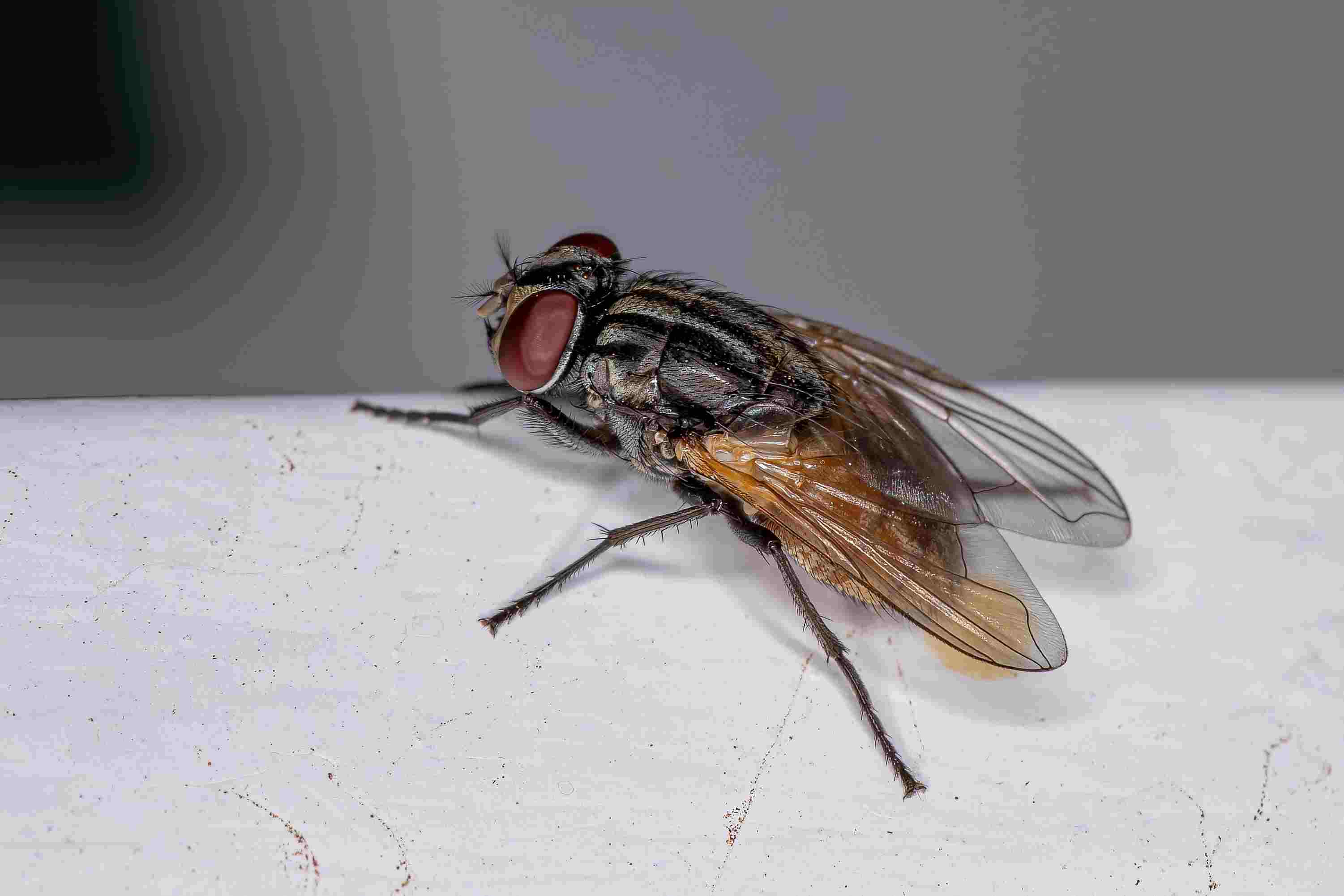
The way bugs navigate in the natural world and what attracts them to light has been researched for many years now. Many insects, including pests like mosquitoes, moths, and flies, use the moon and stars to help them orient themselves as they move about in the dark. However, artificial light sources can confuse these pests, leading them away from their intended path.
Since certain pests are highly attracted to light, it can cause many implications for businesses operating outdoors or in areas with many windows. For example, restaurants and bars with outdoor seating may attract more bugs due to their lighting. Similarly, commercial buildings with large glass windows may attract more bugs, especially at night.
Which types of lights attract bugs and which don’t
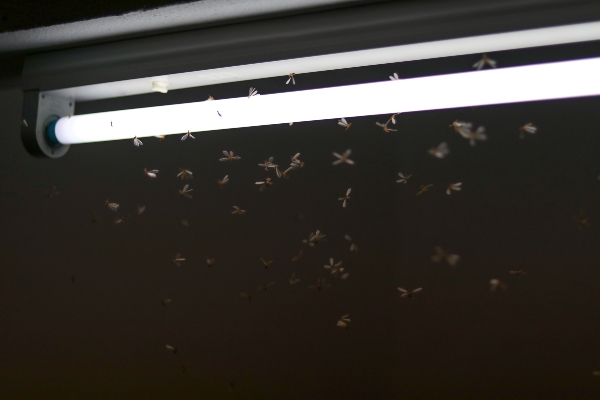
While most light sources attract bugs, certain types are significantly less inviting to these tiny visitors. Unlike humans, insects can perceive ultraviolet (UV) light that is invisible to us. This, along with blue and green wavelengths, are highly attractive to them. Lights emitting heavily in these spectrums, like mercury vapor lamps and standard incandescent and fluorescent bulbs, become bug magnets. On the other hand, insects typically show less interest in colors like yellow, orange, and red.
LED lights emit UV-A light with a further reach than traditional lamps and can attract more bugs. These lights are attractive to insects due to their unique light spectrum, which is more appealing to bugs than traditional incandescent or fluorescent lighting. The specific wavelengths emitted by LED lights can mimic natural sources of light that insects are naturally drawn to, making them more likely to be attracted to these light types.
Using LED lights for pest control
We conducted a global study on insect attraction to light and discovered that LED technology, when paired with an insect light trap, was more effective in attracting and capturing flies than traditional light sources. This data was used to create our revolutionary LED insect traps called Lumnia. Lumnia can be especially useful for businesses, as it offers an energy-saving and non-chemical solution to help eliminate flying insects.
Lumnia uses specifically designed LED lamps that emit targeted UV wavelengths invisible to humans. These wavelengths are highly attractive to flies but have a short half-life, meaning they decay rapidly and pose no harm to humans or the environment. Lumnia's unique glue boards capture flies or other flying insects, which can help improve your business's overall hygiene and cleanliness, which is especially important for industries such as food service and healthcare.

If you need help protecting your business from unwanted pests, contact us today!