Commercial
Common Pests Found in Healthcare Facilities
When patients arrive at a healthcare facility, they shouldn't need to worry about pests being part of their stay. For hospitals, long-term care facilities, and medical clinics, managing the possibility of pests is an essential part of not only running a business but also providing optimal care.
Get to know the top three pests found in healthcare facilities and learn how prevention is part of making sure patients are taken care of in a clean environment, without pests.
What attracts pests to healthcare facilities?
Hospitals and clinics are busy facilities serving a large volume of patients daily. With all the foot traffic, regular deliveries, and plenty of places to hide, pests can easily get in and go unnoticed while they multiply. Pests are attracted to spaces with food, like cafeterias, and can also make their way to treatment rooms, storage closets, and restrooms. Make sure you're aware of these three types of pests so you can help prevent them.
Bed bugs
Bed bugs may be tiny insects, but they can cause big trouble for healthcare facilities. Although bed bugs don't live on their human host like body or head lice, they will hitchhike on personal belongings, including items of clothing, purses, backpacks, and suitcases. They prefer to feed on their host and then retreat to a harborage such as a wheelchair, bed or personal item.
The risk of a bed bug infestation in a hospital tends to be lower than the risk in residential healthcare facilities like nursing homes or assisted living. Still, living with bed bugs in any healthcare facility is distressing. Bed bugs are not known to carry disease-causing pathogens, but some patients will react to bed bug bites much like they would a mosquito bite, and if they itch, scratching could introduce infection.
Here's what hospitals can do to help prevent a bed bug problem:
- Maintain a clean environment: Regularly vacuum and steam clean furniture, especially fabric items that bed bugs can hide in. Be sure to isolate items when bed bugs are found on patient belongings or furniture to help prevent the spread.
- Spot the signs: Train staff to spot the signs of bed bugs in your hospital. Visible bugs, dark spots on walls, sheets or furniture, shed skins, and blood spots on waiting room chairs or patient beds are clear signs of these insects. Notify your pest management professional if evidence is found.
- Regular inspections: Regularly scheduled, professional inspections are the most reliable way to help prevent a bed bug infestation from spreading. Healthcare can be hectic, so ensure your staff can focus on the patients and leave pest management up to the experts.
Flies
Flies may seem like a common household pest, but they can grow into a health hazard in hospitals. Flies are more than mere annoyances because they can carry and transmit disease-causing pathogens and contaminate hospital supplies and food.
Whether it's house flies, fruit flies, or drain flies, they all signal unsanitary conditions to your visitors and patients.
Here's how to help prevent flies from taking hold in hospital settings:
- Effectively dispose of trash: From kitchens and cafeterias to patient rooms and reception areas, flies are attracted to areas with food waste. Take out the trash regularly and keep your outdoor disposal areas as far from the building as possible to help reduce fly issues. Exterior trash receptacles should have self-closing lids and dumpster pads should be kept clean of spilled food and waste.
- Close windows and doors: When not in use, make sure doors stay shut. If windows can be opened, make sure they are equipped with good screens. Regularly inspect for damage that might give flies an opportunity to enter.
- Check the plumbing: Some flies prefer to live in high-moisture areas like sinks and floor drains. Use an enzymatic drain cleaner as part of the regular sanitization schedule to remove organic material supporting fly development.
Cockroaches
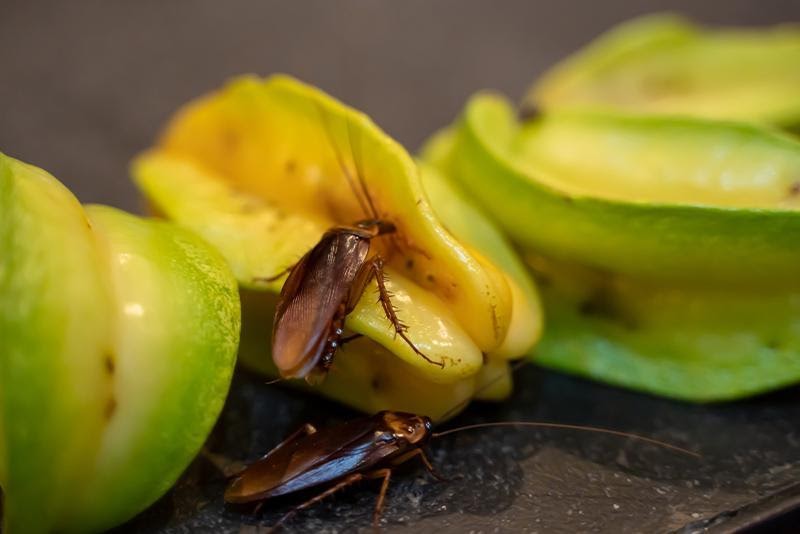
Cockroaches are pests that can infiltrate many commercial facilities, and hospitals are no exception. In the United States, the most common and pervasive type of cockroach is the German cockroach. German cockroaches can trigger allergies and are known to carry disease-causing pathogens that can cause foodborne illnesses.
Cockroaches in hospitals can show up anywhere, but they are most likely to seek out areas that are warm, out of sight and close to a reliable food and water source.
Here's how to help detect and prevent cockroaches in healthcare facilities:
- Seal off hiding spots: Closely inspect hospital food service areas for any cracks along walls, floors, and under furniture. Sealing these entry points can help reduce the likelihood of a pest problem.
- Cut the clutter: A messy storage room is a great place for cockroaches to hide. Reduce unnecessary clutter and avoid using cardboard for the long-term storage of items as they can conceal pests and cannot be sanitized.
- Watch for hitchhikers: Cockroaches can make their way inside delivery trucks and packages, especially if food is present. Stay vigilant in watching for signs like droppings and skin sheds before bringing items further into your facility.
Make Terminix part of your pest control plan
You go to great lengths to maintain a high standard of cleanliness in your healthcare facility. When it comes to pest control, the experts at Terminix can help you develop and scale a thorough plan that can be integrated into your regular facility maintenance protocols.
From protecting your patients and staff from the physical and mental tolls of a pest infestation, to ensuring you're complying with health codes, Terminix can provide the support you need to keep your healthcare facility protected from pests. If you spot any signs of pest infestation, give us a call to schedule an inspection—or set up a long-term plan that you can count on.
Want to discharge pests for good? Call us at (877) 837-6464 for a pest control quote or to book a service.