Commercial
Commercial Pest Guide: Flies
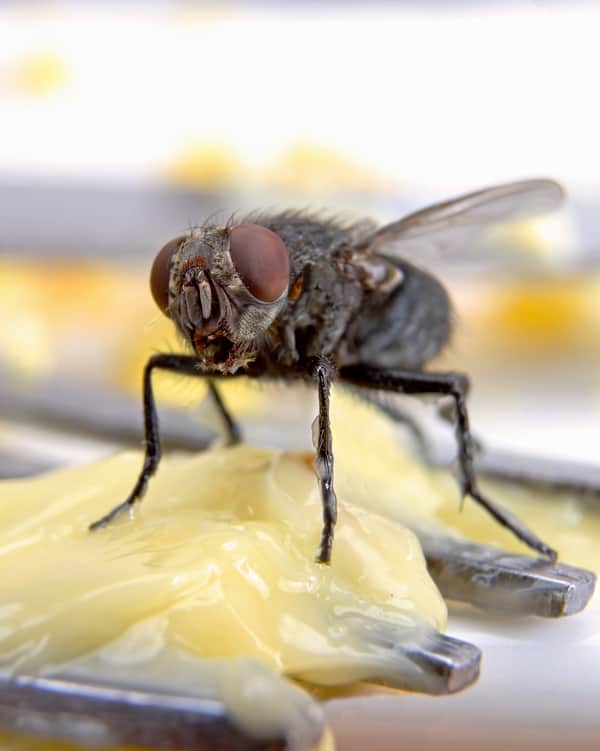
At first, a fly buzzing around might seem like a minor nuisance, but when you consider the possible implications of its presence, it's a different story. Flies' reputation for being unsanitary can have a serious impact on your business and reputation, especially if you run a food processing plant, foodservice or hospitality business.
Types of Flies
There are more than 110,000 different fly species found in every part of the world, and female flies are capable of laying hundreds of eggs in their short lives. Flies are known to carry at least 65 different disease-causing pathogens that they can easily transmit to humans, so a fly infestation in your business can be a huge problem for your reputation, and the health and safety of your employees and customers. Here are some of the most common types of flies than may affect your business.
House flies
About ¼ inch long with dark gray stripes, the common house fly lives almost anywhere that humans live. They survive the winter by getting inside heating buildings and will seek out decaying organic matter to feed and breed.
Fruit flies
One of the smaller types of flies, fruit flies are only 1/10th-1/5th of an inch long and may be yellow, brown-yellow, or brown-black. They are attracted to decaying or overripe fruits and vegetables that are left unrefrigerated or unwashed dishes and sticky counters. Fruit flies are common for businesses with food prep areas, and their population will noticeably shrink if the food they were attracted to is disposed of.
Drain flies
Anywhere between 1/16th to 1/4th of an inch, drain flies are dark gray with lighter wings. They thrive in high-moisture areas like sink and shower drains, basement floor drains, air conditioner drains, dormant septic lines, and shady areas where water collects. Most active at night, drain flies are weak flyers that don't travel far from their original home.
Flesh flies and Blow flies
Both flesh flies and blow flies are carrion feeders (they feed on dead animals). They are both about 1/4th of an inch long and vary in appearance from grey to metallic blue or green bodies. Both types are usually found in dumpsters with decaying organic matter, so businesses like restaurantsand hotels with lots of waste must be diligent about regular trash removal. While a few flies might not be a problem, if the population grows, they could start migrating inside, given the chance.
Phorid flies
Also known as humpbacked flies, Phorid flies are 1/8th of an inch long with tan-brown bodies and a severely arched thorax, phorid flies will lay eggs in a wide range of environments. Indoors, they'll seek out any type of organic matter, even paper and cardboard. Outdoors, they lay eggs in decaying animal remains, drains, dumpsters, and any area where moist, organic matter accumulates for five days or more. Common in commercial facilities with food prep areas, food warehouses and in hospitals, phorid flies breed in unsanitary conditions and can easily spread disease-causing pathogens. They will run before they fly which makes them unique from other types of flies.
Learn more about our fly control services tailored for businesses.
Fly Prevention
As with any pest prevention is key when it comes to avoiding the damage flies can cause your business. They don't discriminate when it comes to industry, location or type of business, so these fly prevention tips are relevant to all business owners.
- Dispose of food waste daily and clean trash receptacles regularly
- Refrigerate and store produce properly
- Use or dispose of any produce that is at risk for becoming overripe
- Clean and sanitize food prep and storage areas every day
- Flush drains in kitchens, restrooms, and basements with microbial agents
- Install Insect Light Traps (ILTs) to attract and trap adult flies
If you already have an infestation, fly control services can tackle the problem head-on so you can put prevention practices into place with a clean slate.
Worried about pests settling in? Call us at 877.837.6464 for a free assessment or to schedule a service.