Bug Facts
Do silverfish live in drains?
Content Updated: November 13, 2025
Key takeaways
- Silverfish are attracted to damp, humid environments and commonly reside in areas like bathrooms, kitchens, and laundry rooms, but they do not live in drains or water.
- These pests feed on carbohydrates, proteins, and mold, which means they can be found in food items like flour and rolled oats, as well as in places like wallpaper and book bindings.
- While silverfish are not harmful to humans and do not bite, their shed skins can cause allergic reactions and may be a concern for individuals with asthma.
- To prevent silverfish infestations, it is important to reduce moisture, seal entry points, and maintain regular cleaning practices, such as vacuuming to eliminate both adult silverfish and their eggs.
Jump to section:
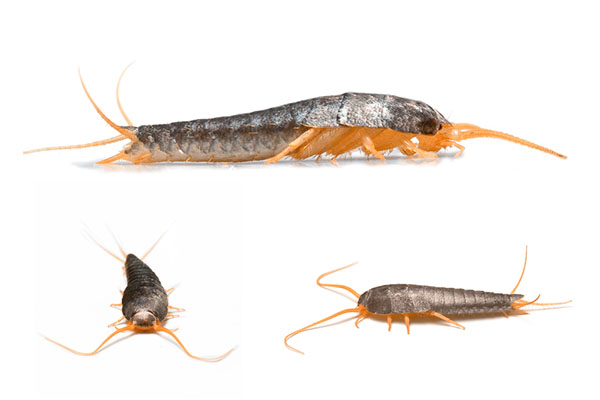
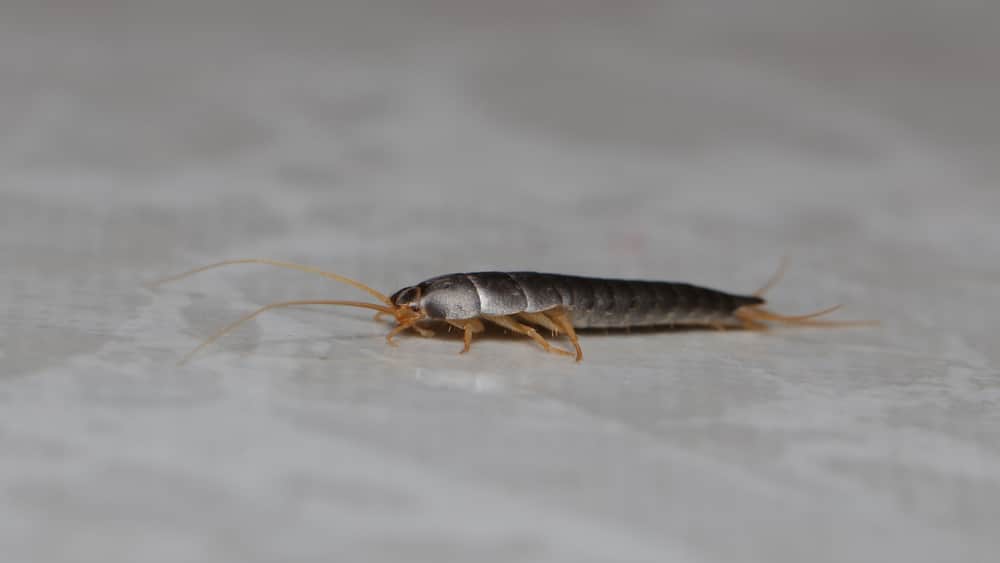
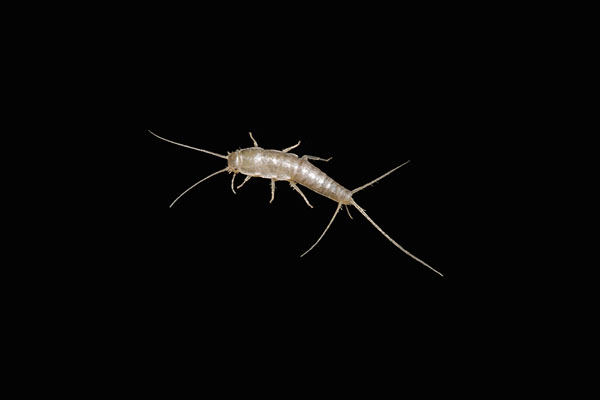
Silverfish in drains can be a common sight around homes. These small, pearl gray insects are some of the oldest creatures on the planet, existing about 100 million years before dinosaurs were around. Today, they may often be seen scurrying across the floor or climbing on the walls of your house. They’re active at night, which means you may run across these unwelcome visitors right before you go to bed, or if you get up to use the bathroom in the middle of the night.
Silverfish can be seen almost anywhere in your home, including in the bathroom and the kitchen, which leads many people to believe they live in drains. Learn if silverfish come from drains and what attracts them to our homes.
Where do silverfish live?
So, do silverfish live in drains? Contrary to popular belief, silverfish do not live in drains. They are attracted to moisture and warm, dark places with high levels of humidity (above 75 percent), which explains why they are frequently found in bathrooms. While silverfish are attracted to areas with high humidity, silverfish do not live in water and are often found trapped in sinks or bathtubs without the ability to escape.
Other places in your home where you may encounter silverfish include kitchens, laundry rooms, garages, cabinets, and crawl spaces. Silverfish feed on carbohydrates, proteins, and mold. In the kitchen, they may be found dining on flour, rolled oats, and starches, and they have even been found in sealed boxes of food. Other popular food sources for silverfish include wallpaper glue and book bindings. Ever open a book and see a silverfish dart out? Now you know why.
Silverfish can enter homes through cracks and voids, and homeowners may accidentally carry them inside on boxes or bags.

Are silverfish dangerous?
While silverfish may be unwelcome houseguests, thankfully, they are not known to be harmful to humans. They do not bite, and there is no evidence to suggest that they are poisonous. Additionally, they are not known to carry pathogens that cause disease. However, like many other insects, silverfish do shed their skins throughout their adult lives (a process known as molting), and these discarded skins may cause allergic reactions and pose a risk to people with asthma.
Despite this, one benefit of silverfish is that they help break down and recycle organic matter, such as dead skin cells and hair, contributing to the ecosystem of the home. Signs of a silverfish infestation may include finding their shed skins, small holes in books, wallpaper, or clothing, and seeing these insects scurrying in dark, damp areas such as basements, bathrooms, and kitchens. You may also notice yellow stains from their waste.
How to help prevent silverfish in your drains
It’s true that silverfish are basically harmless; they’re more of a nuisance than a threat. Still, nobody wants a silverfish infestation in their home. You can help get rid of silverfish by doing the following:
- Removing moisture: Repair leaky faucets and use a dehumidifier to remove moisture from the air. If you bathe or shower in the evening, you may also want to wipe down the bathtub or shower to remove water before silverfish become active. Outdoors, you should ensure that water drains away from your home and that your gutters and downspouts are free of debris.
- Blocking entrance points: Use caulk to seal any cracks or crevices that may provide entry to your home. Common access points include cracks under and behind baseboards, around windows, and door trim.
- Vacuum regularly: Vacuum carpet, floors, upholstered furniture, cracks, and crevices to remove young or adult silverfish.
While uncommon, a true silverfish infestation will likely require professional assistance. Over-the-counter treatments rarely address silverfish eggs, and infestations can be difficult to treat, especially if they are found in wooden shingle roofs, which are prone to mold.
The silverfish exterminators at Terminix can help you keep these prehistoric pests at bay. Our professionals know how to find silverfish hiding places and their eggs, and we provide treatment plans to combat existing and future infestations.