
Ticks
How dangerous are tick-borne diseases?
Content updated: May 12th, 2026
Key takeaways
- Tick bites are often painless and may go unnoticed, but they can transmit serious diseases depending on the species and region.
- Lyme disease, tick paralysis, alpha-gal syndrome, babesiosis, and Rocky Mountain Spotted Fever are common tick-borne diseases in the U.S.
- Checking common hiding spots on your body and your pets after outdoor exposure helps catch ticks early.
- Terminix Tick Control services can target hidden populations in your yard and provide ongoing protection that DIY methods may miss.
Protecting your family from tick diseases starts with proactive tick control and awareness. While it is easy to underestimate these pests, ticks are dangerous and can pose real health risks. Whether you are hiking, gardening, or relaxing in your yard, understanding how ticks behave helps you restore the sanctity and well-being of your home.
What happens when a tick bites?
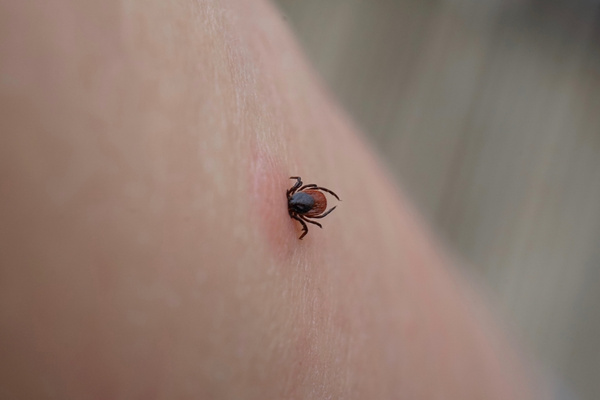
When ticks attach, they insert their mouthparts into the skin and begin feeding on blood. Most bites are painless at first, which is why they often go unnoticed. Common reactions to tick bites may include:- Redness or slight swelling at the bite site
- Mild itching or irritation
- A small bump that may resemble a mosquito bite
While many tick bites are harmless, some people may develop more noticeable reactions, especially if the tick remains attached for an extended period. Symptoms alone don’t always indicate a tick disease, but they’re a signal to monitor your health closely.
How do ticks transmit diseases?
Ticks don’t just bite; they feed, and that’s how disease transmission happens. As a tick stays attached to the skin, it releases saliva that can carry viruses, bacteria, or parasites into the bloodstream. The longer it feeds, the greater the chance of transmission. That said, not all ticks are dangerous, and not every bite leads to illness. Certain tick species and regions have higher risks than others, so while you should take every tick seriously, there’s no need to panic if you find one.
Lyme disease
Lyme disease is one of the most common tick diseases in the U.S. and is caused by the bacterium Borrelia burgdorferi. It often starts with mild symptoms but can become more serious if left untreated.
- Symptoms: Fever, fatigue, headache, and a distinctive bullseye rash
- Danger level: Can become serious if untreated, affecting joints, heart, and nervous system
- Treatment: Typically treated effectively with antibiotics when caught early1
- Carriers: Primarily the Blacklegged (deer) tick
- Location: Common in the Northeast, Midwest, and parts of the West Coast
- Transmission: Not spread person to person
Tick paralysis
Tick paralysis is a rare condition caused by a toxin in a tick’s saliva rather than a bacterium or virus. It can progress quickly but is usually reversible once the tick is removed.
- Symptoms: Weakness, difficulty walking, and, in severe cases, paralysis
- Danger level: Can become serious but is reversible if the tick is removed promptly
- Treatment: Removal of the tick usually leads to recovery1
- Carriers: Associated with species like the American dog (wood) tick
- Location: Found throughout North America
- Transmission: Not contagious between people
Alpha-gal syndrome
Alpha-gal syndrome is an allergic reaction triggered by a tick bite that causes sensitivity to red meat. Unlike other tick diseases, it affects the immune system rather than causing an infection.
- Symptoms:Hives, digestive issues, or severe allergic reactions after eating red meat
- Danger level: Can be life-altering but manageable with dietary changes
- Treatment: Avoiding trigger foods and managing allergic reactions1
- Carriers: Linked to the Lone Star tick
- Location: Most common in the southeastern and eastern U.S.
- Transmission: Not spread person to person
Babesiosis
Babesiosis is a parasitic infection that affects red blood cells and can range from mild to severe. It is less well known but can be serious for certain high-risk individuals.
- Symptoms:Fever, chills, fatigue, and anemia
- Danger level: Can be severe in older adults or those with weakened immune systems
- Treatment: Typically treated with antiparasitic medications1
- Carriers: Spread by the Blacklegged tick
- Location: Primarily in the Northeast and Upper Midwest
- Transmission: Can spread through blood transfusions (rarely); not spread person -to-person
Rocky Mountain Spotted Fever
Rocky Mountain Spotted Fever is a bacterial infection that can become dangerous quickly without treatment. Early recognition and prompt care are critical for recovery.
- Symptoms:Fever, headache, rash, and muscle aches
- Danger level:Potentially life-threatening if not treated quickly
- Treatment: Antibiotics are highly effective when started early1
- Carriers: Often transmitted by the brown dog tick and American dog tick
- Location: Across the U.S., especially in the Southeast
- Transmission: Not spread person to person
How to check for ticks
After spending time outdoors, it’s important to know how to check for ticks on your body. Pay close attention to warm, hidden areas, such as behind the ears, under the arms, around the waist, and behind the knees. Showering soon after coming inside can help wash away loose ticks, and wearing light-colored clothing makes them easier to spot.
Are ticks dangerous to my dog, too?
Dogs naturally explore the very environments where ticks thrive, which puts them at higher risk of exposure. How dangerous ticks are for dogs can depend on the species and location, but certain ticks can transmit illnesses that may require veterinary care if left untreated. Since dogs cannot tell us where it hurts, the presence of ticks on a pet is always a medical red flag that requires immediate attention and removal.

Tips to help protect your dog from ticks
Protecting your dog starts with managing the environment where they play most. By reducing tick habitats, you significantly help decrease the chances of encounters. Here are some quick tips to help protect your furry friends from ticks:
- Use veterinarian-recommended tick preventatives
- Check your dog regularly, especially after walks
- Keep grass and landscaping trimmed
- Wash pet bedding frequently
- Limit time in heavily wooded or brushy areas
How to get rid of ticks in your yard
You can help avoid tick bites and reduce the risk of tick diseases by making your property less hospitable to these tiny terrors. Remove leaf piles, clear tall grasses, and create a buffer zone of gravel or wood chips between your lawn and wooded areas.
However, DIY methods often miss the hidden clusters where ticks thrive. Terminix provides comprehensive solutions that target ticks where they live and breed. Our tick exterminators use specialized barrier treatments to significantly reduce tick populations on your property. The Terminix It Guarantee also means that if ticks come back between treatments, so do we — to re-treat at no additional cost.2