Bees
The bee diet change
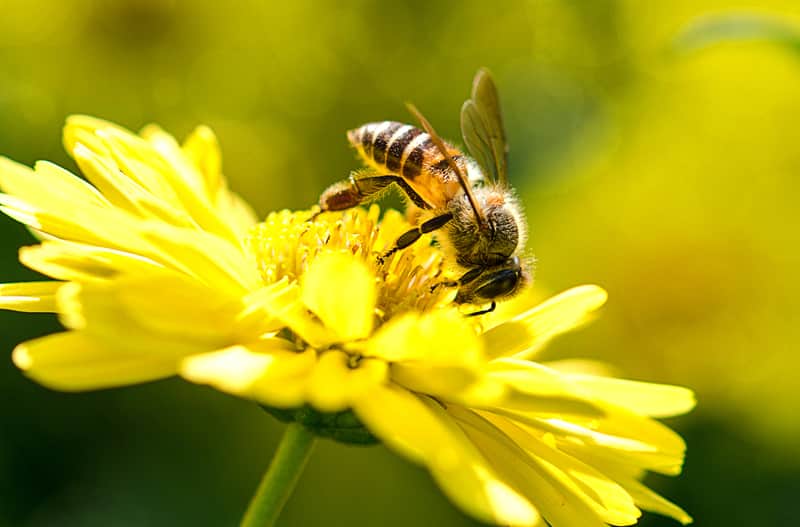
Bees are most commonly seen as they move from flower to flower. These hardworking insects are not just enjoying the blooms; they are busy foraging, which is the process of finding food and water. Bees can fly up to six miles searching for food and may be quite far from their home when you see them buzzing around your neighborhood. And since there are many types of bees, the answer to the question "What do bees eat?" has many different answers. Here's what you need to know:
Bee diet staples: Nectar and pollen
At the heart of a bee's diet are two crucial staples: nectar and pollen. These substances provide bees with necessary nutrients and play a fundamental role in the hive's overall health and productivity. Nectar, a sweet liquid produced by flowers, is rich in sugars, providing bees with the energy they need to power their flight and daily activities. Pollen, on the other hand, is packed with proteins, fats, and minerals, contributing to the growth and development of bee larvae. But how do bees gather these vital resources?
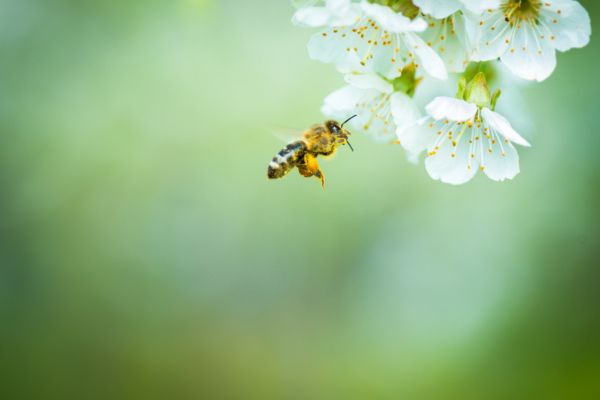
As bees land on a flower, they use their long, tube-shaped tongues to extract nectar. During this process, pollen grains stick to the bees' hairy bodies. Bees then move from flower to flower, facilitating cross-pollination, a critical process for plant reproduction. To collect pollen, bees use their legs to brush the grains into specialized structures on their hind legs called pollen baskets. Once their foraging mission is complete, bees return to the hive, where nectar is transformed into honey, and pollen is stored or immediately consumed.

Do bees eat honey?
Bees do eat honey, but their diet encompasses a range of other treats produced within the hive. One of these substances is royal jelly, a highly nutritious secretion used to feed all larvae in their initial days of development as well as the developing queen bee. Another essential food source bees eat is bee bread, a mixture of pollen, honey, and saliva that undergoes fermentation within the hive. This process makes the nutrients in the pollen more accessible to the bees, providing a vital protein source necessary for the growth of young bees and the overall health of the colony.
Seasonal and situational treats
Bees rely heavily on flowers for their diet, but during times when flowers are scarce such as the changing seasons, bees might turn to alternative food sources. These can include the juice from ripe fruits or substances humans may leave out, like sugary drinks. Despite their adaptability in finding food, it's essential for bees to have access to clean water. Just like many living organisms, bees need water to survive. It aids in digestion, helps regulate their body temperature, and is necessary for food production within the hive.

How do bees eat if some never leave the hive?
Bees have a highly organized feeding system within their hives, ensuring that all bees eat – including those that never leave the hive. Worker bees forage outside to collect nectar and pollen from flowers, which are then brought back to the hive. Worker bees eat the nectar and store it in their crop, an internal storage container. The bees then fly back to the hive and transfer the nectar to other worker bees through a process called trophallaxis, sharing the nectar with the other bees.
While the majority of honey bee larvae eat honey, there are certain larvae that are chosen to become future queens. These immature bees eat royal jelly, which is a white secretion produced by young, female worker bees. Workers and drones are only fed royal jelly during the first few days of larval development, while future queen larvae consume royal jelly throughout their development.
Are bees feeding near your home?
If you notice a large number of bees near your home, it's crucial to address the situation responsibly. Bees play a vital role in our ecosystem, and it’s important to let them feed. If you encounter a significant number of bees on your property, a beekeeper or your local Terminix technician can help safely relocate the bees without harming them, ensuring they continue to contribute to the environment elsewhere.
Schedule a bee inspection and explore the options for bee control with Terminix.