Bees
Different types of bees and how to tell them apart
Did you know there are over 20,000 bee species known around the world? Each type of bee has its own unique characteristics, behaviors, and habitats. Some bees are social and live in large colonies, while others are solitary and live alone. Some are well-known for their ability to produce honey, while others are important pollinators of certain plants.
Despite their differences, most types of bees are all vital to the health of our planet and play an essential role in pollination and the ecosystem. Understanding the diversity of bees can help us appreciate and protect these fascinating creatures. Keep reading to learn more about all the different bee types.
The different bee families
There are seven different bee families, each with their own distinguishing differences. Here is a brief overview of each kind of bee family:
Africanized honey bees
Africanized honey bees belong to the Apidae family and are a hybrid of African and European honey bees. They are more aggressive and defensive of their hives than European honey bees. These bees are often referred to as "killer bees" due to their aggressive nature. Africanized honey bees are found in South and Central America, as well as in the southern United States.
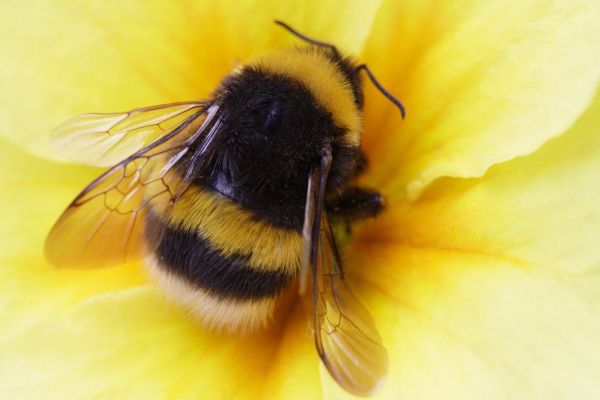
Bumble bees
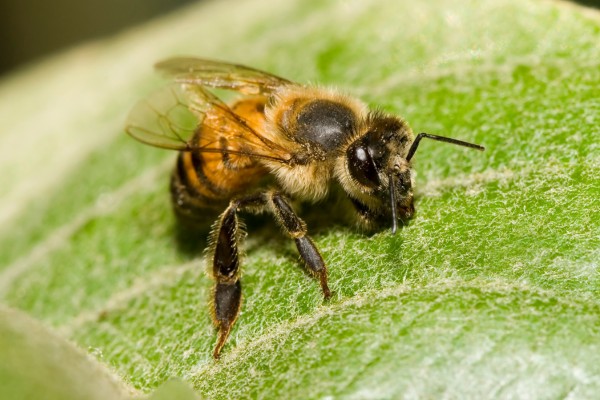
Bumble bees are large, fuzzy bees that are often seen buzzing around flowers. They are excellent pollinators and are known for their distinctive buzzing sound. Bumble bees have a round, fuzzy body with black and yellow stripes. They belong to the Apidae family and can be found in North and South America, Europe, and Asia.
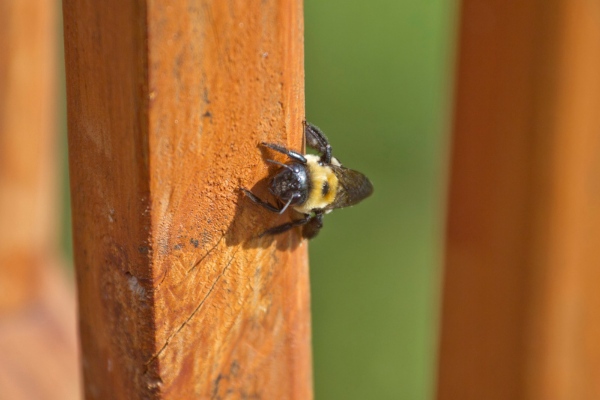
Carpenter bees
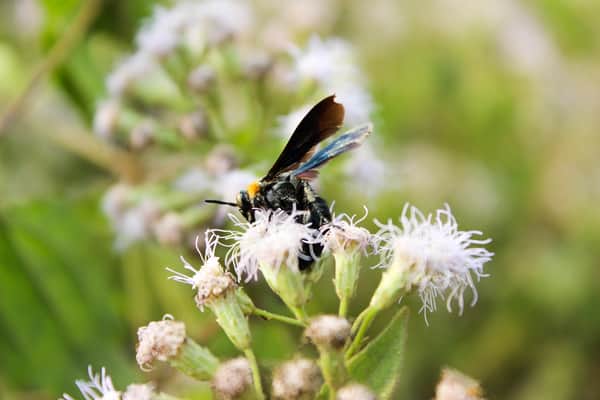
Carpenter bees are large bees with a robust build. They are often mistaken for bumble bees due to their size and coloring. Carpenter bees have shiny black abdomens and can be up to one inch long. They are a part of the Apidae bee family and can be found in North America, Europe, and Asia.
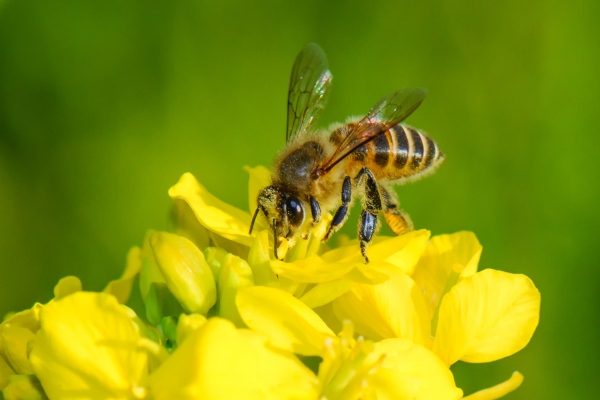
European honey bees
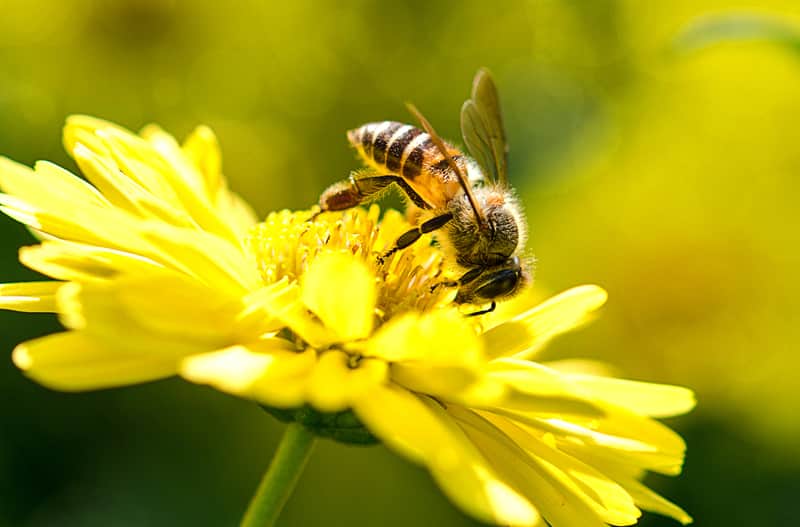
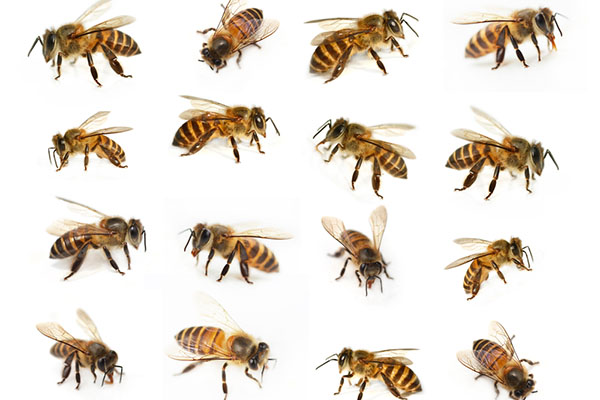
European honey bees are one of the most common types of bees and are known for producing honey. These hardworking pollinators showcase a robust, hairy body with amber and black stripes embodying the quintessential bee look. European honey bees belong to the Apidae family and are found in many parts of the world, including Europe, North America, and Asia.
.jpg?rev=cf6f123d3fd24a0889466548f01c0e92&hash=A0938025CA20160BF5A24A90DE4D68A6)
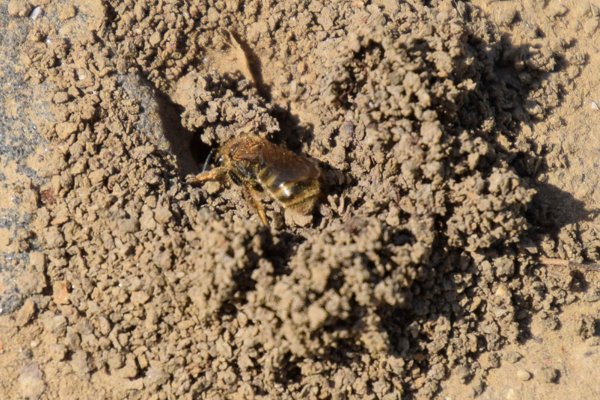
Ground bees
There are several bee species commonly referred to as ground bees, which make their home in the ground. They are a part of the Apidae family and are often solitary bees, meaning that they do not live in colonies. Ground bees have slender bodies with yellow and black stripes and are typically one-half of an inch long, though some may be up to three-fourths of an inch long. They can be found throughout North America, Europe, and Asia.
Japanese honey bees
Japanese honey bees have a slender, elongated body with bands of yellow and brown on their abdomen. These bees are included in the Apidae bee family and are known for their unique defense mechanism against the northern giant hornet, a predator that can decimate honey bee colonies. Japanese honey bees can be found in many parts of the world, including Japan, China, Korea, and Russia.
Worker bees vs. queen bees
One of the most noticeable differences between worker bees and queen bees is their physical appearance. Queen bees are larger in size, with a longer abdomen and a more elongated shape, while worker bees are smaller and have a more rounded shape. Queen bees also have wings that extend beyond the length of their body, while the wings of worker bees are shorter and barely reach the tip of their abdomen.
The roles of queen bees and worker bees within the hive are also different. Queen bees lay eggs continuously, with a single queen laying up to 2,000 eggs daily during the peak season. Worker bees, on the other hand, are responsible for collecting pollen and nectar, feeding the young, and maintaining the hive's cleanliness. Together, these two types of bees work in harmony to keep the hive thriving and healthy.
Bees vs. wasps vs. hornets
Although there are many different types of bees, wasps, and hornets, some common differences can help you identify them. Bees are typically plump and fuzzy, while wasps and hornets are more slender and have a smooth, shiny appearance. Bees are typically less aggressive than wasps and hornets and will only sting if provoked, while wasps and hornets can be more aggressive and may attack unprovoked. If you're not sure what type of insect you're dealing with, it's always best to err on the side of caution and keep your distance.
What to do if you see bees
If you have bees on your property, it is important to identify the type of bees before attempting any removal or control methods. Different types of bees have different behaviors and require different approaches to control them. Also, not all bees cause harm and, for the most part, should be a welcome addition to your yard or garden. However, if a nesting site is located in close proximity to a home near children or those allergic to stings, it’s best to contact a professional bee control service.
Terminix offers specialized bee control services tailored to the specific needs of your property. Our experienced technicians know how to properly identify stinging insects and use safe and effective methods to remove the bees, giving you peace of mind.
1.Bee species amount based on information provided from the U.S. Geological Survey.