Bees
How to know if you have a bee problem
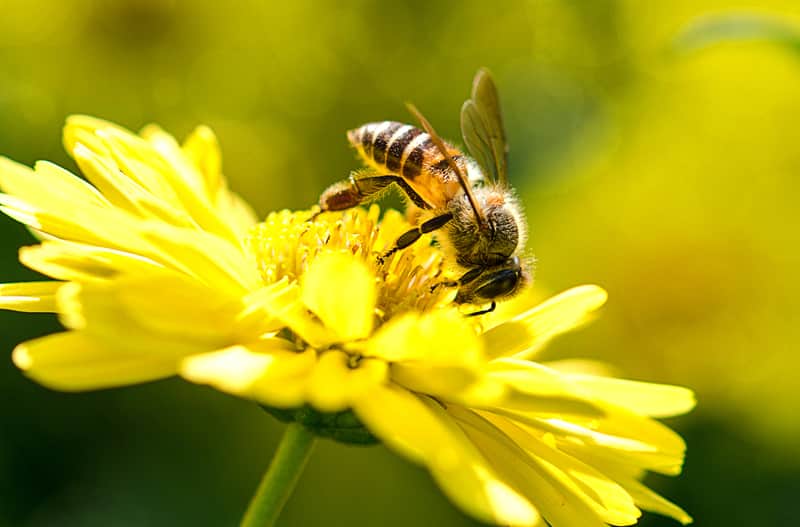
Bees are essential pollinators for ecosystems and agriculture. By transferring pollen between flowers, they support biodiversity and food production. However, in certain situations, bees can become nuisances in human environments.
Bees can be dangerous when they’re near or inside your property, especially if you have a bee infestation. Certain bee species are known to be aggressive, which can pose a threat to humans and pets. Additionally, bees can establish nests or hives within the structure of your home, causing potential damage to walls, roofs, and other structures.
Where do bees like to live?
Bees are found worldwide, from forests and meadows to urban areas. They thrive on every continent except Antarctica. While bees primarily nest in natural settings like trees, hollow logs, or underground, certain species can adapt to urban environments and may build nests in or around homes and buildings. Structures like wall voids or attics may attract bees seeking shelter.
Bees in the walls
Identifying signs of bees in walls is crucial for maintaining a safe living environment. If you have a bee infestation, you may notice:
- If you hear buzzing sounds within your walls, it could indicate the presence of a bee colony or bee infestation.
- You may notice bees regularly entering and exiting a specific area on your property.
- Look for openings or holes in your walls. Bees use small gaps and cracks as entry points for nesting.
- Bee waste and pollen can cause stains or leave a residue on walls and entry points.
A thermal camera or temperature gun can also aid in noting a potential bee problem inside a wall cavity. The movement of the bee’s wings generates a good deal of heat.
Bees nesting in walls can cause structural damage and pose other risks. A professional is usually necessary to address these dangers and remove the bee colony completely.
Signs of bees in the attic
Signs of bees in the attic mirror those found in walls, such as noticeable buzzing, heightened bee activity, visible entry points, and stains or residue near entry areas. Unexplained dark stains or markings on your ceiling can also be signs of bees in the attic. This could be due to a beehive leaking honey in your home.
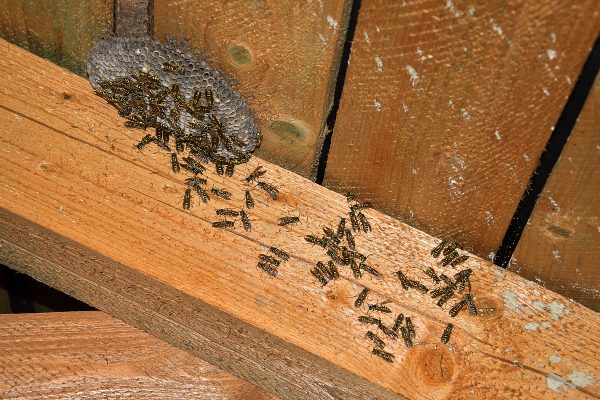
Bees in the attic can pose various dangers. The construction of bee nests can compromise the integrity of your attic over time. Additionally, honey can attract other pests like ants and rodents, amplifying pest problems.
Signs of bees near your home
Detecting signs of bees near your home is crucial for early identification and can help to prevent a bee infestation. An increased number of bees entering and exiting specific locations around your property can help you determine where the bees are. You may also hear the bees buzzing.
Check for visible entry points in structures like walls or roofs, as bees often use these for nesting. Excessive bee visitation to nearby plants may suggest a nearby colony. An unusual concentration of bees around outdoor structures can also indicate nesting.
Bee swarms vs. colonies
Bee swarms may look dangerous, but swarms are a natural colony behavior. Swarms generally occur in the spring and occasionally in the fall. The queen and many worker bees leave the colony for a few hours or days and are out searching for a new home. They do not have any honey, wax, larvae, or pupae with them. With nothing to defend, they typically pose little threat to people.
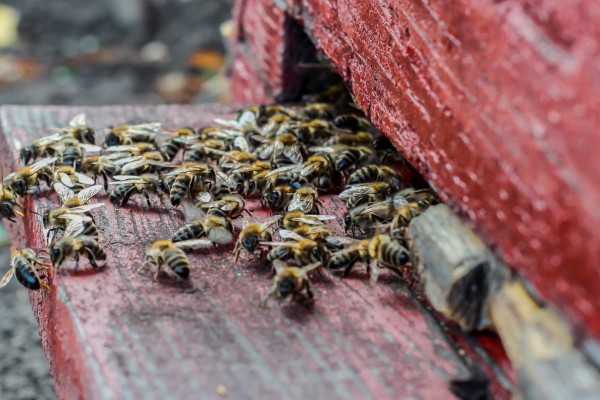
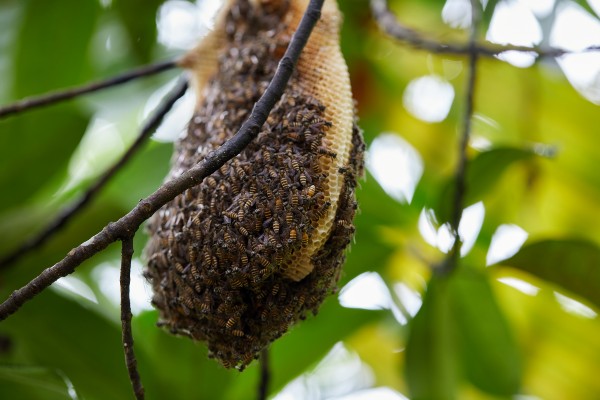
A bee colony is a structured and organized community of bees living together. The colony has the larvae and pupa, honey, and wax. When bees are inside their hive, they will defend themselves and the hive, stinging if they feel threatened. Colonies are more concerning because they can be in locations you don't want, like in the eaves or soffits of your home, inside grills, cracked windows, and other areas.
What to do if you find a bee hive
If you find a hive on your property, taking the appropriate steps for your safety and the bees is essential. Depending on the species present, a professional pest control company or beekeeper can remove the bees. Both professionals can assess the situation and implement proper measures for safe hive removal.
While you wait for professionals to assist with hive removal, there are ways you can safely coexist with the bees. First, do not disturb the hive. This can provoke the bees and result in being stung. It is also recommended to maintain a safe distance from the hive and ensure that children and pets are kept away. Installing screens on windows and doors can help prevent bees from entering your home.
You should also refrain from using strong scents or perfumes outdoors because bees may be attracted to them. When dining outdoors, keep food and drinks covered to minimize attracting bees.
Bee control and treatment
To prevent a bee infestation, you can take steps to minimize hive formation around your home. Sealing gaps, cracks, or openings in and around your home can reduce the chances of bees finding nesting sites. Remove potential nesting materials, like unused lumber or old appliances, from your property.
Keep trash bins securely closed to avoid attracting bees with food odors. Bees can be lured by odors of fermenting fruits and vegetables and bottles of soda or alcohol. Rinsing these containers out prior to disposal will help to reduce bees from being attracted to your home.
DIY hive removal is not recommended due to the risk of being stung, potential aggression from bees, and the likelihood of incomplete removal, leading to recurring issues. This is especially true for honeybee hive removal as any honey left in the wall cavity can be a food source for a variety of pest insect species.
Scheduling regular pest inspections can help identify and address potential nesting sites before they are established. To handle a bee infestation safely, contact Terminix for professional bee removal services. Our experienced technicians can assess the situation, implement effective removal methods, and ensure the well-being of both your property and the bees.