

The life cycle of a bee
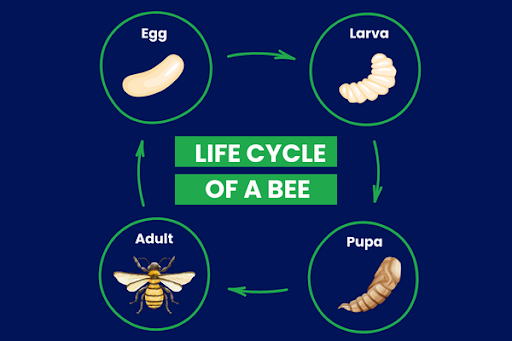
Bees are unique in that they can take on various roles within their hives, such as workers, drones, and queens. The lifespan of a bee can vary depending on its role within the hive and species. Regardless of role or species, each bee will go through the four stages of the bee life cycle: egg, larva, pupa, and adult. Typically, the life cycle of a bee takes approximately 21 days for an egg to develop into an adult bee. However, this may vary by species.
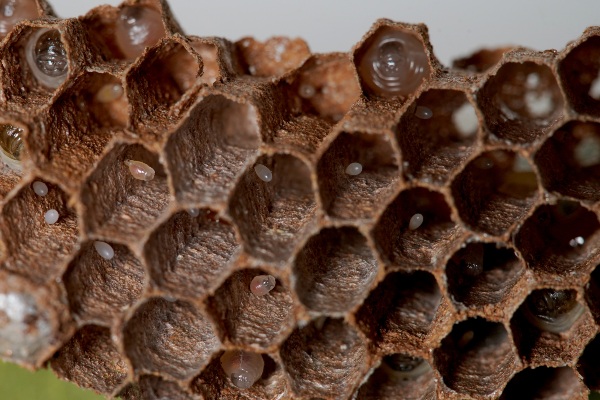
Egg
In the life cycle of a bee, the egg serves as the starting point for developing a new bee. During the egg stage, the queen bee lays a tiny, white, and cylindrical egg in each honeycomb cell. The egg is then attached to the bottom of the cell, where it will grow. The egg stage of the bee life cycle lasts for approximately three days, during which the egg transforms into a larva through several changes.
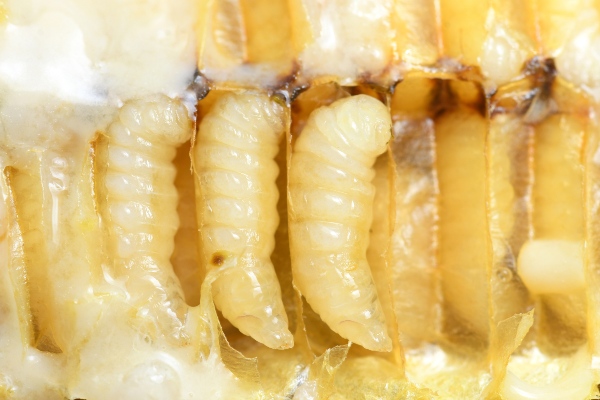
Larva
During the larva stage of the bee life cycle, an egg transforms into a worm-like shape, lacking eyes, wings, legs, or antennae. The larva is fed with a unique substance called royal jelly, produced by the worker bees. As it grows, it sheds its skin several times. This phase lasts for about six days, during which the larva grows significantly in size and weight. At the end of the larva stage, the bee larva spins a cocoon around itself and enters into the pupa stage of the bee life cycle.
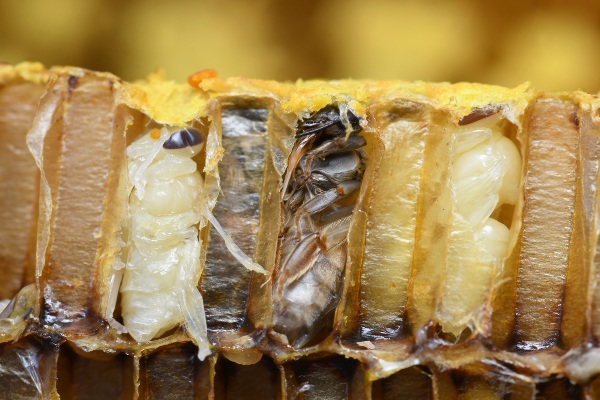
Pupa
While in the pupa stage, the bee undergoes a transformation process. Inside the cocoon spun by the larva, the bee's body develops further and undergoes several changes. The pupa stage lasts about 12 days for worker bees, 14 days for drones, and 16 days for queen bees. During this time, the bee's body shape changes, and it starts to develop its wings, legs, eyes, and antennae. Once the bee has completed the pupa stage, it chews its way through the wax cap of its cell and emerges as an adult bee.
Adult
The final stage of the bee life cycle is the adult stage. During this stage, bees take on different roles depending on what their position is in the hive. For example, the eggs that are laid in larger cells will develop into worker bees, while the eggs that are laid in smaller cells will develop into drones. Worker bees will spend their time collecting nectar and pollen, caring for the young ones, or cleaning and maintaining the hive. On the other hand, the drones have the crucial responsibility of mating with the queen bee. The queen bee's role is to lay eggs and regulate the hive's activities. Overall, the adult stage of the bee life cycle is a period of hard work and significant responsibilities for bees.
Lifespan
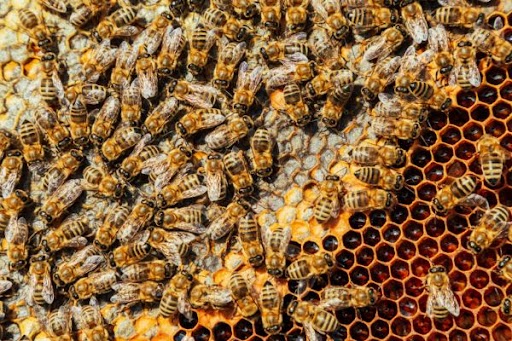
A bee’s lifespan varies depending on its species and role within the hive. In the case of honeybees, worker bees usually live for about six weeks during the active season but can survive for up to six months during winter. Drone honeybees have a shorter lifespan of approximately eight weeks.
Bumblebees, on the other hand, have a more seasonal approach. Worker bumblebees live for a few weeks to a few months, and the colony dies off in winter, leaving only mated queens to establish new colonies in the spring.
How long does a queen bee live?
The queen bee's lifespan can be affected by various factors, including environmental conditions, disease, and stress. Queen bees generally have a much longer lifespan than worker bees or drones. Honeybee queens typically live for two to three years, while bumblebee queens typically live for a few months.