

What are the differences between beehives and nests?
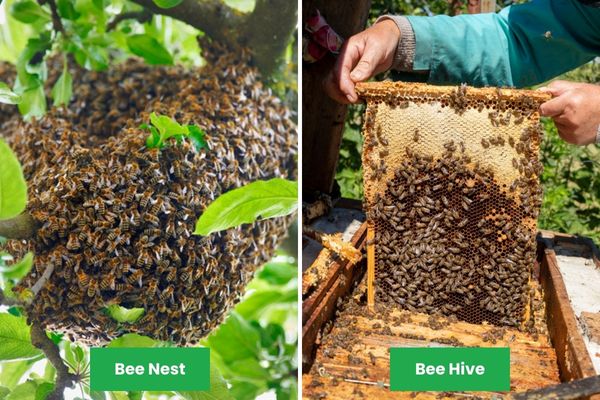
While often used interchangeably, the terms "beehive”’ and "bee nest" are actually different. A beehive specifically refers to a structure created by humans to house a bee colony, commonly used in beekeeping. These hives are designed to manage the bees and harvest honey with minimal disruption to the colony.
On the other hand, a bee nest is a natural home that bees build for themselves. These can be found in a variety of locations, such as in the hollows of trees, underground, or within rocky crevices, depending on the bee species.
Why do bees have nests?
Bee nests are fascinating, complex structures of beeswax Honeycomb that serve as the lifeline of the bee colony – providing shelter, a nursery for their young, and storage for honey and pollen. Pollination is a critical process in our ecosystem, and bees play an important role. As they move from flower to flower collecting nectar, they inadvertently transfer pollen, facilitating the reproduction of plants. This process is not only crucial for the growth of flowers but is also instrumental in the cultivation of many crops that make up the world’s food supply. The humble bee, therefore, is a key player in sustaining our ecosystem.
There are several characteristics that can help you identify a honey bee nest. These nests can greatly vary in appearance, but they often feature the intricate wax combs that honeybees are known for, showcasing hexagonal cells where honey, pollen, and larvae are stored. The entrance of the nest is typically bustling with bee activity as workers come and go in search of food.
Types of bee nests
Although bees offer many benefits, coming face to face with a honey bee nest when you aren’t expecting it can be a frightening experience. Here’s what you need to know about bee nests and how to keep you and your family safe from stings. Here are the types of bee habitats:
Aerial
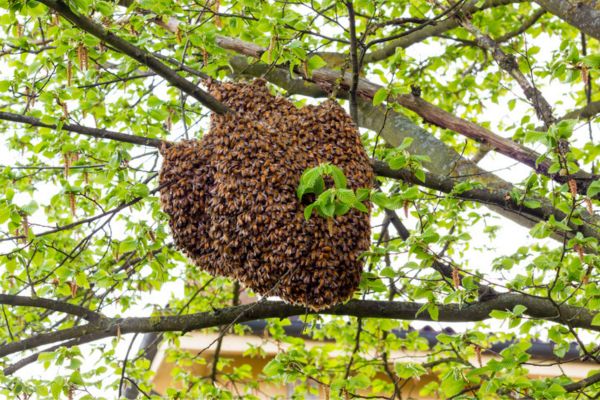
Aerial bee nests are often constructed by species such as honeybees and certain types of wasps. These nests are typically found hanging from branches of trees, eaves of buildings, or other above-ground structures. Unlike their ground-nesting counterparts, aerial nests are more exposed, yet they offer certain advantages, such as protection from ground predators and flooding. These bee nests are meticulously crafted with a waxy substance produced by the bees, forming hexagonal cells that are both lightweight and structurally sound.
Cavity
These bee nests are typically found within naturally occurring or man-made cavities, such as hollows in trees, abandoned rodent burrows, or even within the walls of buildings. Bees that build their homes in these cavities benefit from the added protection against predators and the elements, creating a stable environment for the colony to thrive. Cavity bee nests can be particularly challenging to detect due to their inconspicuous locations.
Ground
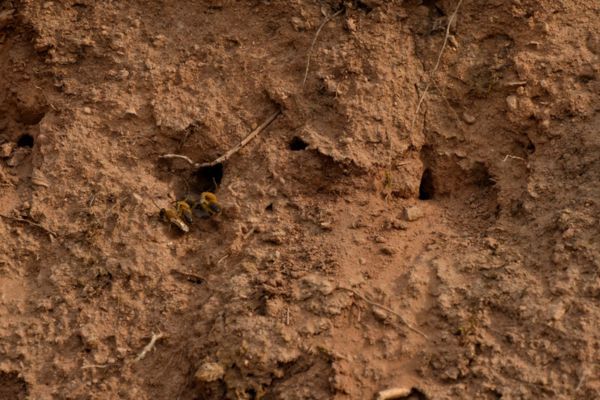
Many bee species, including certain solitary bees and bumblebees, construct their homes underground. These bee nests are often situated in well-drained, sunny spots where the soil is loose and easy to excavate. The entrance to a ground bee nest might be marked by a small mound of earth, similar to an anthill, though many are less conspicuous, making them easily overlooked. Ground nesting provides several advantages for bees, including temperature regulation, moisture control, and protection from predators. The presence of ground bees is generally beneficial to gardens and ecosystems, as these bees play a crucial role in pollination.

Human-made hives
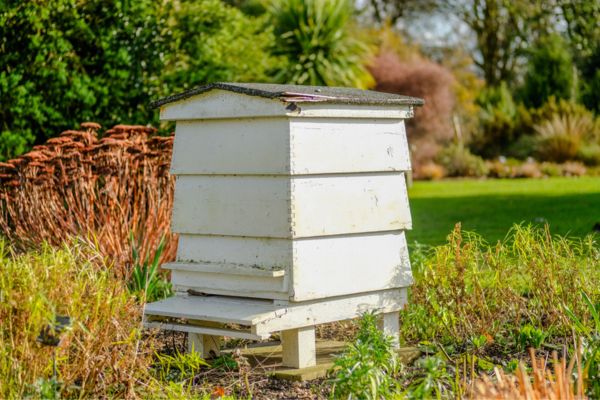
Human-made bee hives are designed with the bees' needs and the beekeeper's in mind. These structures facilitate the management of the bee colony and the harvesting of honey and bee products with minimal disturbance to the bees. Bee hives vary in design, but all aim to mimic the natural conditions bees seek for their nests. Human-made bee hives are typically placed in locations that offer ideal conditions for bee activity and health, such as areas with abundant flowering plants and minimal exposure to harsh weather or predators.
Where are bee nests located?
Honey bees usually steer clear of setting up shop in homes that are already occupied. However, on the rare occasions, they decide to move in, you'll typically find them tucked away in the eaves or soffits, favoring the warmth of the east or southeast exposure. They only need a tiny crack, about 1/8 of an inch, to start building a bee nest, and they don’t stop until they’ve filled up every nook and cranny they can find. Once they run out of space, they might even venture up to the roofline. At first glance, it might not look like they’re doing any harm – but they can leave behind a sweet, sticky mess that can attract other insects and even seep through ceilings or walls.
Bees also tend to nest behind bricks, usually in places where no grout was applied to allow for ventilation, as well as between aluminum or wooden siding and drywall. Bees can also be found nesting inside the four-inch by four-inch spaces in cinder blocks and concrete, and if you have a shed for your lawnmower or pool supplies, bee nests may be settled underneath the floor. In addition, hollow trees are a frequent home for nests.
What should I do if I find a bee nest?
Bee nests that are found away from regular human activity should be left alone. However, should you find a hive in a high-traffic area where the bees will likely be disturbed, do not attempt to remove it yourself. It’s important to maintain a safe distance from a bee nest and call a beekeeper or professional pest specialist to come and remove the bees. These experts have the tools and experience to ensure the safe removal and preservation of the bee colony.