

What do bed bugs feed on?
What do bed bugs eat? These parasitic insects feed on the blood of humans and some animals. They use specialized mouthparts to pierce their host’s skin and inject saliva to prevent pain and keep blood flowing. The bugs draw blood for three to ten minutes before retreating to their hiding spots. For some, their bites can cause red, itchy welts.
Besides their bites, bed bugs can also leave lasting psychological effects due to the stress and anxiety they can cause. The experts at Terminix can help eliminate bed bugs in all life stages and prevent them from returning.
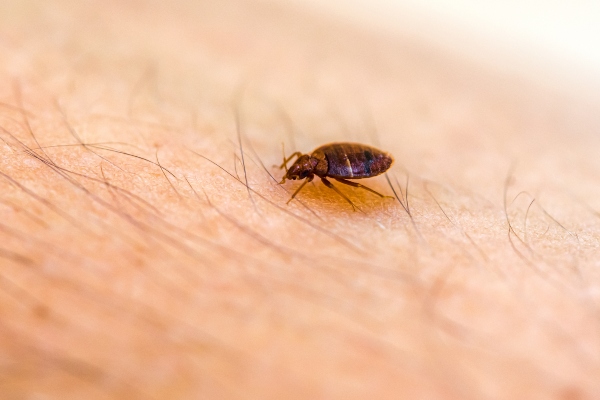
What do bed bugs eat?
Bed bugs primarily feed on the blood of humans and other warm-blooded animals. They obtain blood by biting their hosts. Blood provides the nutrients they need to grow, reproduce, and survive.
What do bed bugs eat other than human blood?
What do bed bugs feed on if humans aren’t available? While human blood is a bed bug’s preferred food source, these pests can also feed on the blood of animals if necessary. This includes:
Pets: Cats, dogs, and other household pets
Birds: Birds, such as chickens and pet birds
Rodents: Mice, rats, and other small mammals
Bed bugs do not feed on food crumbs, dead skin, or other non-blood substances. Their specialized mouthparts are designed solely for piercing skin and extracting blood from living hosts.
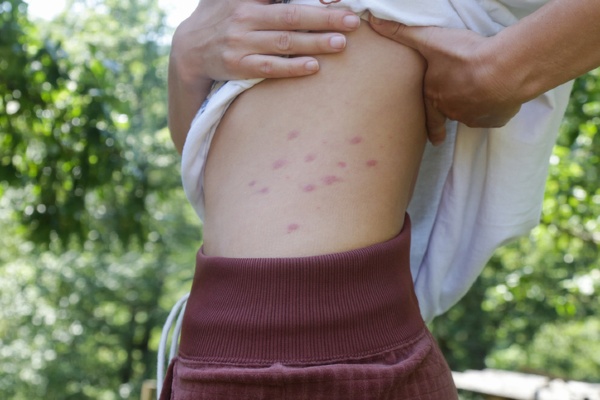
How often do bed bugs need to feed?
Bed bugs are driven to eat by hunger, which makes them seek blood meals to sustain energy, grow, and reproduce. They are attracted to carbon dioxide exhaled by hosts, body heat, and specific chemical signals. Bed bugs do not need to feed every day. If a host is present they will feed on an average of three to seven days.
Bed bugs can survive for several months without feeding. In cooler temperatures, they can enter a state of dormancy and live without a blood meal for up to a year. In warmer conditions, their survival without feeding is typically shorter, around two to three months. Additional factors include the age of the insect, the last time it fed, and the presence (or lack of) a host.
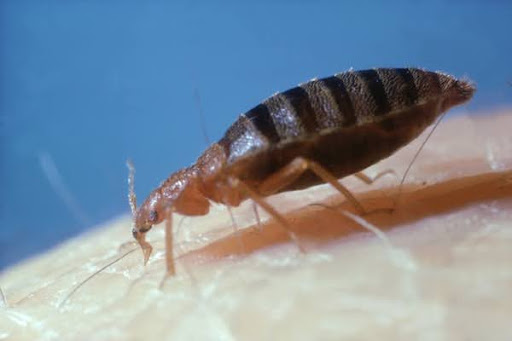
How to help protect yourself from bed bugs
Now that you know what bed bugs eat, you can work on preventing infestations in your home. To help prevent bed bug infestations, you can take several proactive measures:
Inspect secondhand items like used furniture, mattresses, and clothing before purchasing them
Vacuum regularly areas where bed bugs might hide, such as around bed frames, baseboards, and upholstered furniture
Inspect your living space for signs of bed bugs, especially in bedrooms
Be cautious when traveling and inspect hotel rooms for bed bugs before unpacking. Also, inspect your luggage and items when you return home
Wash bed linens, blankets, and pillowcases regularly. Place these items in the dryer before washing them to kill any bed bugs and their eggs
Our annual pest control plan, PestFree365+, is the best protection to prevent bed bugs.* However, if you suspect you have a bed bug infestation, it's best to schedule an inspection with Terminix today so a targeted treatment plan can be implemented.
*Homes must be free of bed bugs at the initial service to qualify for coverage of bed bugs under the PestFree365+ Plan. Applies to single family, free-standing, owner-occupied homes only. Other limitations may apply. See Plan for details.