

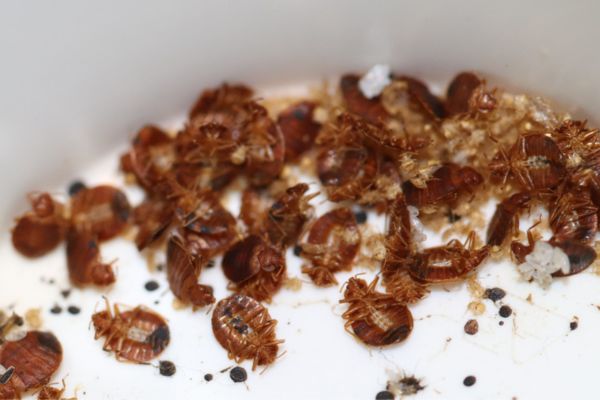
The different types of bed bugs you might see
Bed bugs are tiny, resilient, and elusive pests – and they might just be lurking in the seams of your mattress. But before you pull back your sheets in horror, it's crucial to arm yourself with knowledge about bed bug species. These nocturnal creatures are masters of hide-and-seek, with a preference for the cozy confines of mattresses, box springs, bed frames, and headboards. The cause of a bed bug infestation is not a reflection of personal hygiene or cleanliness. These bugs are equal-opportunity invaders that can hitch a ride on luggage, furniture, clothing, and other items from infested environments. Understanding the types of bed bugs you might encounter is the first step in preventing and controlling these dreaded nighttime invaders.
How many species of bed bugs are there?
There are less than 90 species of the bloodsucking insect family Cimicidae. Of these, only three feed on humans: Cimex lectularius (the common bed bug), Cimex hemipterus (the tropical bed bug), and Leptocimex boueti (the bat bug). These bed bug species can be found in different areas across the globe, but they all share a common feeding preference for blood. Let’s explore the most common different types of bed bugs:
Cimex hemipterus
Cimex hemipterus, commonly referred to as the tropical bed bug, is most prevalent in tropical regions. This includes areas such as Africa, Asia, and South America, where the warm and humid climate favors its proliferation. Physically, the tropical bed bug has a flat, oval-shaped body that becomes swollen and reddish after feeding. This bed bug species is generally found to be more adapted to tropical climates and might show slight physical differences that can be identified by experts, such as variations in the shape of their thorax or the size of their wings.

Leptocimex boueti
Leptocimex boueti is an intriguing species within the realm of bed bugs. Predominantly found in West Africa and South America, this type of bed bug has a unique habitat preference, often residing in both bat and human dwellings. Physically, the bat bug shares some commonalities with other bed bugs, such as a flat, oval body and a lack of wings. However, their use of bats and humans as a food source makes them stand out. This adaptability to different hosts is not commonly observed in other bed bug species.

Cimex lectularius
Cimex lectularius, the most common bed bug, is found worldwide, thriving in both temperate and tropical climates. These pests are particularly prevalent in areas with high population densities or where people sleep, such as homes, hotels, and other accommodations. The physical features of the common bed bug include a small, flat, oval-shaped body that is reddish-brown in color, allowing it to easily hide in cracks and crevices during the day. Adults can grow up to five millimeters in length. This type of bed bug primarily feeds on human blood, although it will feed on other warm-blooded animals if necessary. Their ability to survive up to a year without feeding makes them especially hard to eradicate once they have infested an area.

How to identify bed bugs
When trying to identify bed bugs, it's crucial to examine several key features that distinguish them from other insects. Here's a short checklist to help you identify the different types of bed bugs:
- Size and shape: Adult bed bugs are about the size of an apple seed, roughly five to seven mm in length. When unfed, they have flat, oval-shaped bodies that become more balloon-like and elongated after feeding.
- Color: Before feeding, bed bugs are brown or reddish-brown. After feeding, they can appear more reddish.
- Wings: Bed bugs do not have wings and cannot fly.
- Legs: Like many insects, bed bugs have six legs.
- Antennae: They have two antennae that are well-pronounced.
By keeping an eye out for these features, you can identify whether you're dealing with a type of bed bug or another insect.
Bugs commonly mistaken as bed bugs
Many common insects can be easily mistaken for bed bugs. The swallow bug (Oeciacus vicarius) and bat bug (Cimex adjunctus) can bite humans but prefer birds and bats, respectively. It's important that a trained expert identifies which type of bug you are dealing with as managing mammal, rodent, and insect nesting is vital to locating these pests and the source of the infestation. If you have live poultry on your property, the Mexican chicken bug (Haematosiphon inodora) might also be a concern. Fleas and ticks can also resemble bed bugs and are common in households that have pets.
If you think you’re dealing with bed bugs, it's important to act fast. At Terminix, we have the tools and expertise to help you eliminate these persistent pets from your home. Contact the Terminix bed bug experts today.