

How bed bugs appear red and where to find them
Content updated: February 17th, 2026
Key takeaways
- Bed bugs feed at night while their host (usually humans) are asleep and less likely to notice.
- Bed bugs feed on human blood, so tiny red bugs in your bed or in your bedroom might be bed bugs that just finished a meal.
- Usually bed bugs enter your home by hitching a ride in your luggage, shopping bags and clothing.
- Bed bug treatment involves a combination of sanitation methods, along with the use of both non-chemical and chemical treatment techniques.
Jump to section:
Bed bugs are small insects that are about one-fourth of an inch in length and have oval-shaped, flattened bodies that resemble an apple seed. Bed bugs feed exclusively on the blood of their host animal, ideally a human. An adult bed bug that has not eaten recently is reddish-brown. However, once they consume a meal, their color will be bright red because their body is now filled with blood. If you notice tiny red bugs in your bed in the morning, chances are you have bed bugs.
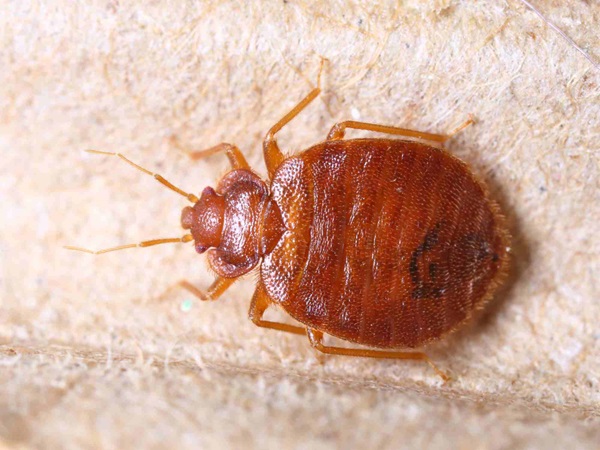
Midnight blood snacks
Bed bugs are nighttime feeders. They lie in wait during the day then come out at night to feed on their unsuspecting host. The bite is not painful, so you may not realize you’ve been bitten. Once bitten, you may notice itchy, red bumps on your skin. Red bed bugs are mostly seen late at night because they have just fed.
Free travel
Bed bugs are usually brought into your home from another location you’ve visited. They can hitch a ride in your luggage, shopping bags and clothing. These unwelcome pests find cracks and crevices near the bed to establish their hideout. They can often be found hiding in the folds of the mattress and in multiple locations within the box spring. One common area to find bed bugs is behind the headboard, where it is attached to or abuts the wall. As the population grows larger, bed bugs will move to areas behind the baseboards, in wall voids and other pieces of upholstered furniture.
Bed bug management
Treatment for bed bugs can be complex and extensive. It typically involves a combination of sanitation methods, along with the use of both non-chemical and chemical treatment techniques. Non-chemical treatments involve the use of steam applications and/or the application of extremely cold air (frost) to infested areas. Chemical treatments should include a variety of pesticide formulations to harborage areas. Due to the specific pesticides required and the type of equipment needed, along with safety concerns, non-chemical and chemical treatments are best applied by a pest management professional.