

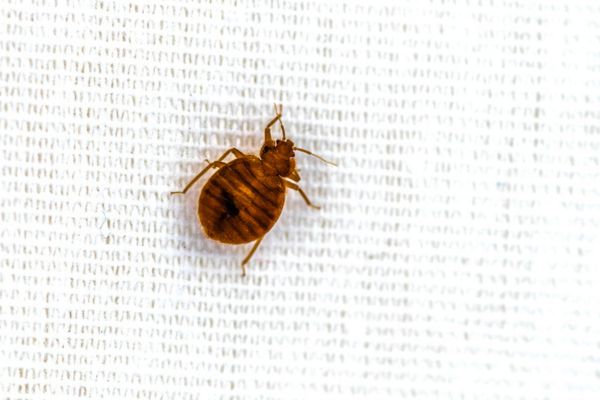
Where do bed bugs hide and how to find them?
Bed bug infestations are a growing concern for many homeowners. These traveling pests can sneak into our homes unnoticed by catching a ride on luggage, furniture, and other items. Once inside, bed bugs live in mattresses, furniture, cracks and crevices, and clothing. During the day, these tiny reddish-brown insects tend to hide close to where people sleep, only to emerge at night to feed. Understanding the behaviors and hiding spots of these elusive pests is crucial in combating their presence. Learn where bed bugs live and where they hide so you can detect and remove these pests from your home.
Where do bed bugs live?
Bed bugs live in a variety of environments, frequently in places with a high turnover of night-time guests. This includes hotels, hostels, dorms, and apartments. These environments provide bed bugs with ample opportunities to feed on human blood and to hitchhike on luggage or personal belongings to new locations. Temperature-wise, bed bugs prefer environments similar to human habitats, thriving best at temperatures between 70 and 90 degrees Fahrenheit. However, they can survive in a range of conditions and are not exclusively found in either hot or cold climates. This adaptability means they can establish themselves in nearly any place where people live and sleep.

Where do bed bugs hide in your home?
Bed bugs are notorious for their ability to hide within our homes, using their flat bodies to squeeze into tight spaces. While many might first think of mattresses as their primary hiding spot, bed bugs hide in various locations beyond just the mattress seams. They find refuge in box springs, bed frames, headboards, and any crevice they can fit into near the bed, seeking proximity to their next blood meal. But their hiding spots are not limited to the bedroom. They can also be found lurking in electronics, in the crevices of furniture, shoes, books, and even within personal belongings. Essentially, any small space within a typical household can serve as a place where bed bugs hide, along with their eggs. When it comes to humans, bed bugs do not live on them; however, they are attracted to us primarily for feeding purposes.

Can bed bugs live in wood furniture?
Yes, bed bugs can live in wood furniture. These pests are not limited to beds alone; they can hide in cracks and crevices of wood furniture, such as dressers, nightstands, and other items, especially those located near a bed. Bed bugs prefer to stay close to their food source, which is human blood, but they can be found in any part of wooden furniture where they can easily hide and remain undetected.
Where do bed bugs hide in public places?
In public areas, bed bugs tend to conceal themselves in locations where people frequently come and go, allowing for easy access to their next unsuspecting host. Some common hiding spots include seats on public transportation (buses, trains, and planes), waiting area furniture, hotel rooms, dressing rooms, and even more crowded places like movie theaters. Essentially, any area that offers a dark, secluded spot close to human activity can potentially harbor bed bugs.

How to check for bed bugs
Worried these pests have hitched a ride home with you? Here’s a quick checklist to find bed bugs:
Inspect your bedding: Carefully check your mattress, box springs, and bed frames.
Examine furniture: Empty the drawers and inspect inside and out, paying close attention to cracks and crevices.
Check sofas and chairs: Don't forget upholstered furniture, including sofas and recliner chairs, especially those used for sleeping. Examine the seams between cushions and the folds of the fabric.
Wall decor and loose wallpaper: Bed bugs can hide behind pictures, posters, and even peeling wallpaper.
Electrical outlets and appliances: While less common, bed bugs can hide in electrical outlets and appliances, especially those near places people sleep. Use caution and ensure safety when checking.
Inspect luggage: Check any luggage or bags used while traveling and thoroughly inspect these items before bringing them inside your home.
Check cracks and crevices: Bed bugs can hide in the tiniest of spaces. Make sure to check the corners of ceilings, baseboards, wall molding, and carpet or rug edges.
What should you do if you find bed bugs?
Finding bed bugs living in your home can be unsettling, but it’s important to take action at the first sign of these pests to prevent the spread of an infestation. Carefully inspecting your belongings, thoroughly washing and heat-treating fabrics, and vacuuming regularly can help combat these pests until you can contact a professional for bed bug control.
If you notice any signs of bed bugs in your home, it's time to call in the Terminix bed bug experts.