

Understanding bed bugs and their behavior
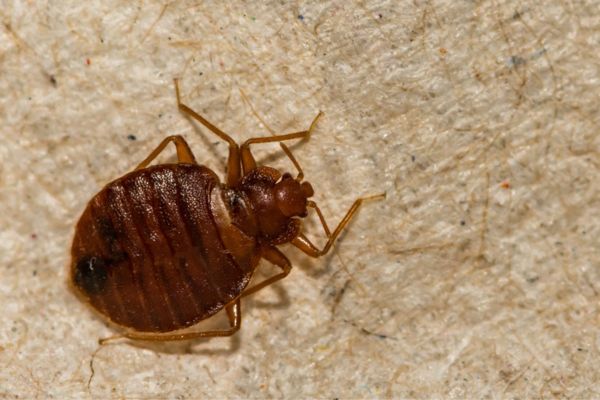
Bed bugs have coexisted with humans for centuries. Known scientifically as Cimex lectularius, these tiny, elusive pests, and generally nocturnal insects feed on human blood. Despite common belief, bed bugs are not a new phenomenon but have been documented throughout history, even before they hitchhiked their way to the United States with early settlers. Their resilience and adaptability have allowed them to thrive in environments where humans do, making them unwelcome companions in our beds and homes. Learn everything you need to know about bed bug behavior and how these age-old pests continue to impact our lives today.
Why do bed bugs act like that?
A bed bug's behavior can be quite intriguing. Primarily nocturnal, they have a strong aversion to light, which is why they are most active during the night. This behavior allows them to avoid detection and feed on their hosts undisturbed. While their general feeding habits are centered around human blood, they do not shy away from feeding on pets if given the opportunity. This adaptability in their feeding habits makes them a persistent problem once they infest a living space.
How long can bed bugs live without food?
Bed bugs are notorious for their resilience and ability to survive for extended periods without food. Typically, these pests can live without feeding for several months, a survival strategy that allows them to remain dormant in uninhabited spaces for long durations, waiting for a host to return. Their ability to remain inactive and their slow metabolism are key factors in their persistence in an environment, even when it seems they've been eradicated.
Do bed bugs hibernate?
Bed bugs do not hibernate in the traditional sense, but they can enter a state of reduced activity during colder periods or when food sources are not present. When exposed to temperatures below freezing, bed bugs can be killed if the conditions are maintained sufficiently. Typically, this would mean keeping them below 0°C (32°F) for at least four days. During colder weather, bed bugs become less active, and their metabolism slows down. This bed bug behavior helps them conserve energy until conditions become more favorable, such as when they find their way into the warmer environments of human habitats.
Do bed bugs jump? Can they fly?
Bed bugs do not jump or fly. Unlike fleas or other insects that can propel themselves into the air, bed bugs must rely on crawling to move around. They are persistent in their quest for a blood meal; however, they are not particularly fast movers. When it comes to traveling, bed bugs are adept hitchhikers. They typically move from place to place by latching onto items such as luggage, furniture, clothing, and other personal belongings. This ability to hitch a ride on various objects is primarily how they spread to new areas, making them a notorious pest in homes, hotels, and other living spaces.
Do bed bugs smell?
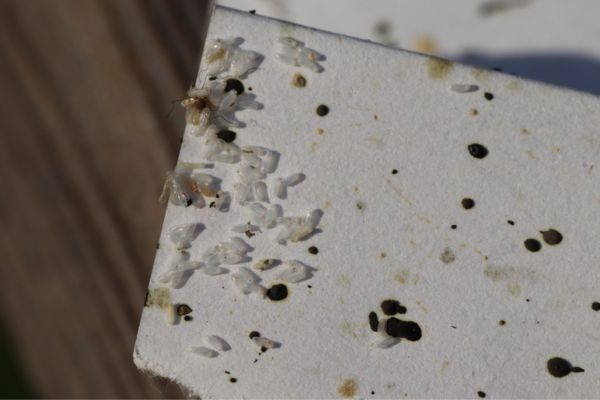
Bed bugs can produce an odor, especially in large infestations. This smell is often described as musty and sweet, similar to berries. The scent comes from the bed bugs' scent glands, which they use as a means of communication among themselves, particularly in relation to mating and alerting others to potential danger. Besides the distinctive smell, other signs of bed bugs include small, reddish-brown spots on bedding or mattresses, shed skin, and the appearance of itchy, red bites on the skin.

Bed bug nests
Bed bugs do not build nests like ants or bees but instead aggregate in harborages close to their human hosts. These hiding spots can include mattresses, box springs, bed frames, and even cracks in walls or floors. The primary purpose of their aggregations is to aid their survival and reproduction. Bed bugs are parasitic insects that feed on the blood of humans and animals, so staying close to their food source is crucial. These areas also provide a safe environment for laying eggs, ensuring the continuation of the bed bug population.
Where do bed bugs live
Bed bugs primarily reside indoors and are not typically found living outside. These pests are adept at hiding and can be found in various places, including homes, hotels, apartments, and dorms. Within these places, mattresses, box springs, bed frames, and headboards are common hiding spots. However, they can also be found in cracks and crevices of walls, furniture, behind wallpapers, and under carpets.
Contrary to popular belief, the cleanliness of the environment does not deter bed bugs. They are attracted to the carbon dioxide humans exhale and the warmth and odor of our bodies, not the cleanliness of our surroundings. This means any environment can be susceptible to bed bug infestations if they provide warmth, access to humans, and places to hide.
Bed bugs: a tricky pest to treat
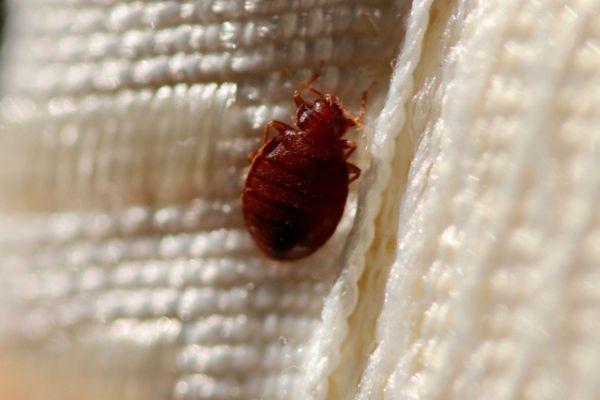
Bed bugs are a particularly challenging pest to control, especially when it comes to DIY removal efforts. Their difficulty stems from several unique bed bug behaviors that set them apart from other household pests. For one, bed bugs are exceptionally good at hiding. They can squeeze into the smallest of cracks and crevices, far beyond the reach of typical over-the-counter treatments. This ability to hide not only helps them evade attempts to eliminate them but also makes it hard to even detect their presence until an infestation has significantly grown. Bed bugs are resilient, and this resilience, combined with their elusive nature, makes them a particularly stubborn pest that requires professional intervention to be fully eradicated.
Think you’re dealing with bed bugs? Schedule a free bed bug inspection with the experts at Terminix.