

Bed bug infestation signs, clean up, and prevention tips
Content Updated: January 27, 2026
Key takeaways
- Bed bugs feed on human blood, hide in hard-to-reach places, and can multiply rapidly, making infestations challenging to eliminate without professional help.
- Signs of a bed bug infestation can include itchy bite marks, blood stains on sheets, dark spots (droppings), shed skins, or live bed bugs.
- Inspect beds, furniture, personal items, and cracks on a regular basis. Catching a problem early can help prevent a full-blown infestation.
- Prevention is key. Examine secondhand items, use mattress encasements, check luggage after travel, and reduce clutter to help prevent bed bug infestations.
Jump to section:
- Is a bed bug infestation a big problem?
- What are the signs of a bed bug infestation?
- How do I check my home for a bed bug infestation?
- What should I do if I find a bed bug infestation, or the start of one?
- How can I prevent a bed bug infestation?
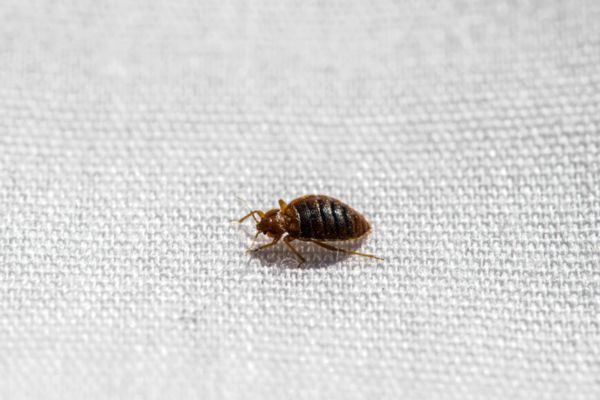
Bed bugs can infest beds, furniture, and personal belongings. These tiny insects feed on human blood and can be one of the most difficult household pests to control. Bed bugs are experts at hiding in hard-to-find places and are resistant to many over-the-counter pesticides.
Without proper treatment, a bed bug infestation can spread rapidly, disrupting your comfort and peace of mind. Terminix offers professional bed bug control services to help locate, eliminate, and prevent bed bugs from returning.
Is a bed bug infestation a big problem?
Yes, a bed bug infestation can quickly become a problem. Bed bugs can reach maturity in as little as 35 days, and females can lay one to two eggs per day, allowing populations to multiply fast and spread easily throughout a home.
Because bed bugs reproduce quickly and are difficult to eliminate with DIY methods, early detection and professional treatment are essential to help prevent bed bug infestations from becoming larger.
What are the signs of a bed bug infestation?
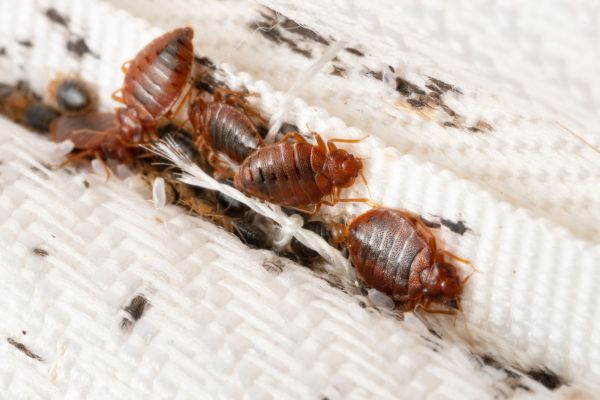
Signs of a bed bug infestation often start small but can become more noticeable as the problem grows. Common signs of a bed bug infestation can include:
- Itchy, red bite marks on the skin
- Small blood stains on sheets or pillowcases
- Tiny dark spots (droppings) on mattresses, box springs, bed frames, or nearby furniture
- Live bed bugs
- Shed bed bug skins in mattress seams, cracks, and crevices
How do I check my home for a bed bug infestation?
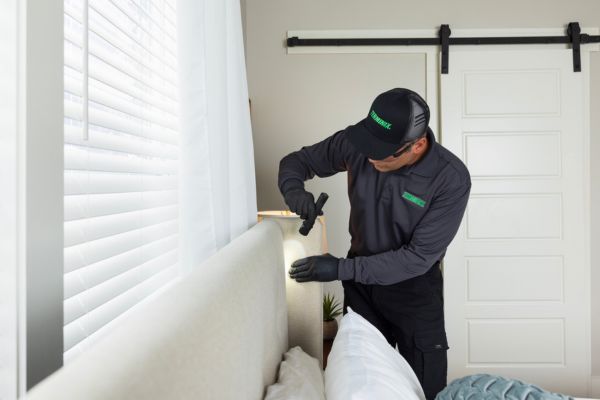
If you suspect bed bugs in your home, knowing where and how to look can help you catch a problem early before it spreads. Using a flashlight for the following steps can help you spot bed bugs more easily.
- Check your bed thoroughly, including the mattress seams, box spring, headboard, and bed frame.
- Look for common signs, such as itchy bite marks, blood stains on sheets, dark spots, shed skins, or live bed bugs.
- Inspect nearby furniture, such as nightstands, couches, and upholstered chairs.
- Examine cracks and crevices along baseboards, wall seams, and behind picture frames or outlets.
- Check personal items, including luggage, backpacks, and clothing, especially after traveling.
If you’re still unsure, our experts can perform a free bed bug inspection to determine if these pests are present. If they are, we can recommend a tailored treatment plan for your home.
What should I do if I find a bed bug infestation, or the start of one?
If you notice signs of a bed bug infestation or suspect the start of one, early action is key to preventing it from spreading throughout your home.
- Isolate infested areas if possible (avoid moving items between rooms).
- Wash and dry bedding, clothing, and linens on the hottest setting to kill bed bugs and eggs.
- Vacuum affected areas thoroughly, including mattresses, furniture, and cracks, and dispose of the vacuum bag outside.
While it may be tempting to buy DIY bed bug treatments, it’s best to contact the experts at Terminix. Over-the-counter sprays or foggers can sometimes help in minor cases, but they typically do not address the root cause of the infestation or reach into cracks and crevices where bed bugs hide.
Our professionals utilize a range of treatments to effectively eliminate bed bugs, which are more effective than DIY methods, including heat treatments and targeted insecticides. If needed, we can also provide follow-up inspections to determine if additional treatments are required.
What kills bed bugs instantly?
There’s no quick fix for eliminating a bed bug infestation, and attempting to handle it yourself can actually make the problem worse. Because bed bugs can be so difficult to remove, professional treatment is the most effective solution. Our experts understand that every bed bug infestation is unique and can determine which treatment(s) are best for your home.
How can I prevent a bed bug infestation?
Preventing bed bugs is easier than dealing with an active infestation. Here are a few tips to help keep these pests out of your home:
- Inspect items before bringing them inside. Examine secondhand furniture, mattresses, and clothing for signs of bed bugs before bringing them into your home.
- Be cautious after travel. Inspect luggage and clothing after trips, and wash and dry items on the highest heat setting.
- Use mattress and box spring encasements. Bed bug mattress covers can make it harder for bed bugs to hide and reproduce.
- Be vigilant. Check beds, furniture, and luggage periodically for signs of an infestation.
Following these steps can help keep bed bugs away and reduce the risk of an infestation, but sometimes, they can still hitch a ride inside your home. If you’re having issues with bed bugs, schedule a free bed bug inspection with Terminix today.