

Bed bugs vs. scabies: What you need to know
Scabies vs bed bugs, how are they different? Both scabies and bed bugs are parasites of humans however they feed in different ways. Though not life-threatening, both require prompt identification and treatment.
A doctor or dermatologist should be consulted about scabies for proper diagnosis and treatment. A pest control professional can help with bed bug infestations. Although both bites can cause itching, these pests have some fairly notable differences you should be aware of.
What are bed bugs?
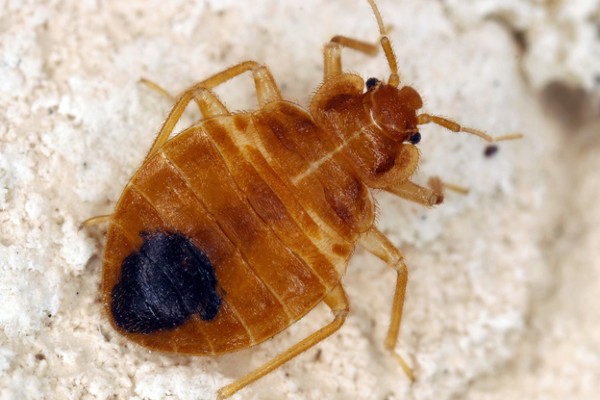
Bed bugs are small insects that feed on the blood of mammals, including humans, dogs, and cats. They often enter homes via luggage, used furniture, clothing, and other items. Bed bugs are about the size of an apple seed and range in color from light brown to reddish-brown.
These pests typically nest in the seams of mattresses, walls, and furniture, preferring dry, dark spaces. Signs of bed bugs can include shed skins (exoskeletons), brown or black stains on sheets, and raised red welts on the skin, especially around the knees, wrists, neck, and chest.
What are scabies mites?
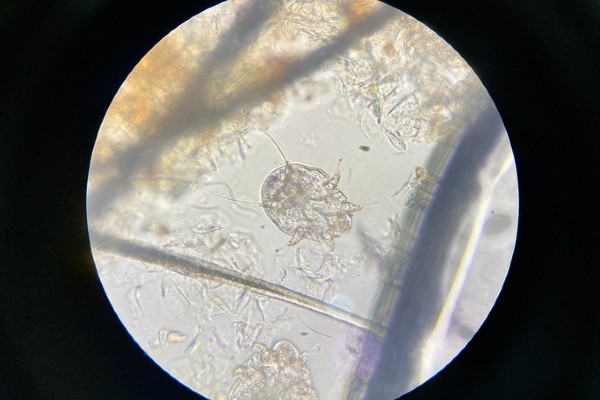
Scabies are microscopic arachnids that burrow into the outer layer of human skin where they will continue to live and reproduce. They are not visible to the naked eye.
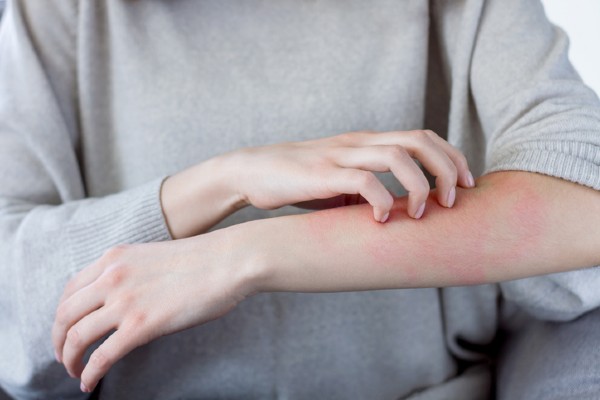
Common signs of scabies include intense itching, visible red rashes, blisters, scaly patches, and open sores from scratching. If you suspect a scabies infestation, it's best to contact a doctor or dermatologist so they can accurately diagnose and treat your symptoms.
What causes bed bugs and scabies infestations?
While scabies or bed bugs can both cause itchy misery, they require different treatment plans. Understanding their differences will better prepare you to handle or prevent infestations.
Bed bugs
Bed bug infestations are not contagious. Infestations are created and spread when these tiny pests hitch rides on luggage, used furniture, and clothing, especially in high-traffic areas such as hotels, dormitories, and public transportation. Bed bug infestations can last until they are treated and eradicated, as they can survive for several months without feeding.
Scabies
Scabies infestations are caused by microscopic mites that burrow into the skin. They typically spread through prolonged skin-to-skin contact with an infected person but can also be transmitted by sharing clothing or bedding.
Scabies are contagious, especially in close-contact environments such as households, childcare centers, and schools. The more severe form, crusted scabies, is highly contagious. Scabies infestations can persist until they are treated. Without treatment, the mites can live on a person for one to two months.
Bed bugs vs. scabies bites
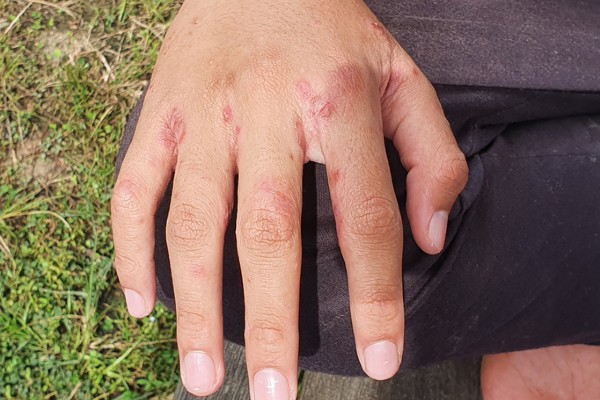
Is itchy skin keeping you up at night? Deciphering scabies vs. bed bug bites can be tricky, but understanding the differences can help. The provided images and information can help you identify bites, but it's recommended that you consult with a medical professional for accurate diagnosis and treatment.
Bed bug bites
Common bed bug bite characteristics include:
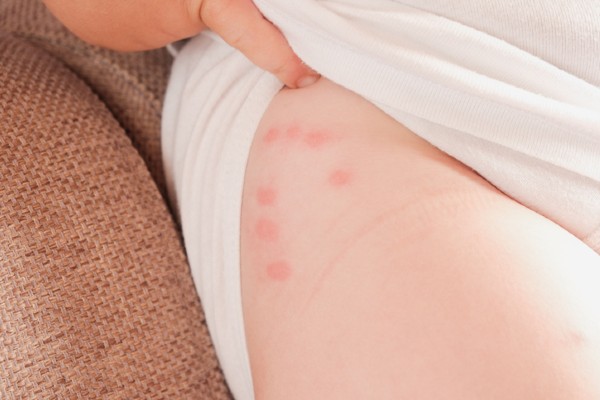
Raised, flat red welts, often in clusters
Mosquito-like bites for some or general swelling
Bites typically occur on exposed skin during sleep
Commonly found on shoulders, arms, legs, back, and face
Reactions will differ among individuals, some will not react at all
Scabies bites
Common bed bug bite characteristics include:
Burrows that look like raised lines
Red, inflamed bumps called papules
Preferred bite locations include between the fingers and toes, in the armpits, under nail beds, around the waist, and other warm, moist folds of skin
Rashes and itching can occur two to six weeks after exposure. For those who have been previously exposed, signs will appear much faster
Bed bugs vs. scabies bite symptoms
Scabies and bed bugs can cause intense itching. However, their symptoms differ significantly. A doctor can diagnose scabies vs. bed bugs.
Bed bug bites can sometimes occur in clusters. Discomfort can arise after feeding, causing intense itchiness like mosquito bites or a slight burning sensation. It may take several hours to a week for an individual to react to bed bug bites.
The irritation caused by scabies may resemble a rash and can occur anywhere on the body. Initially, small, raised bumps are present, but the rash can become scaly, red, and swollen as the infection progresses. The infection site is often very itchy, with symptoms becoming more severe at night.
How to help get rid of bed bugs and scabies infestations
Education and awareness about scabies vs bed bugs are essential for early detection and effective management of infestations. Bed bug and scabies infestations require professional help, but the treatment methods differ.
Though bed bugs are not dangerous, bed bug infestations do require a consultation with a pest control company. Terminix’s expert technicians can help remove bed bugs and develop a targeted treatment plan to help eliminate bed bugs in all life stages. To help prevent infestations, you can:
Inspect second-hand furniture, or any other items, before bringing them into your home
Reduce clutter in your living space to eliminate potential hiding spots for bed bugs
Inspect personal belongings during travel and once you arrive home
If you’re concerned about bed bugs in your home, schedule an inspection with Terminix today.
Scabies infestations require medical treatment from a doctor or dermatologist, and the person may need prescription medications or antibiotics. To help prevent scabies, you can:
Avoid direct skin-to-skin contact with individuals who have scabies to prevent transmission
Regularly launder clothing, bedding, and towels in hot water to kill any potential scabies mites
Refrain from sharing personal items such as clothing and towels to reduce the risk of spreading scabies
Scabies or bed bugs can be challenging to eradicate, but their impact can be minimized with proper treatment and prevention measures.