

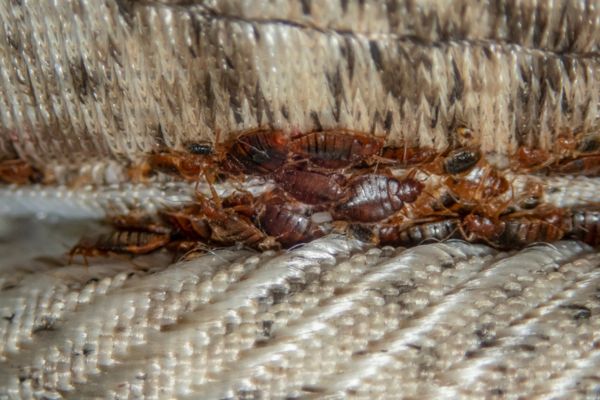
How fast do bed bugs spread? Understanding bed bug movement
Learn how far can bed bugs travel and survive by hiding in plain sight.
Bed bugs have an uncanny ability to spread and multiply with astonishing speed, turning what might seem like a minor nuisance into a full-blown infestation before you know it. Despite popular belief, these pests aren't picky about cleanliness; they thrive anywhere they can access their favorite meal: human blood. This resilience makes them a formidable foe, but just how fast do bed bugs spread, and how far can bed bugs travel?
Bed bugs are surprisingly fast, capable of covering several feet in just minutes to reach their next meal. This speed, combined with their ability to hitch rides on luggage, clothing, and furniture, allows them to travel significant distances, infesting new areas as they go. The distance bed bugs can spread from their initial point of infestation is virtually limitless, thanks to their ability to endure several months to a year without feeding. If you’re waking up to the tell-tale signs of bed bugs, such as itchy red bites or dark rusty spots on mattresses and bedding, you may already be dealing with an infestation. Learn how fast bed bugs multiply and how bed bugs spread so you can help protect your home from these pests.
Jump to section:
- How do bed bugs spread
- Tips to help stop the spread of bed bugs
- What should I do if I find bed bugs in my home?
How do bed bugs spread?
Bed bugs don't have wings, but they spread quickly by hitchhiking and are agile and fast-moving once they're in your home. Typically, you pick up one or more of these unwanted hitchhikers when you visit a home or hotel that already has a bed bug infestation. The bed bugs hide themselves in your clothing, luggage, furniture, and other items, and you inadvertently introduce them to your own house when you return home.
How fast do bed bugs spread? This can depend on several factors. One of those is the availability of hosts to feed, as bed bugs require blood meals to progress through their life stages and reproduce. The environment also plays a significant role; warm conditions like the temperatures in our homes can accelerate their lifecycle, allowing them to grow from egg to adult more swiftly.

How long does it take for bed bugs to spread from room to room?
How fast bed bugs spread from room to room depends partly on how long it takes to move an infested piece of furniture, clothing, luggage, or household item from one room to another. Once inside, they can also move throughout the house in search of other hosts. If the conditions are favorable, they'll continue breeding wherever the infested items are moved. Ultimately, it can take mere minutes to travel from room to room, with bed bug infestations growing in a matter of weeks or months. Bed bugs can multiply at astonishing rates, laying between one and 12 eggs daily and anywhere from 200 to 500 eggs in a lifetime – meaning it doesn't take long for a problem to grow out of control.
Bed bugs traveling from house to house
The rate of how fast bed bugs spread from house to house increases the more time you spend traveling or inviting people to your home. Bed bugs are great hitchhikers, and hotels, hostels, airplanes, cruise ships, and public transportation are ideal places to pick up these uninvited guests. Despite their inability to fly, bed bugs are surprisingly quick on their six legs, capable of covering three to four feet per minute across various surfaces. This makes it easy for bed bugs to travel between floors and rooms and quickly tuck into a new hiding spot before being seen. After feeding, bed bugs return to their hidden locations to digest and mate. If the conditions are right, an egg can mature into an adult in as little as a month and a half, and each bed bug could live anywhere from four months to over a year. Bed bugs are focused on feeding and breeding and will invade and multiply at lightning speed as a result.
How far can bed bugs travel by moving on humans?
Bed bugs need blood meals to survive and breed, but they don't physically live on human hosts. In fact, how bed bugs spread from person to person really has nothing to do with people themselves but rather the movement of infested items. How far can bed bugs travel? Bed bugs can survive for months without feeding, house guests could unknowingly bring them into your home from their travels, and kids could bring them back in their backpacks after school.
Bed bugs are opportunistic, hiding and waiting until it's convenient to feed. If their areas are disturbed, they'll find a way to move to a neighboring location, which can make the situation much more difficult to inspect and treat. Contact a Terminix bed bug control professional to get professional help in stopping the spread of bed bugs in your home.

Tips to help stop the spread of bed bugs
Knowing how bed bugs spread is key to stopping the spread of these pests as they migrate from location to location. Always thoroughly inspect items entering your home, especially second-hand goods or personal items from travel. Look for signs like shed skin, fecal spots, and blood stains. Isolate and treat any infested items before bringing them into your home. Regularly vacuum hiding spots like crevices and furniture seams, and securely dispose of the vacuum bag. Sealing gaps in walls or floors and installing tight-fitting door sweeps can also help prevent bed bugs from moving between rooms.
What should I do if I find bed bugs in my home?
A bed bug infestation needs immediate professional treatment to prevent these resilient pests from spreading throughout your home. Even one missed bed bug can lead to a re-infestation if you are not careful.
At Terminix, we can help provide on-site inspections and assemble a treatment plan tailored to the severity of your bed bug infestation, the layout of your home, and your personal lifestyle needs and preferences. Contact Terminix's bed bug experts today!