

How do you get bed bugs?
Find out what attracts bed bugs into your home and how to deal with them.
Content updated: January, 13, 2026
Key takeaways
- Where do bed bugs come from? They are often found in highly trafficked areas like hotels, dorms, and apartment complexes. Bed bugs quickly reproduce and spread by hitchhiking on clothing, furniture, and luggage.
- What attracts bed bugs? Bed bugs feed on the blood of humans and animals, so they are attracted to warmth and carbon dioxide.
- Early signs of bed bugs include tiny blood stains on your pajamas or bedding, red bites on your skin, and tiny, dark bed bug droppings.
- Prevent bed bugs by regularly vacuuming living spaces and washing bedding, thoroughly inspecting second-hand items, and checking for signs of bed bugs in hotel rooms when traveling.
- If you suspect bed bugs, act quickly by washing all your bedding and clothing in hot water and calling a pest control expert to tackle the infestation.
Jump to section:
- Where do bed bugs come from?
- What attracts bed bugs?
- Early signs of bed bugs
- Steps you can take to help avoid bed bugs
- What should you do if you suspect bed bugs?
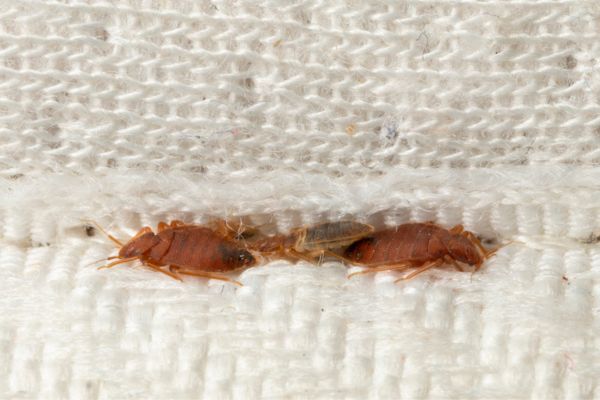
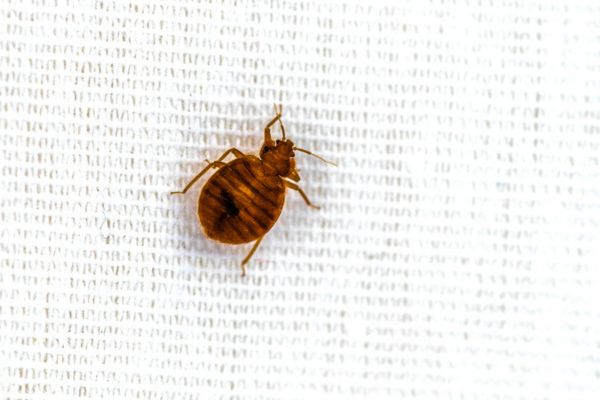
Bed bugs are tiny, elusive pests that can have a big presence in our lives. But what causes bed bugs to end up in our homes? Bed bugs have flat, reddish-brown bodies about the size of an apple seed, so they often go unnoticed. They can also spread from location to location with ease thanks to their ability to hitch a ride on luggage, furniture, and clothing. Learning what attracts bed bugs is the first step in preventing their invasion and ensuring our homes remain free of bed bugs.
Where do bed bugs come from?
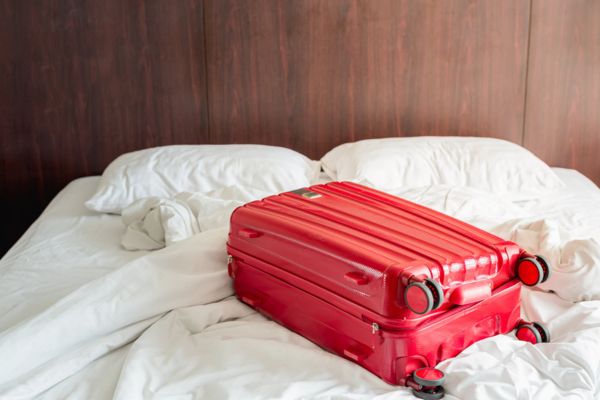
Bed bugs are notorious for their ability to hitch rides from one location to another. These pests are commonly found in highly trafficked areas, such as hotels, dorms, and apartment complexes, due to the increased opportunities to move from one host to another. They can be found in areas such as mattresses, box springs, and bed frames, where they have easy access to people to feed on during the night. Bed bugs travel by latching onto luggage, clothing, and other personal belongings, which allows them to spread to new areas.
What attracts bed bugs?
Bed bugs feed on blood, and they need an easily accessible food source to continue to grow and reproduce. They are not necessarily drawn to dirt or poor hygiene, but to the warmth, carbon dioxide, and blood humans or animals provide. That’s why personal hygiene and the cleanliness of an environment do not deter bed bugs; they are equally likely to inhabit both clean and cluttered spaces.
Wondering what causes a bed bug infestation to spread? They are adept at hiding and reproducing quickly, so populations can grow before you’re even aware of the problem.
Early signs of bed bugs
When it comes to identifying an infestation early, being aware of the signs of bed bugs is crucial. One of the earliest signs is the appearance of small, itchy, red bites on your skin, usually in a line or cluster. These bites are often the first indication of bed bugs and can be easily mistaken for mosquito or flea bites. Another sign to watch for is tiny blood stains on your sheets or pillowcases, which occur when bed bugs are accidentally crushed. You might also notice small, dark spots on your mattress, bedding, or walls, which are bed bug excrement.
Steps you can take to help avoid bed bugs
To help prevent bed bugs, it's essential to adopt several preventive measures. Here are a few steps you can take to help eliminate what causes bed bugs and what attracts bed bugs in your home:
- Regularly vacuum your living spaces and clean clutter to minimize hiding spots for bed bugs.
- When traveling, always inspect hotel rooms for signs of bed bugs, such as small blood spots or live insects, and keep your luggage away from the floor and beds.
- Thoroughly inspect any second-hand furniture before bringing it into your home.
- If you live in a multi-unit building, seal cracks and crevices with caulk to prevent bed bugs from entering or traveling between units.
What should you do if you suspect bed bugs?
No matter how you get bed bugs, if you suspect that you've brought these pests into your home, it's crucial to act quickly to prevent an infestation. Thoroughly inspect your sleeping area, including the mattress, bed frame, and nearby furniture, for any signs of bed bugs, such as small reddish-brown insects, eggs, or dark spots from their droppings. If you find evidence of bed bugs, washing your bedding, curtains, and clothes in hot water and drying them on the highest setting can help eliminate these pests from your belongings.
Unfortunately, bed bugs are persistent pests. While these actions can help prevent an infestation, they will not fully eliminate the problem. If you think you’re dealing with bed bugs, it’s best to contact the Terminix bed bug experts immediately to control the infestation before it gets worse.