

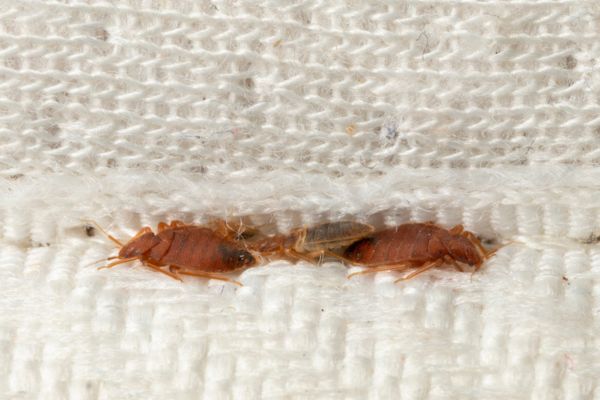
Identifying bed bug droppings
Bed bugs are masters at staying hidden – but they can't hide their bed bug droppings. Bed bug feces are a clear sign of their presence, as these pests can be difficult to spot directly. Identifying bed bug poop is a crucial sign of a bed bug infestation. Knowing what this early sign of bed bugs looks like enables you to take action to quickly address the problem before it spreads. Learn how to identify bed bug droppings and how to get rid of these pests in your home.
What does bed bug poop look like?
Bed bugs can sometimes seem like an invisible threat. They often hide all day, emerging briefly to feed on their host in the dead of night, and then disappear again. Their bites can be difficult to identify, and depending on your sensitivity to them, they may not show up on your skin at all. However, bed bugs do leave behind signs of their presence in the form of bed bug droppings. Being able to identify these is a step in the right direction to recognizing a bed bug infestation.
After bed bugs feed, they'll leave behind bed bug feces of your partially digested blood. These droppings could indicate that you have been bitten in your sleep, though by no means offer definitive proof. Bed bug poop appears as clusters of tiny spots on your bed. The droppings consist of digested blood, so they will no longer be red once they dry. The spots will be darker, rust-colored, or black and are about the size of a dot from a marker. These clusters of bed bug feces may also leave behind a musty, sweet, and rusty smell.
There are other types of droppings that can be mistaken for bed bug poop. For example, droppings from cockroaches or fleas may sometimes resemble those of bed bugs. However, cockroach droppings are typically larger and more cylindrical, while flea poop tends to look like small, dark specks (sometimes described as looking like dirt or pepper) and will turn red when wet due to blood content.

Where should I look for bed bug droppings?
If you think you may have an infestation, it’s crucial to check for the early signs of bed bugs. Start by checking for bed bug poop on the bed–around the corners and on the edges of your mattress. This includes under the sheets and in the creases of the mattress. Bed bug droppings are not exclusive to just the bed. In a heavily infested room, they can appear on the carpet, behind the headboard, along the edges of the wall, and anywhere else bed bugs are known to hide. If you suspect an infestation, be sure to check all these places thoroughly for stains.

What to do if you see bed bug droppings
If you discover bed bug droppings in your home, it's crucial to act swiftly to address the situation before it escalates into a full-blown infestation. Begin by thoroughly inspecting your bedding, mattress, and nearby furniture for further signs of bed bugs, such as live insects, eggs, or shed skins. Though identifying bed bug droppings and other early signs of bed bugs is a good indication you may have a bed bug infestation, it’s not definitive proof. Seeing an actual living bed bug is the only way to be certain, and that can be more difficult and requires the help of a professional bed bug technician.
Contact the Terminix bed bug experts to help diagnose a bed bug infestation and get effective bed bug control. Our annual PestFree365+ plan offers the perfect protection against bed bugs all year long.1
1Service frequency will vary based on geography. Covered Pests defined in your Plan. Automatic payment sign up is required for PestFree365+. Voles and fire ants are only covered if they are in the home, we will not treat the lawn. Homes must be free of bed bugs at the initial service to qualify for coverage of bed bugs under the PestFree365+ Plan. Applies to single family, free-standing, owner-occupied homes only. Account must be in good standing. Other limitations may apply. See Plan for details.