

How do you know if you have bed bugs?
Contributed by: Tim Best
Updated on: June 20, 2024
You may not know you have bed bugs until you face a serious bed bug infestation. Although newly hatched bed bugs are the size of a pin head and translucent before they feed, adult bed bugs that have not fed are very small – approximately the size of an apple seed. Their reddish-brown color allows them to easily blend with furniture.
Understanding how bed bugs spread is key to preventing their unwelcome arrival. They are master hitchhikers, able to move from one place to another by latching onto luggage, furniture, clothing, and other belongings. This makes anywhere with a high turnover of occupants, such as hotels, dormitories, and apartments, particularly vulnerable to bed bug infestations. Being vigilant and recognizing the early signs of bed bugs can help you take prompt action.
What is a bed bug infestation?
Spotting a few bed bugs might not seem alarming initially, but it's important to remember that these pests can reproduce rapidly. With the capability to lay one to seven eggs per day after feeding in optimum conditions, even a single sighting could indicate the beginning of a bed bug infestation.
Bed bugs are also known for their ability to easily travel, hitching rides in luggage, furniture, and even clothing. Consequently, introducing just one pregnant female bed bug into your home can lead to a significant increase in the population, with the potential for at least five bed bugs the following day. Over its lifetime, these pests can lay up to 250 eggs, making it crucial to promptly address any early signs of bed bugs to prevent an infestation from becoming worse.
How to check for bed bugs
If you're trying to spot bed bug signs, start with sleeping or resting areas. Bed bugs can have many hiding places but tend to congregate near where their host (often human or, sometimes, household pet) sleeps. This is typically where the aggregations will form. To spot early signs of bed bugs, here are some areas to check in your bedroom:
- Headboards: Carefully inspect cracks, crevices, and seams around and behind the headboard.
- Beds: Inspect the seams, tufts, and labels on mattresses and box springs. Look in cracks, crevices, and corners of bed frames.
- Bedroom furniture: Inspect cracks and crevices under and behind furniture, such as end tables and dressers. Start with furniture closest to sleeping areas.
- Couches or reclining chairs: Closely examine the seams, folds, tufts, and under cushions of any couches or reclining chairs.
- Ceiling/wall/floor junctions: Inspect the corners and edges of all junctions, particularly on walls around sleeping areas. Also, inspect the baseboard area and carpet edges in these areas.
- Loose wallpaper or paneling: Inspect all edges, seams, and loose areas.
Unfortunately, it can be hard to confirm that you have bed bugs, especially in the early stages of a bed bug infestation.
What are the signs of bed bugs?
Catching a bed bug infestation early is key to successfully treating it. By recognizing the early signs of bed bugs, you can take action before the problem becomes more difficult and expensive to eradicate. By acting on bed bug signs early, you can nip the problem in the bud and help prevent a larger and more disruptive infestation.
Bed bug bites
If you notice flat, red welts in zigzag lines, straight rows, or small clusters after spending time in bed, bed bugs could be the culprits. While these insects don't carry pathogens that spread diseases, a bed bug bite can leave your skin vulnerable to various infections due to scratching some of the itchy welts bed bugs can leave behind. However, remember that bites alone aren't a definitive sign of a bed bug infestation.
Blood stains
Bed bugs are ectoparasites, meaning they live outside their host and feed on its blood. After bed bugs feed on humans, blood stains resembling small rust spots may be found on bedding and clothing. They feed between five to seven days whenever a host is present, so if you see signs of bloodstains on your sheets or pajamas, it may be one of the early signs of bed bugs.
Fecal spots
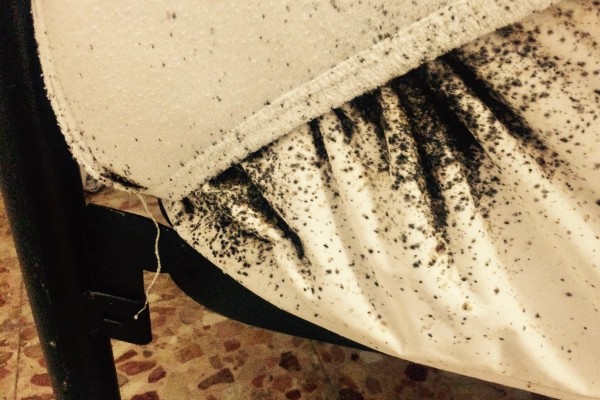
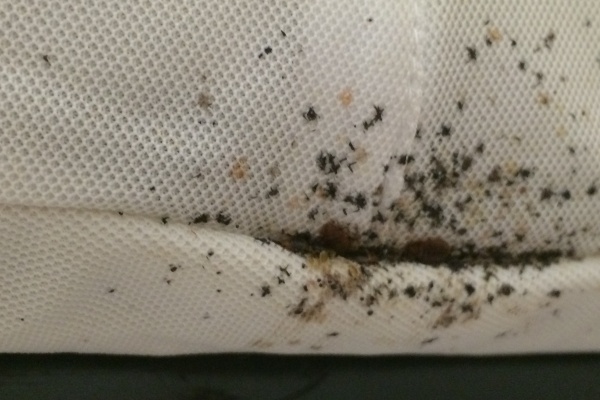
Another sign of bed bugs is liquid waste, which they typically leave wherever they go. Bed bug fecal spots differ from blood stains. Since bed bugs feast on the blood of their hosts, the fecal stains from the insects may be tinged with the color of blood. Fecal spotting tends to resemble a felt-tipped black marker on fabric and raised bumps on solid surfaces that are dark brown or even black because the blood meal has been digested.
Bed bug shells or molted skins
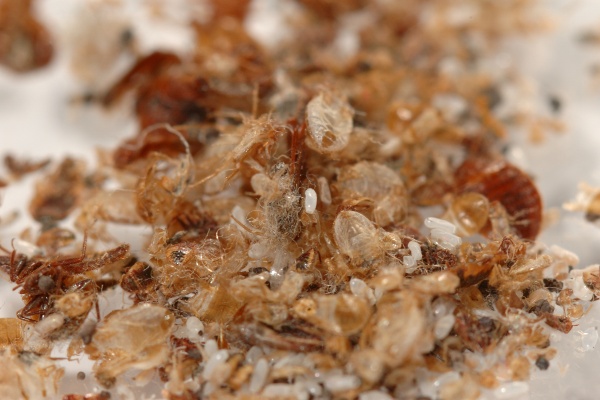
One of the other telltale signs of bed bugs is the presence of tiny molted skins scattered around the infested areas. When bed bug infestations become severe, hundreds or even thousands of tiny molted skins can be found scattered around. Despite looking very similar to the bed bugs themselves, these skins are actually translucent when you examine them closely. Bed bugs undergo five molting stages, requiring a blood meal at each stage to shed their exoskeletons and grow. The size of bed bug exoskeletons may vary depending on the growth stage they were in.
Bed bug eggs
A clear sign of bed bugs can also include spotting bed bug eggs. Female bed bugs can lay up to 500 eggs in their lifetime, up to five daily. These tiny, pearly-white eggs may be found in tight spaces or crevices, typically in clusters. It can take up to two weeks for eggs to hatch, after which the immature bed bugs immediately start feeding.
Unpleasant, musty odor
An unpleasant, musty odor in your home could be another potential sign of bed bugs. This scent is produced by the bed bugs' scent glands and can become more pronounced in larger infestations. Recognizing this odor early on can help identify and address a bed bug problem before it escalates into a full-blown infestation.
Live bed bugs
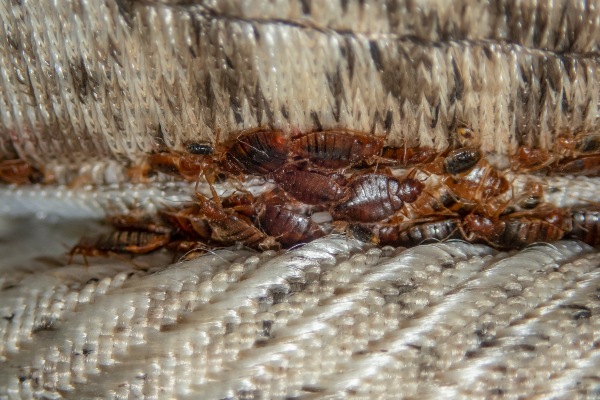
If you see live bed bugs, it is likely a sign of a bed bug infestation. Bed bugs are nocturnal, preferring to emerge from their nighttime hiding spots. This behavior is driven by bed bugs’ attraction to the heat and chemical signatures from humans, as well as carbon dioxide exhaled by humans when asleep, making it easier for them to feed undetected. The sight of live bed bugs, especially during the day, can suggest a large infestation, as it means their hiding places are overcrowded, forcing some to venture out.
What to do if you see signs of bed bugs
If you spot signs of bed bugs in your home, immediate action is crucial to prevent a full-blown bed bug infestation. The first step should involve thoroughly cleaning and vacuuming the area where the bed bug was found, including washing all bedding, curtains, and clothing in hot water and drying them on the highest dryer setting. However, while these initial steps can help mitigate the problem, they are often insufficient to completely eradicate bed bugs due to their ability to hide in hard-to-reach places and lay eggs resistant to many forms of treatment.
Dealing with bed bugs on your own can be ineffective and frustrating, so it's always best to hire professional bed bug control services. At Terminix, our technicians possess the necessary knowledge, experience, and tools to effectively identify and treat all stages of bed bugs, ensuring safety and preventing future infestations.
Notice signs of bed bugs in your home? Contact Terminix bed bug experts!