

DIY and home remedies to help get rid of bed bugs
The itchy welts of a bed bug bite can be a sure sign you've got unwanted guests. While the urge to try do-it-yourself bed bug treatments might be strong, they are unlikely to win this war. Bed bugs are notoriously resilient pests that can hide in the tiniest crevices. A single DIY bed bug treatment is highly unlikely to adequately treat and effectively eliminate active infestations on your property.
However, that doesn't mean there aren't things you can do to keep infestations from getting worse or to keep pests from returning once your pest control professional treats your property. And we're not just talking about reaching for a can of bug spray. DIY bed bug treatments take time and effort, but when implemented correctly, they can help reduce the risk of an infestation in your home.
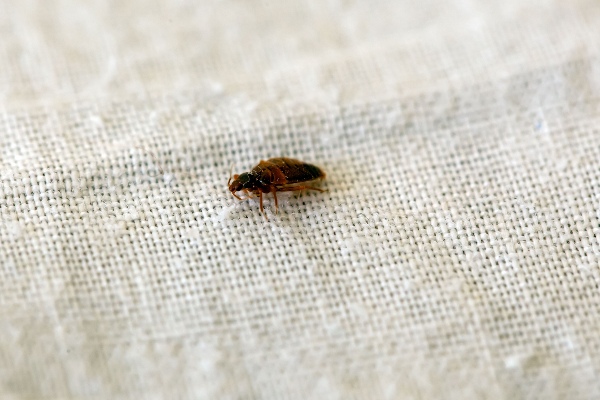
Wash and clean bed bug infected areas
Whether attempting a DIY bed bug treatment or hiring a professional, it’s always important to first handle any washable items that may be infested. Here's how:
Identify infested areas: Look for signs of bed bugs in the cracks and crevices of bedding and furniture.
Gather bedding and clothing: Collect all bedding, linens, curtains, and clothing from the infested areas and seal them in plastic bags to prevent the bugs from spreading.
Dry on high heat and then wash: Dry the collected items on the highest heat setting and then wash them in hot water.
Vacuum thoroughly: Vacuum your mattress, bed frame, furniture, and floors meticulously. Focus on seams, crevices, and any hidden spots where bed bugs could hide. Immediately empty the vacuum bag outside of the residence after.
Heat and freezing bed bug treatments
Extreme temperatures can be an effective way to combat bed bugs. High heat, like that from washing and drying clothes and bedding on the highest settings, can kill bed bugs in fabrics. Freezing items can work, too, but it may not always be effective and can depend on various factors, like the size of the freezer, if the infested item is freezable, and time. While temperature-based bed bug treatments may seem promising when tackling bed bug problems, the execution of heat treatments is best left to experienced professionals to ensure safety and effectiveness.
Natural home bed bug remedies
Facing a bed bug infestation can be overwhelming, and it's common to feel the urge to tackle it yourself with DIY bed bug treatments. On the surface, DIY options like chemical powders, bleach, bombs, or traps might seem like a quick fix. However, these approaches often involve strong chemicals that can be hazardous or require lots of preparation. As a result, many people turn to natural bed bug home remedies, perceived as safer and more environmentally friendly alternatives. However, they are not as effective as professional bed bug control solutions and can often push bed bugs into areas they may not have been found otherwise.
Essential oils
While essential oils like tea tree, lavender, and peppermint are popularly recommended for DIY bed bug treatments due to their strong scents and supposed insect-repellent properties, there is not much scientific evidence to support their effectiveness in eradicating bed bug infestations. Although this bed bug home remedy might work as a temporary deterrent, it is unlikely to resolve an infestation thoroughly.
Diatomaceous earth
Diatomaceous earth is one of the most widely discussed methods for DIY bed bug treatments. Due to its abrasive properties, it absorbs water-protecting fats and oils from the outer layer of a bed bug’s exoskeleton. The hope is that once sprinkled on a mattress or applied to cracks and crevices, bed bugs will come in contact with the powder and ultimately dry out and die from dehydration. However, it is usually used incorrectly by homeowners and is not as effective in the field as in the lab.

Peppermint leaves and oil
When people search for natural bed bug home remedies, peppermint likely comes up as one of the options. Supposedly, its scent keeps bed bugs away, and people are thus encouraged to utilize it throughout their homes. One specific method indicates that the leaves should be crushed and spread throughout infested areas to distribute the oil, and the process should be repeated until all signs of bed bugs are eliminated. Not only is it a time-consuming process, but also a messy one likely to yield minimal results.
Black walnut tea
Black walnut tea is another common DIY bed bug treatment. People may position black walnut tea bags in areas where bed bugs are suspected, hoping the scent or compounds will deter the pests. However, no scientific evidence supports the effectiveness of black walnut tea in treating bed bug infestations. Therefore, more than just relying on this method is needed to manage or eliminate a bed bug problem.
Petroleum jelly
There are allegedly many ways to use petroleum jelly as a bed bug home treatment. A popular method is smearing it across a bed frame, headboard, and down the bed legs. The thought is that pests will get stuck when crawling up the bed searching for a host, but what if bed bugs are already hiding in the mattress? Few things will stand between beg bugs and a blood meal, and petroleum jelly isn’t one of them.
Rubbing alcohol
There’s little evidence that rubbing alcohol is an effective DIY bed bug treatment, but there is plenty of proof that it’s flammable. When misused independently or mixed with other ingredients to increase efficacy, it can quickly become a fire hazard and put your home and family in danger. Although rubbing alcohol may be able to kill bed bugs on contact, it has no residual effect.
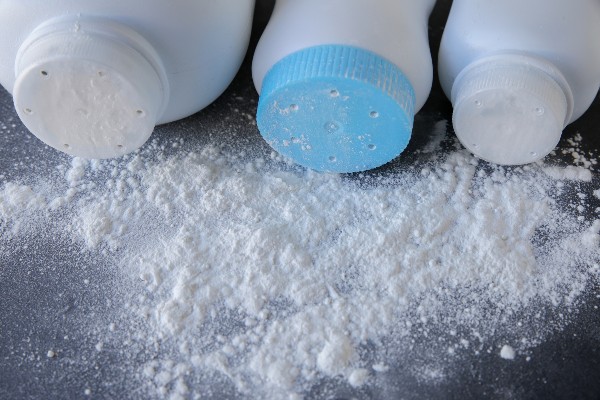
Baby powder
Baby powder is also not very effective as a DIY bed bug treatment. Its properties are simply not strong enough to pierce the outer layer of these pests, and it’s subsequently unlikely to have the same dehydrating results. While it might do a great job masking their musty scent, baby powder is not an effective do-it-yourself bed bug treatment.
Dryer sheets
Some individuals attempt to use dryer sheets as a DIY bed bug treatment, believing that the scent might discourage bed bugs. However, little scientific evidence supports their effectiveness in repelling or eliminating bed bugs. Relying solely on this method is unlikely to fully address an active bed bug problem.
Soap
Washing clothes is commonly believed to be an effective method for killing bed bugs, but often, this approach fails to eliminate them completely. Drying clothes on high heat is often more effective in killing bed bugs. Using traditional soap on the skin or in household cleaning efforts also offers minimal effectiveness in deterring bed bugs.
DIY bed bug prevention
Prevention is crucial in the battle against bed bugs. Here are a few bed bug prevention tips you can follow to help keep your home protected:
Vacuum floors, furniture, and especially mattress seams, edges, and underneath regularly. Empty the vacuum immediately and dispose of the bag in a sealed container outdoors.
Declutter your bedroom to give bed bugs fewer hiding spots.
Before welcoming secondhand furniture into your home, inspect it closely for any signs of bed bugs.
Be conscious when traveling, inspect where you stay and your belongings once you return home.
Invest in mattress and box spring encasements. These tightly woven, zippered covers act as a fortress, and help prevent bed bugs from entering your mattress.
Let the professionals get rid of bed bugs
At Terminix, we understand the frustration and discomfort bed bugs can cause. That's why we offer comprehensive bed bug control services. Our expert team is dedicated to providing solutions that not only address current infestations but can also help prevent future occurrences, ensuring your peace of mind.
Need help with bed bugs? Contact Terminix bed bug experts to get started today!