

Wood ants (Formica)
Published: May 6, 2025
Wood ants are part of the Formica genus, a group of ant species commonly found in forests, fields, and other natural areas across North America. You might also hear them called field ants, especially when they show up closer to home. These ants typically build large, dome-shaped nests using dirt, leaves, and twigs, and while they usually stay outdoors, they can occasionally find their way inside on houseplants.
There are many species that fall under the wood ant category, and while they share some traits, their habits and appearances can vary. One common point of confusion? Carpenter ants. While they also nest in wood, carpenter ants belong to an entirely different group. Unlike wood ants, which build their nests in soil or forest debris, carpenter ants tunnel into wood to make their homes, making them a bit more of a threat to your walls and framing.
Jump to section:
Wood ant identification
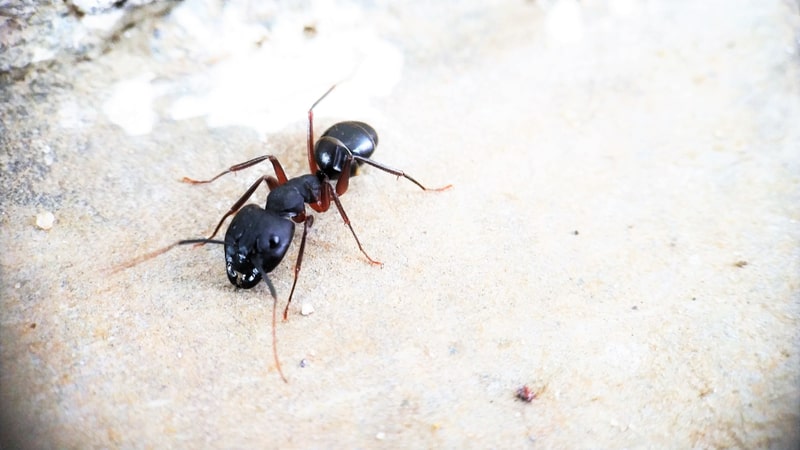
Wood ants can vary in color, ranging from black to red or a mix of both, but they're generally larger than many common household ants, typically measuring four to eight millimeters long. They have segmented bodies with narrow waists, long legs, and elbowed antennae that give them a slightly stretched appearance. During swarming season, some wood ants develop wings, which can make them easy to mistake for termites at first glance.
The term “wood ant” is often used interchangeably with field ants, since both belong to the Formica genus and live in similar outdoor habitats. Whether you're seeing black field ants or red wood ants, identifying different ant species is key to determining how to respond.
Wood ants vs. termites
It's easy to confuse wood ants and termites, especially when you see winged swarms near your home. However, these pests differ in several important ways, from how they look to the kind of damage they cause. Termites have pale, soft bodies and straight antennae, while wood ants are darker with a defined waist and elbowed antennae. If you're unsure which you're dealing with, this quick guide can help—or take a closer look at termite behavior and traits.
Body shape: Wood ants have a narrow waist; termites have a straight, uniform body
Antennae: Ants' antennae are bent; termites' are straight
Wings (if present): Ants have uneven wing pairs; termites' wings are the same length
Color: Wood ants are dark red, black, or both; termites are light or creamy in color
Damage: Wood ants nest near wood but don't eat it; termites feed on wood and can cause structural damage
Wood ant behavior and habitat
Wood ants typically nest outdoors, building large, dome-shaped mounds from soil, pine needles, and other debris. These nests are often found in forests, fields, and sunny clearings, especially near the edges of wooded areas. Colonies can grow into the tens of thousands and are most active during the warmer months when food is abundant and conditions support expansion.
Wood ants feed on a mix of natural foods, including honeydew from aphids (a sugary waste they excrete after feeding), small insects, sap, and fruit. Their social structure is complex, with a queen, workers, and reproductive males and females. Some species are known to take over nests from other ants, a parasitic strategy that allows them to expand territory and resources. You can read more about these behaviors in this overview of ant activity.
Lifecycle and reproduction
Like most ants, wood ants go through a complete metamorphosis: egg, larva, pupa, and adult. Queens can live several years, while workers typically live a few months. Colonies reproduce through swarming, when winged males and females leave to mate and establish new nests. This reproductive cycle tends to ramp up in spring and summer, when conditions are ideal for growth.
Signs of wood ants
While wood ants usually stay outdoors, they may find their way inside if a nest is nearby, especially when foraging for food or moisture. You might notice a steady trail of ants near baseboards, windows, or sinks, or spot winged ants indoors during the spring or summer swarming season. Outside, visible dirt mounds in mulch, at the base of trees, or along the edges of your home may signal a colony. Their activity often increases around kitchens, pet bowls, or damp areas. Understanding what attracts ants can help you identify problems early and reduce the chances of an indoor infestation.
Are wood ants harmful?
Wood ants aren't dangerous to people or pets, but they can bite if provoked and may spray formic acid, which causes mild irritation. Unlike termites or carpenter ants, they don't damage wood, though large outdoor colonies can become a nuisance. Their presence indoors usually means a nearby nest or an attractant like food or water.
How to get rid of wood ants
Getting rid of wood ants can be tricky, especially if a nest is established near your home. Swarming behavior makes them more mobile, allowing colonies to spread quickly, particularly during warmer months when winged ants take off to start new nests. Killing visible ants won't be enough; successful removal requires targeting the source.
If you start noticing wood ants indoors, begin by eliminating what draws them in. Clean up food spills right away, seal pantry items, and address any moisture issues. Wipe down surfaces to disrupt scent trails and take out the trash regularly. If you can locate a nest outdoors, avoid disturbing it directly unless you're using a targeted treatment approach. To help prevent future infestations:
Check your houseplants if they have been outdoors
Repair leaky faucets and pipes
Seal gaps and cracks around windows and doors
Trim vegetation away from the home's foundation
Store firewood and debris away from the house
DIY treatments like baits and sprays may offer temporary relief, but they often fail to reach the heart of the colony. For larger infestations or recurring problems, professional ant control is often the most reliable solution. If you're looking to start with some at-home methods, you can also explore these DIY ant control tips.