Twig ants
(Pseudomyrmex gracilis)
Learn all about twig ants—the fast-moving, sharp-eyed insects that pack a powerful sting.
Updated: June 4, 2025
Twig ants (Pseudomyrmex gracilis) are slender, fast-moving ants commonly found in warm, tropical climates. Also known as elongated twig ants or Mexican twig ants, they get their name from their thin, wasp-like bodies that allow them to easily bend into twigs and branches. These ants are primarily found in the southern United States, particularly in Texas, Florida, and Louisiana, as well as parts of Central and South America. Their color and large, prominent eyes set them apart from other ant species, making them fascinating insects.
Jump to section:
- Twig ant identification
- Twig ant behavior and habitat
- Twig ant life cycle and reproduction
- Signs of twig ants
- How to get rid of twig ants
Twig ant identification
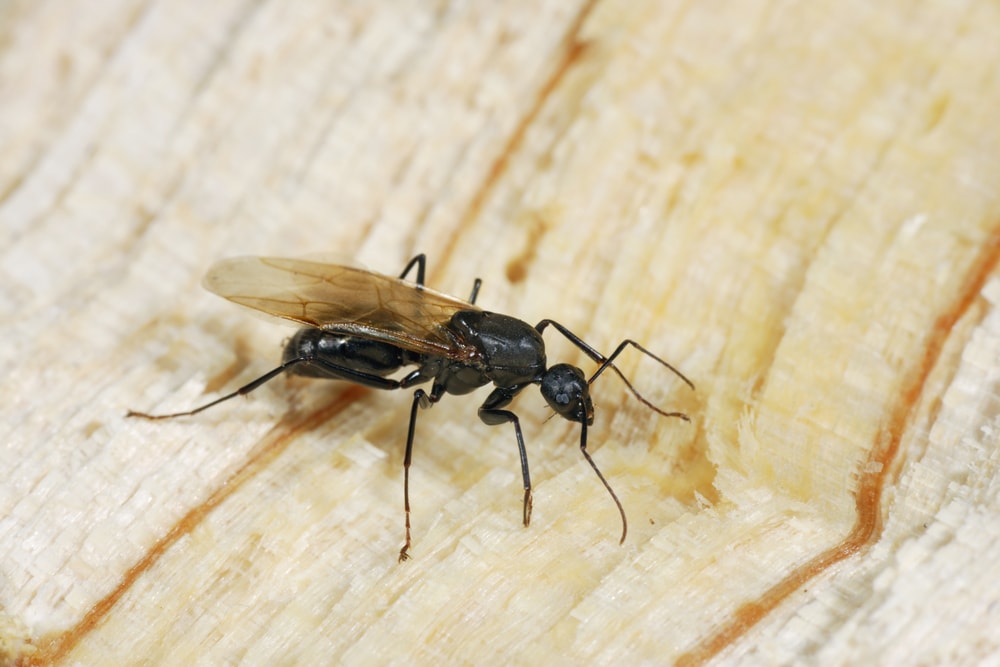
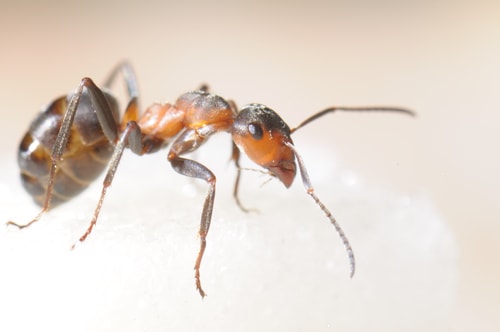
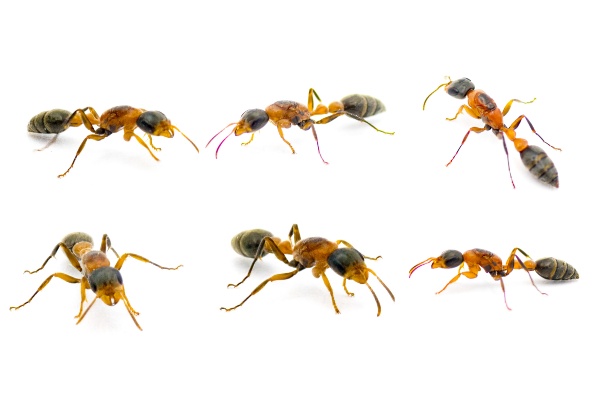
Twig ants have unique physical traits that distinguish them from other ant species. Their elongated bodies, large eyes, and wasp-like appearance make them stand out. Here's how to recognize a long skinny ant like the twig ant:
- Size: They range from 5/16-inch to 2/5-inch (8 to 10 mm) in length, making them larger than many common ants.
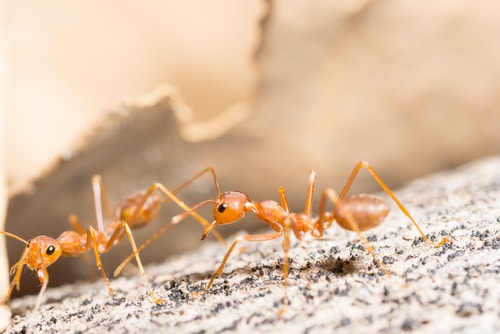
- Color: Their color varies based on their location. They can be dark brownish-black, orange-brown, or a combination of both. In the southern U.S., they are often seen with a black head and abdomen with an orange midsection, a pattern believed to warn predators.
- Body shape: Unlike most ants, slender ants, like twig ants, have elongated bodies and a thin waist, giving them a wasp-like appearance.
- Eyes: They have large, oval-shaped eyes that provide excellent vision, making them more visually aware than many other ant species.
- Wings: Reproductive members of the colony, known as swarmers, develop wings and emerge during mating season, but worker ants remain wingless.
With their distinct body shape and warning colors, twig ants are easy to recognize once you know what to look for. Their striking appearance and quick movements make them a fascinating species to observe, though due to their painful sting, it's best to be cautious around them.
Twig ant behavior and habitat
Twig ants are highly adaptable insects that prefer to live in trees, twigs, and plant cavities. Their ant behavior is unique when compared to other species, as they are not highly aggressive but will deliver a painful sting when disturbed. Here are some other behavioral facts to know about twig ants:
- Preferred habitats: Twig ants thrive in warm, wooded areas where they build nests inside twigs, dead plants, and plant cavities. They are often found in trees and bushes, making them less noticeable until they fall onto picnic tables or crawl onto people walking through thick vegetation.
- Geographic range: Originally from Mexico, twig ants have spread into the southern United States, including Texas, Florida, and Louisiana, though they are not common in these areas. Twig ants are not considered invasive but have successfully established populations throughout the region.
- Diet: The twig ant's diet is mostly made up of live insects, including butterflies, moths, and aphids. Some have also been observed feeding on fungus spores.
- Swarming season: These ants swarm in late summer to early fall when reproductive members leave the nest to mate and establish new colonies.
- Colony structure: Twig ants typically have small nests with a single queen. Their colonies are structured with only one entrance and exit, which is often so narrow that only one to three ants can go through it at a time.
Another behavioral trait that makes twig ants unique is their ability to relocate entire colonies. If their nest has been disturbed several times, twig ants will move to a new location. Instead of leaving pheromone trails for other nest members to follow, adult workers carry aged workers, queens, and males to the new nest site.
Although twig ants are not particularly aggressive, they will sting if disturbed. Their venomous sting is extremely painful and long-lasting, but they only ever sting in self-defense. Unlike some other ants, these slender ants do not rely on biting as a defense mechanism but instead use their sting to ward off threats.
Twig ant life cycle and reproduction
Like most ants, twig ants go through four distinct life stages: egg, larva, pupa, and adult. However, their life cycle is unique due to their small colony size and relocation habits. Their reproduction rate is steady but controlled, so their colonies do not grow as rapidly as more invasive ant species. During swarming season, reproductive members leave the nest to mate and form new colonies, ensuring the species continues to survive.
- Lifespan: Worker ants typically live a few months, while the queen can survive several years, continuously producing new workers to sustain the colony.
- Reproduction rate: Queens lay eggs throughout the year, but reproductive activity peaks during the swarming season.
- Swarming and colony growth: Winged males and females emerge in late summer to early fall to mate and establish new nests. Once they've mated, the new queens find a nesting site and begin laying eggs, gradually expanding the colony.
Although twig ants reproduce steadily, their colony size remains small to limit the number of workers that can be supported within a single colony. Their nest relocation behavior allows them to move quickly if their habitat is disturbed, making them harder to track and eliminate.
Signs of twig ants
Twig ants are typically outdoor insects, but their presence near your home can be a sign of an infestation. While they don't invade homes in large numbers, spotting them frequently could indicate a nearby nest. Elongated twig ants prefer nesting in trees, shrubs, and plant cavities, but they may enter homes if food sources are available or if they accidentally drop onto patios, furniture, or people.
Some signs you may have a twig ant problem include:
- Visible ant trails: Slender ants moving along tree branches, shrubs, or fences.
- Falling ants: These are often noticed when they drop from trees onto different objects like patios, picnic tables, or even people.
- Hardened nests: Typically found inside hollow twigs, plant cavities, or structural gaps in wood.
Elongated twig ants are drawn to warm, humid environments and decaying wood. What attracts ants like these includes plant debris, easy access to small entry points, and nearby insect populations that serve as food sources.
Twig ants typically enter homes through open windows or door gaps or by catching a ride on firewood or potted plants. If they find their way inside, they tend to remain near windows, attics, or wooden structures.
Are twig ants dangerous?
While twig ants are not aggressive, they can sting if they feel threatened. Their sting is known to be quite painful, similar to that of a wasp. Luckily, you can't get an ant bite from the twig ant because they do not bite as a primary defense mechanism.
Although they don't pose a major threat to structures, their ability to sting can be a concern for people and pets. If disturbed, they may crawl onto clothing or skin, leading to unexpected stings. To avoid encounters, it's best to be cautious when moving through dense vegetation or handling firewood where twig ants may be nesting.
How to get rid of twig ants
Twig ants may not be the most aggressive ant species, but their painful sting makes them a pest you'll definitely want to avoid. They can be difficult to get rid of because their nests are often hidden, and they can easily relocate if the need arises. If you notice twig ants around your home, here's what you can do immediately to help protect your home:
- Avoid direct contact: If you find them on you, gently brush them off instead of swatting to avoid being stung.
- Be cautious outdoors: Watch for slender ants while hiking, doing yard work, or having picnics because they often drop from trees or bushes.
- Remove attractants: Clear away decaying wood, leaf litter, and overgrown vegetation where these long skinny ants like to nest.
Preventing twig ants from getting comfortable near your home involves regular maintenance and sealing off potential entry points. Here's what you can do:
- Trim trees and bushes: Since twig ants nest in trees, keeping branches trimmed and away from your home reduces the chance of them crawling inside.
- Seal cracks and gaps: Block potential entry points around windows, doors, and foundation gaps to prevent ants from wandering indoors.
- Store firewood properly: Stack wood away from your house and keep it dry, as twig ants may use it as a nesting site.
When it comes to DIY ant control, sprays, and baits may offer short-term relief, but they often don't reach hidden nests inside twigs and branches. Professional ant control services, like those offered by Terminix, provide targeted treatments to locate and eliminate colonies while offering long-term prevention solutions.
If you have an ant problem or want to stop one before it starts, a Terminix pest control expert can help. Taking the right steps now can save you from unexpected stings and keep your home and outdoor spaces protected.