
Texas Leaf Cutter Ant
(Atta Texana)
Updated: May 21, 2025
The Texas leaf cutter ant (Atta texana), also known as the town ant or cut ant, is a fungus-farming insect found in the southern U.S. Instead of eating leaves, these ants cut and carry them back to their nests to make fungus, their main food source. As one of the few species of fungus-growing ants, their colonies function like underground farms, with workers harvesting leaves to sustain their fungal gardens.
Texas leaf cutter ant identification

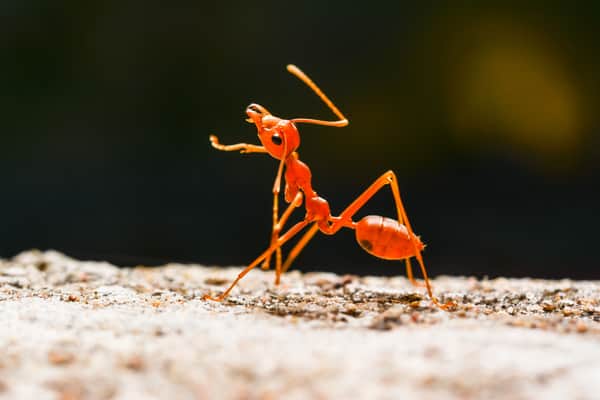
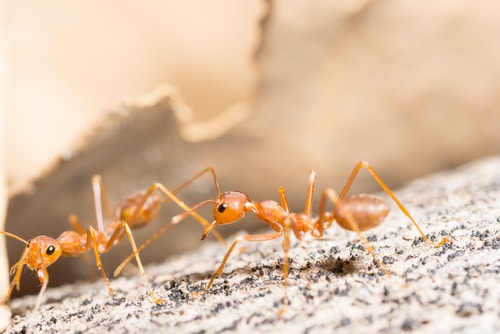
The Texas leaf cutter ant is easily recognizable due to its large colonies and specialized worker castes. These ants vary in size depending on their role in the colony, and their reddish-brown color helps them blend into their surroundings.
- Size: A leaf cutter ant colony contains workers of various sizes, ranging from one-eighth of an inch to five-eighths of an inch in length. Larger workers, known as soldiers, help defend the colony, while smaller workers focus on cutting leaves and tending to the fungus garden.
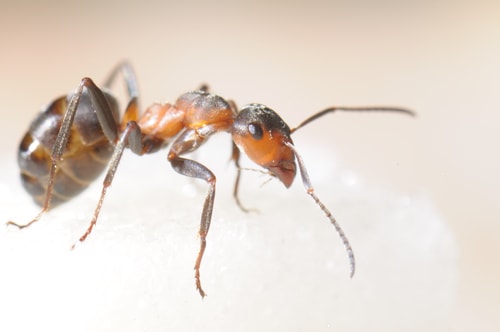
- Color: These ants are reddish-brown, which allows them to blend into soil and wooded environments.
- Body shape: Texas leaf cutter ants have a segmented body with a distinct, spiny thorax and long legs, giving them a more elongated appearance than other types of ants.
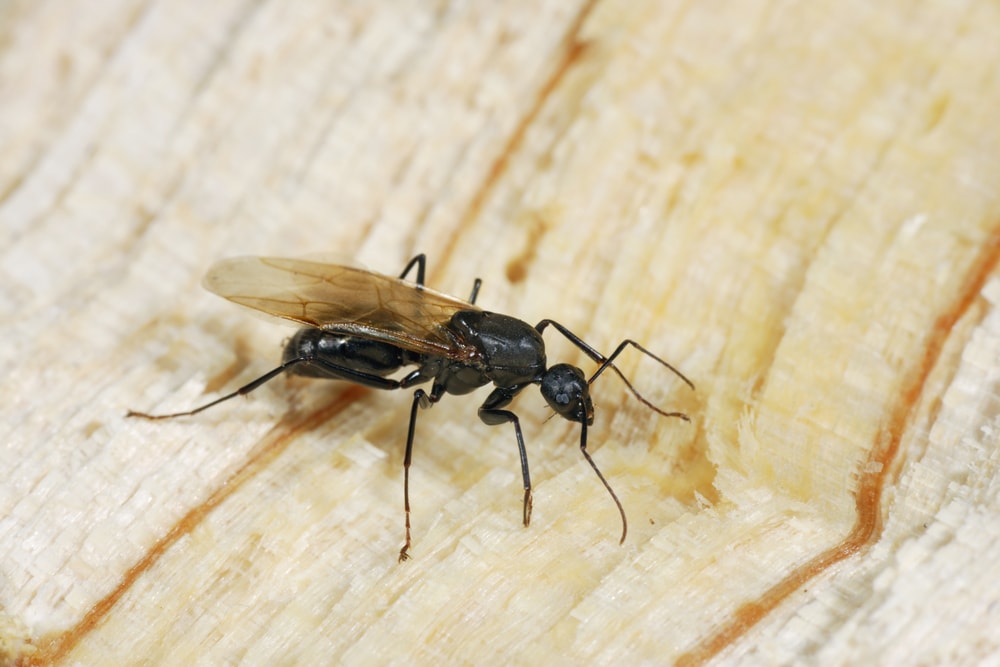
- Wings: Reproductive members of the colony, called swarmers, develop wings and take flight at night during mating season. However, worker ants are wingless and remain in the colony.
With their large size range, distinct colors, and structured colony roles, Texas leaf cutter ants are easy to spot—especially when they’re carrying freshly cut leaves back to their nest.
Another species of leaf cutting ant found in Texas, Acromyrmex versicolor, may be found in the far west, drier parts of the state. Acromyrmex is a true desert ant and can be distinguished from the Texas leaf cutting ant by having more than three pairs of (short) spines on the thorax and by the bumpy upper surface of the abdomen (gaster).
Texas leaf cutter ant behavior and habitat
The Texas leaf cutter ant is a highly organized, fungus-farming species that relies on fresh foliage to sustain its underground colonies. These ants don’t eat the leaves they collect. Instead, they use them to cultivate a specialized fungus, which serves as the colony’s primary food source. Here are some other behavioral facts to know about leaf cutter ants:
- Preferred habitats: Texas leaf cutter ants thrive in warm, humid climates with sandy or well-drained soil. They are most commonly found in fields, wooded areas, and agricultural landscapes.
- Nest construction: Their underground nests can be massive, sometimes covering 1,000 square feet and extending 15 feet deep. The leaf cutter ant nests are recognizable by their crater-shaped mounds surrounding multiple entrance holes. If undisturbed, colonies can grow to house more than a million ants.
- Geographic range: These ants are primarily found in East Texas, extending South to the lower Rio Grande Valley. In Louisiana, they are mainly found West of the Mississippi River, predominantly in the central part of the state.
- Diet: Unlike other ant species’ diets, the Texas leaf cutter relies entirely on fungus farming. Workers forage at night, cutting circular pieces from leaves and transporting them back to the colony. The leaves are then processed and used as fertilizer to grow their fungal food source.
- Swarming season: Texas leaf cutter ants swarm in late spring to early summer when reproductive ants take flight to mate and establish new colonies.
- Colony structure: These ants live in highly structured societies, with different worker castes assigned to tasks such as foraging, defending the leaf cutter ant nest, and tending to the fungus gardens. Queens are the sole egg layers, while workers maintain the colony’s food supply.
While not considered invasive in the U.S., their ability to defoliate trees and shrubs overnight makes them a serious agricultural pest. Their foraging trails can stretch hundreds of feet, meaning they may strip vegetation from multiple properties in a short period.
Texas leaf cutter ant life cycle and reproduction
The Texas leaf cutter ant follows a structured life cycle that supports its massive underground colonies. Like most ants, they go through four developmental stages: egg, larva, pupa, and adult. However, their ability to reproduce quickly and sustain large populations makes them a persistent presence in areas where they nest.
- Lifespan: Worker ants typically live for several months, while queens can survive for up to 10 years, continuously laying eggs to expand the colony.
- Reproduction rate: A Texas leaf cutter ant queen lays thousands of eggs throughout her lifetime, producing a steady stream of new workers to maintain the nest.
- Swarming and colony growth: These ants swarm in late spring to early summer when reproductive males and females leave the colony to mate. Once mated, new queens search for a nesting site to establish their own fungus-growing colony.
Due to their rapid reproduction and the queen’s longevity, these colonies grow exponentially and can house more than a million ants if left undisturbed. Their ability to expand quickly makes them one of the most challenging ant species to manage.
Signs of Texas leaf cutter ants
The presence of Texas leaf cutter ants is hard to miss, especially if they have started stripping vegetation from your property. These ants create extensive underground colonies and can cause serious damage to plants and trees in a very short period of time.
Some signs you may be dealing with a leaf cutter ant problem include:
- Defoliated plants: Affected trees, shrubs, or crops may have circular cutouts in their leaves or be completely stripped overnight.
- Long foraging trails: These ants create well-defined trails leading from their leaf cutter ant nest to their food source, sometimes extending several hundred feet.
- Crater-like nest openings: Their underground nests have distinct crater-shaped mounds, often surrounded by multiple entrance holes.
- Large numbers of worker ants: You may see reddish-brown leaf cutter ants actively carrying leaf fragments back to their colony.
Ants can be attracted to different things. Texas leaf cutter ants are particularly drawn to plants, especially fruit trees, ornamental shrubs, and crops. They prefer wooded areas, fields, and farmland but can also be found in residential yards with dense vegetation. While they don’t seek out food inside homes, their massive colonies and foraging trails can extend into residential areas, including patios, gardens, and yards. They may also enter through cracks, windows, or open doors when searching for new nesting sites.
Are Texas leaf cutter ants dangerous?
While Texas leaf cutter ants don’t bite, they can sting if provoked. Their sting is painful but not venomous, and they do not pose a major threat to humans or pets.
These ants do not damage homes or structures, as they do not tunnel through wood like carpenter ants. However, they can devastate gardens, stripping trees, shrubs, and crops of their leaves. Large infestations can destroy entire sections of vegetation, making them a big enough problem for homeowners and farmers alike.
How to get rid of Texas leaf cutter ants
Controlling Texas leaf cutter ants can be challenging due to their large underground nests and wide-ranging foraging trails. Since these ants don’t eat the leaves they collect, traditional baiting methods are often ineffective. Their colonies can also extend several feet underground, making it difficult to eliminate them completely without professional intervention.
If you notice these ants around your home, here’s what you can do immediately to help protect your home:
- Remove food sources: Trim plants and shrubs to limit their food supply.
- Disrupt foraging trails: Regularly disturb their trails to prevent them from returning to the same food source.
- Monitor nest activity: Look for crater-shaped nest openings and track where they are foraging to determine the extent of the infestation.
Preventing Texas leaf cutter ants requires regular maintenance and sealing off potential entry points. Here’s what you can do:
- Reduce vegetation near your home: Keep trees, shrubs, and gardens well-maintained to minimize their food supply.
- Seal entry points: Block cracks and openings near windows and foundations to prevent foragers from wandering indoors.
- Apply natural deterrents: Some homeowners use citrus-based sprays or diatomaceous earth around affected plants to discourage ants.
While DIY ant control methods like natural repellents and targeted insecticides may offer short-term relief, they often fail to eliminate the entire colony. Terminix offers expert treatments tailored to several common ant species, helping to eliminate colonies and prevent future infestations.