
Sugar ants (Camponotus consobrinus and other small ants)
These tiny, sweet-seeking ants are common in U.S. homes—and they’re tougher than they look.
When most people in the United States talk about "sugar ants," they’re usually referring to tiny, sweet-loving ants that invade kitchens and pantries. But interestingly, the term sugar ant actually refers to a specific species native to Australia: Camponotus consobrinus. In the U.S., it’s more of a nickname for various small ants that are attracted to sugary foods, including odorous house ants, Argentine ants, pharaoh ants, and acrobat ants.
Regardless of their species, sugar ants in the house can be frustrating. These tiny invaders are skilled at sniffing out sweets and setting up shop in your walls, floors, or kitchen counters. Let’s take a closer look at what sugar ants are, how to identify them, what attracts them to your home, and most importantly, how to help get rid of them.
Jump to section:
Sugar ant identification
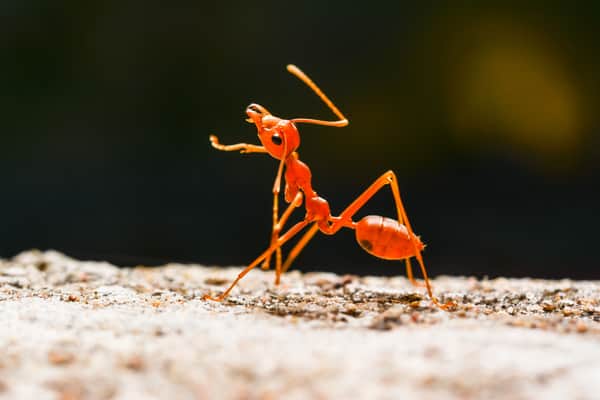
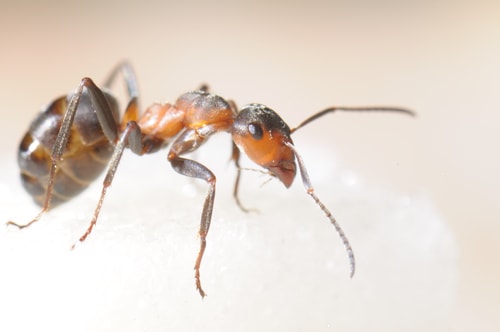
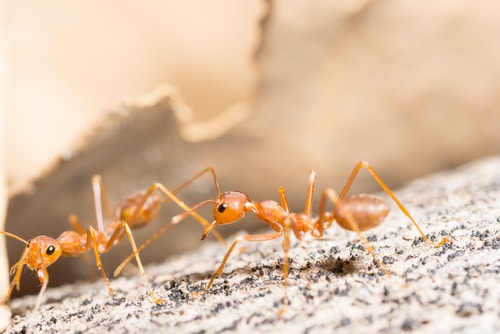
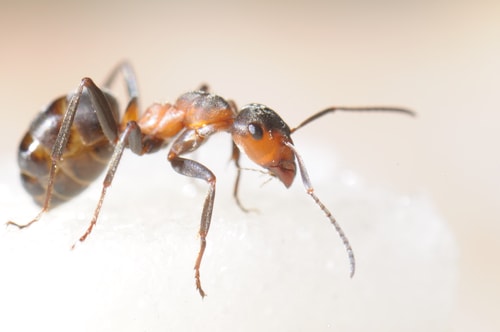
In the United States, “sugar ant” is a catch-all term that refers to a few different species of small ants commonly found indoors. These ants vary slightly in appearance depending on the species, but they share similar behaviors, especially a strong attraction to sugary foods. Most sugar ants range in size from about 1/16 to 1/8 of an inch long and are typically brown, black, or reddish in color. Their small size makes them difficult to spot at first, and their tendency to travel in trails often means you won’t notice them until they’ve already found something sweet in your kitchen.
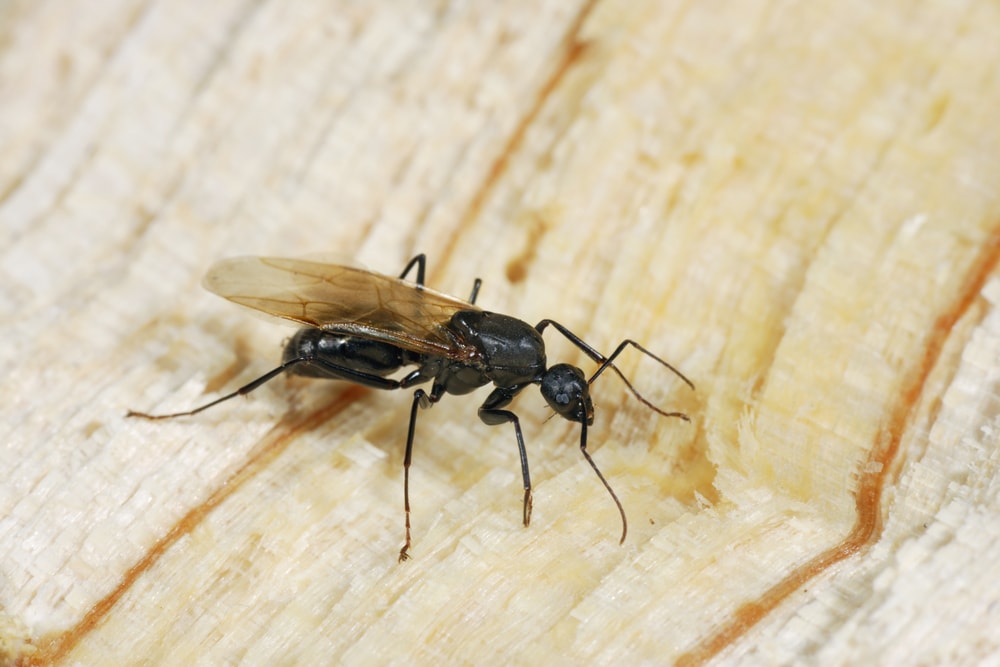
Some sugar ants may have wings, especially during mating season when reproductive ants, or “swarmers,” leave the nest to establish new colonies. Most, however, are wingless worker ants that are on the hunt for food. They’re often seen marching along baseboards, countertops, or near windows and sinks in search of sugary spills or crumbs.
Because the term “sugar ant” is informal, it can refer to several different species that are common in homes across the country. These include:
- Pharaoh ants: Tiny, pale yellow ants known for nesting indoors in hidden places like wall voids or behind appliances.
- Argentine ants: Dark brown to black ants that form large colonies and often move quickly in long trails.
- Acrobat ants: Named for the way they raise their abdomens above their heads when disturbed, these ants can be light brown to black in color.
- Odorous house ants: Often mistaken for sugar ants, these small brown or black ants emit a foul, rotten coconut smell when crushed.
Each of these species has slightly different nesting habits and preferences, but all are attracted to sweet foods and can become a nuisance once they establish a foothold in your home—just like most types of ants.
Are sugar ants dangerous?
Sugar ants are mostly harmless to people and pets. They don’t sting, and while some species like acrobat ants may bite when threatened, it’s rare and typically not serious. The larger concern is contamination. As they travel through trash bins, drains, or other unsanitary areas, they can carry bacteria into your home and onto food prep surfaces.
Though they don’t damage wood like carpenter ants or termites, some species commonly called sugar ants, such as pharaoh and Argentine ants, can establish large colonies in hidden spaces. Nests may form behind appliances, under floors, or inside wall voids, making them difficult to detect and remove. In some settings, ant infestations have been linked to hygiene issues and equipment interference, especially in healthcare environments where ant bites and contamination can carry greater risk.
What attracts sugar ants to your home?
Sugar ants come inside in search of food, moisture, and shelter. Even a small spill or crumb can draw them in, and once they find something, they leave behind scent trails that encourage other ants to follow, often turning a single sighting into a steady stream.
While they’re most closely associated with sweets, ants have a wide and varied diet that includes:
- Syrups, fruit, and sugary drinks
- Grease and oil
- Proteins, including pet food
- Crumbs and residue in trash bins
Moisture is another key factor. Leaky faucets, damp towels, or condensation near sinks and windows can all create the kind of humid conditions sugar ants seek. That’s why they’re frequently found in kitchens, bathrooms, and basements.
Some species, like Argentine ants, are especially persistent and can form massive colonies that relocate quickly if disturbed. They’re active in many parts of the U.S. and often become more noticeable during warm, wet seasons.
Much of their success comes down to how they communicate. Sugar ants use scent trails and coordinated behavior to navigate and identify food sources, which also helps explain why certain homes attract them more than others.
How to get rid of sugar ants
Getting rid of sugar ants can be challenging because the ants you see are only a small part of the colony. Unless the nest is located and treated, ants will likely return. Some species, like pharaoh ants, can even split into new colonies when threatened, which makes treatment more difficult without the right strategy.
If you spot ants indoors, start with a thorough cleaning. Wipe down surfaces with soapy water or vinegar to remove scent trails, and eliminate food and water sources. Sugar ants are drawn to even the smallest crumbs, so attention to detail matters. To help prevent future infestations, focus on these key steps:
- Store food in sealed containers
- Clean up crumbs and spills right away
- Take out trash regularly and keep bins closed
- Repair leaks and reduce excess moisture
- Seal cracks around doors, windows, and foundations
- Trim plants away from your home’s exterior
- Keep pet food and water dishes clean and dry overnight
DIY ant baits and sprays may help reduce visible activity, but they don’t always reach the colony. For persistent infestations or hard-to-reach nests, professional ant control can provide longer-lasting results. You can also explore DIY tips and tools if you're looking to take immediate action.