

Finding and treating ant nests
Content updated: May 6th, 2026
Key takeaways
- Ant nests can vary in appearance and structure, with different species utilizing soil, wood, or existing cavities to create their homes.
- Odorous house ants typically build small, hidden nests in wall voids or decaying wood, while carpenter ants excavate larger nests within damp wood, potentially causing structural damage.
- Fire ant nests are large, visible mounds found in sunny areas, and their aggressive nature can lead to stings when disturbed.
- To locate ant nests, look in areas like under floorboards, behind walls, and in outdoor environments such as gardens and lawns, following ant trails to pinpoint their home.
Have you ever tried looking for an ant’s nest? At times, they can appear easy to find. Ant nests are structured homes built by ants to provide shelter, protection, and a place for their colony to thrive. Some ants create large mounds that mark their nests. Some collect piles of leaves and other decaying material, which brings attention to their home base. But these obvious signs of a nest can be deceiving, since ant colonies typically run deep into the ground. Learn how to spot signs of ant nests in your house and when it’s time to call in the experts for ant control.
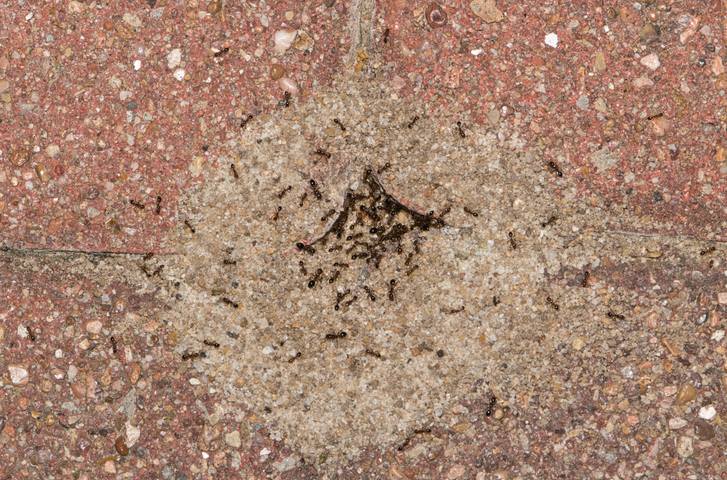
Identifying ant nests
Ant nests can vary significantly in appearance depending on their location. Indoors, they may appear as small mounds of soil or debris hidden in corners or beneath flooring, while outdoor nests often look like raised mounds. Other pests, such as termites or certain bee species, can create nests that look similar to ant nests, making it hard to identify ant nests underground.
To build their nests, ants use materials such as soil, wood, or plant matter. There are three main types of ant nests:
- Soil nesters, which excavate tunnels and chambers in the ground
- Opportunist nesters, which take advantage of existing cavities in structures or natural environments
- Wood nesters, which create their colonies within decaying wood, using it as both shelter and a food source.
Odorous house ant nest
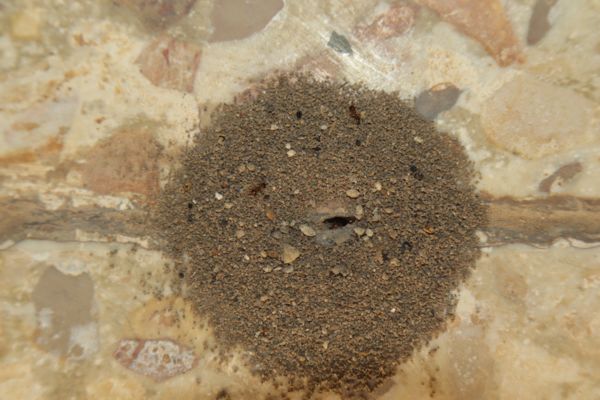
Odorous house ant nests are generally small, usually comprising fewer than 10,000 ants in the colony. They often build their nests in hidden locations such as wall voids, under rocks, or in decaying wood, which provides shelter from predators and environmental exposure. The nests appear as clumps of tightly packed soil, sometimes with a greasy appearance due to the ants’ secretions. These ants create nests by excavating and relocating debris, but they do not form the larger, more visible mounds seen with some other species.
Carpenter ant nests
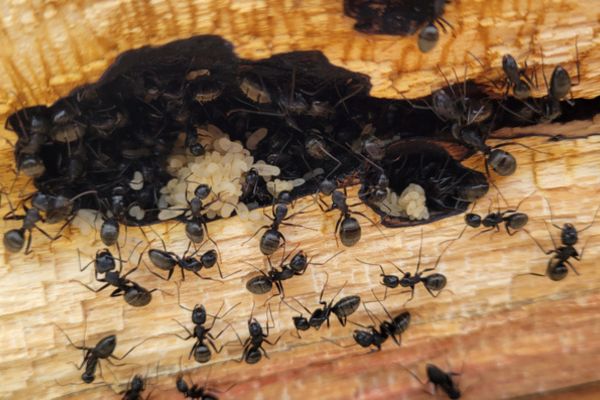
Carpenter ant nests tend to be larger than those of odorous house ants. Typically found in damp, decaying wood, carpenter ants excavate their nests by tunneling through the wood, which can lead to structural damage in buildings. The nests may appear as coarse sawdust piles near entrance holes. Carpenter ants create their nests carefully, maintaining clean surroundings by removing debris.
Fire ant nests
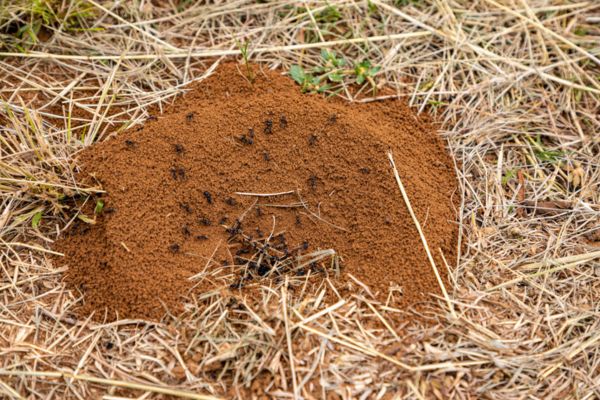
Fire ant nests are large, visible mounds composed of soil, which can reach up to 18 inches in height. These nests are frequently located in sunny open areas, such as lawns, fields, and gardens, and can produce multiple satellite colonies nearby. Fire ant mounds are characterized by their loose structure, allowing for ventilation and easy access for the ants. Fire ants build their nests using soil and plant material, and they can become quite elaborate, sometimes creating extensive underground tunnels. Destroying these nests can provoke the ants, as fire ants are particularly aggressive and may sting or bite.
Where to look for an ant nest
When searching for ant nests around your home, it's important to know where to look. Common nesting locations for ants include areas beneath floorboards, behind walls, and in damp, decaying wood, as well as outdoor spots like gardens, lawns, and under rocks. To track ants back to their nests, follow the trail of ants as they carry food or materials back to their colony. For example, odorous house ants may be found in hidden crevices or wall voids, while carpenter ants often tunnel through damp wood and can be traced to their nests by following trails of debris or sawdust. Fire ants, on the other hand, create visible mounds in sunny areas, making them easier to locate.
How to get rid of an ant nest
To effectively get rid of an ant nest, you need to disrupt the ant colony, which primarily revolves around eliminating the queen. The queen plays a vital role in the colony's survival, as she is responsible for reproduction. Without her, most colonies cannot thrive for long. However, many ant species have multiple queens, making it challenging to identify and target the right one. So what should you do if you find an ant nest in your house? Our first recommendation is to contact us for ant control, but here are some DIY methods to get rid of ant nests.
- Boric acid baits, which can attract worker ants who then carry the poison back to the nest, ultimately leading to the queen’s demise.
- Diatomaceous earth is a natural powder that dehydrates ants upon contact.
- Vinegar solutions can also be effective in disturbing ant trails and deterring them from returning.
It's also crucial to recognize that the approach will differ based on whether the nest is indoors or outdoors. Indoor nests can be treated effectively with baits and traps designed for indoor use, while outdoor and ant nests underground may require stronger, more potent treatments to eradicate the problem.
Preventing future ant nests
Preventing future ant nests requires a proactive approach to deterring ants from establishing a home in yours.
- Keep your home and surroundings free from food debris by cleaning up crumbs, spills, and trash that can attract foraging ants.
- Seal potential entry points such as cracks, gaps around doors and windows, and openings around utility lines to block ants from getting inside.
- Manage moisture levels by fixing leaks, reducing humidity, and eliminating standing water that can attract ants.
- Trim vegetation away from your home to prevent ants from using branches and plants as bridges to access your structure.
- Ensure proper drainage around your property so water doesn’t collect near the foundation, creating an ideal environment for nesting.
However, if you find that the ant problem persists, Terminix can help. Our technicians are trained to tackle infestations and can help keep ants out of your house.