Citronella ants (Lasius interjectus)
Content Updated: February 11th, 2025
Citronella ants, scientifically known as Lasius interjectus, have a distinctive lemony scent that resembles citronella oil. Sometimes called “yellow ants,” this species is commonly found in wooded areas, grasslands, and even urban settings. They play a vital role in the ecosystem by aerating the soil and breaking down organic matter. Their unique scent serves as both a deterrent to predators and a characteristic that can help homeowners easily identify the ants on their property.
Citronella ant identification
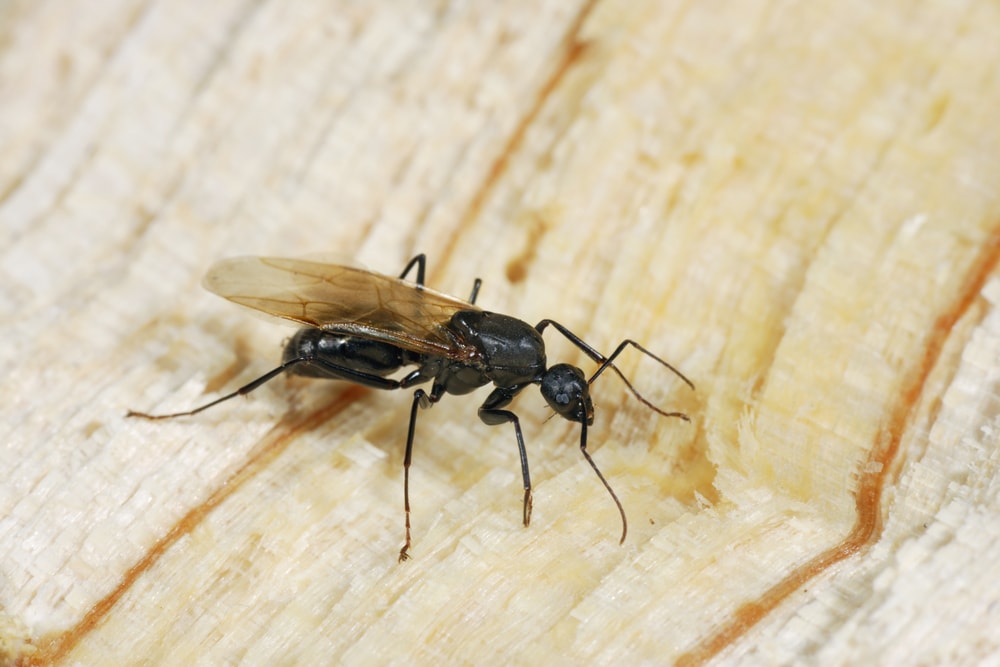
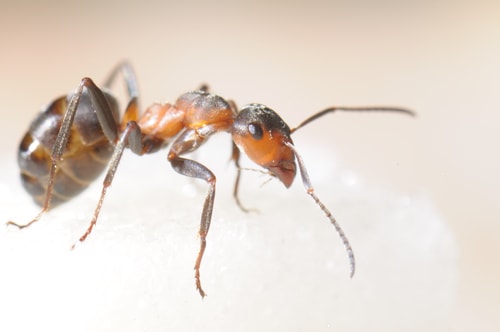
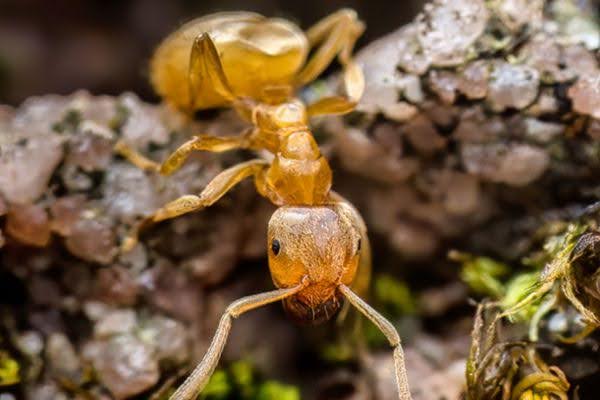
Citronella worker ants typically measure about one-quarter of an inch in length, while winged females and male swarmers can measure up to five-eighths of an inch and three-eighths of an inch, respectively. Most citronella ants, including female swarmers, are golden yellow in color, although winged males are black. These ants have a slender, shiny exoskeleton with long, delicate legs and 12-segmented antennae. While most citronella ants are wingless workers, the reproductive males and queens have wings, which they use during the mating season in late spring to early summer. A notable feature of these ants is their distinct lemon-like scent which can become a strong odor when the ants are crushed.
Citronella ants vs. termites
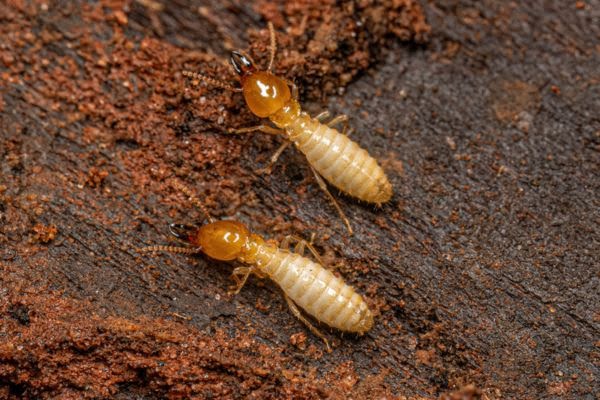
Citronella ants and termites have key characteristics that can help tell them apart. Citronella ants are small with a golden yellow coloration and have a distinct lemony scent they emit when crushed. Their bodies are slender, with a segmented appearance, and they have bent antennae. In contrast, termites are generally larger, with some species measuring up to one inch long. They have a more robust, straight-bodied appearance with a pale color that ranges from light brown to creamy white.
Behaviorally, yellow ants are often found in damp environments and are known for their tendency to create small, mound-like nests in soil or wood. Termites, on the other hand, are more social insects and live in larger colonies within the wood or underground. Additionally, an important behavior to note is that citronella ants are not typically pests that cause structural damage, while termites are infamous for their wood-eating habits.
Citronella ant behavior and habitat
Citronella ants are subterranean in nature and thrive in environments rich in moisture and organic material. They are typically found in wooded areas, gardens, and landscapes, preferring to establish their colonies within the soil beneath stones, logs, or landscape timbers. Their nests are often located in mulch near building foundations and in soil beneath slab floors and crawl spaces. In the United States, these ants are commonly found in the eastern regions, although they can also be found in parts of the Midwest and South.
While they are not considered invasive in the traditional sense, their presence can become a nuisance, especially when the winged reproductives, known as swarmers, enter homes in large numbers during early to mid-spring. This sudden appearance can be alarming to homeowners, especially with the strong citronella odor emitted by the swarmers. Their diet mainly consists of honeydew produced by subterranean aphids and mealybugs, which feed on the roots of trees and other plants. Interestingly, the worker ants are rarely seen foraging outside, unlike the swarmers that appear during the mating season. Within their colonies, the yellow ant's social structure has a clear division of labor, where workers tend to the brood and maintain the nest, while the swarmers are responsible for reproduction.
Lifecycle and reproduction
Citronella ant queens can live several years, often up to a decade. The worker ants generally have shorter lifespans that range from a few months to a couple of years, depending on environmental conditions. As for reproduction, yellow ants are relatively efficient. During warmer months, the queen produces new eggs frequently, allowing the colony to grow rapidly. Each queen can lay hundreds to thousands of eggs, which mature into adults in as little as a few weeks to several months.
Signs of citronella ants
Although they may be tiny, citronella ants can have a big presence. If you suspect you have a yellow ant problem, look for these signs:
Lemon smell: You may notice a lemony or citronella-like odor, especially when ants are crushed.
Swarming: During mating season (early to mid-spring), you might see winged reproductives, also known as swarmers, in large numbers around your property.
Nesting: Small, mound-like nests may be visible in the soil, especially in damp areas like gardens, near building foundations, or under mulch.
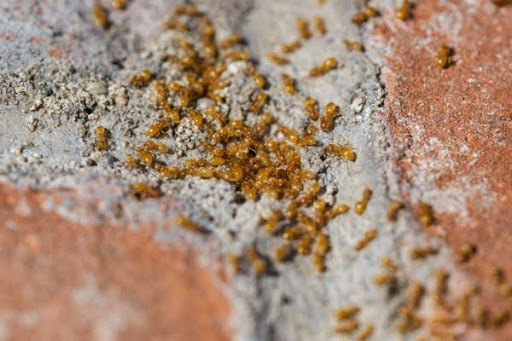
Ant trails: Look for trails of these small golden-yellow ants, typically moving towards sources of food or moisture around your property.
Activity in soil: If you notice soil disturbances or small holes in your landscape, it could signal an underground colony.
What attracts citronella ants to your home?
Citronella ants often enter homes in search of food sources, particularly sugary substances or waste. These ants are also drawn to moisture, which can be found in areas like kitchens, bathrooms, or near leaky pipes. They typically find their way inside through small cracks and crevices in walls, windows, or doors. Once they establish a trail to a food source, they leave pheromones that lead other ants from their colony to the same location.
Are citronella ants harmful?
Citronella ants are generally not harmful to humans or pets and do not bite or sting. Instead of posing a direct threat, these ants are more of a nuisance when they invade homes, as they can become persistent. While they may not cause significant damage like some other pests, their presence can indicate underlying moisture problems or attract other pests.
How to get rid of citronella ants
When it comes to citronella ants, most colonies do not require control unless the swarmers are entering the home or building. Even then, treatment may not be possible because it is difficult to know exactly where the colony is located under the foundation. Sealing the cracks in the floor where the swarmers enter may stop the swarm from entering a home or building, but the ants may find other cracks. While it may be tempting to turn to DIY solutions, any treatment will involve drilling and treating beneath the slab, which makes the services of an experienced professional essential. If you suspect citronella ants have invaded your home – Terminix has experienced technicians who can help protect your home.