Education
Bullet ants (Paraponera clavata)
Learn more about bullet ants, famous for their intense and painful sting.
Updated: May 23, 2025
Bullet ants (Paraponera clavata) are large, aggressive ants known to have one of the most painful stings in the world. Found in Central and South American rainforests, they make their homes in trees and on the forest floor. While they are not a danger in the United States, a similar species called the Texas bullet ant (Neoponera villosa) can be just as formidable. Learn about bullet ant behavior and how to protect your property from aggressive ant species.
Bullet ant identification
Bullet ants are large, aggressive ants with distinct features that separate them from other ant species. Here’s how to identify bullet ants:
- Size: Bullet ants can get as large as one and two-tenths of an inch long (30 mm). Bullet ants are one of the largest ants in the world.
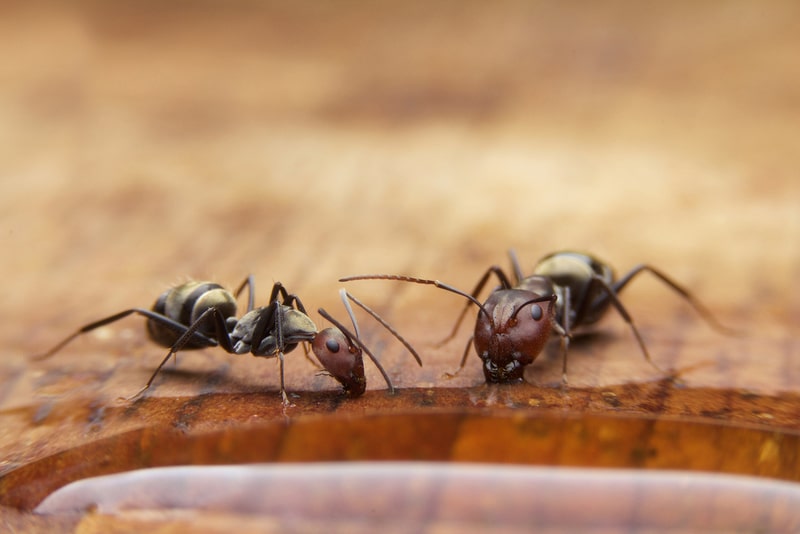
- Color: Bullet ants can have reddish-black to dark brown coloring.
- Body shape: Bullet ants have smooth bodies with a distinct abdomen, thorax, and head. They have large mandibles (pincers) and a stinger.
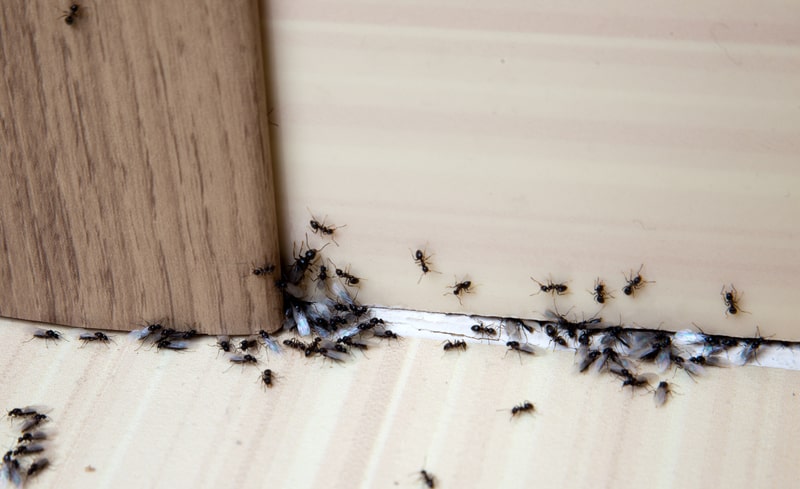
- Wings: Only reproductive bullet ants, called swarmers, grow wings and leave the nest during mating season. Worker ants do not grow wings.
Do bullet ants have the most painful stings?
While bullet ants do bite, they are most known for their sting. Their sting is extremely painful and is considered one of the most intense stings, ranking at the top of the Schmidt sting pain index. Bullet ants have a venomous sting containing a neurotoxic peptide called poneratoxin. This is what causes the sting’s intense, burning pain that can last up to 24 hours.
A bullet ant sting is not typically dangerous to healthy humans or pets, but it can cause swelling, redness, and in rare cases, allergic reactions. People describe the pain as a deep, throbbing, and electric sensation like being shot by a bullet.
Bullet ant behavior and habitat
Bullet ants live in tropical rainforests and are active, aggressive foragers. Here's a quick look at their habitat, diet, and ant behavior:
- Preferred habitats: Bullet ants are native to tropical rainforests and prefer warmer, humid environments. They typically form nests in the soil near the bases of trees and forage in the forest canopy.
- Geographic range: These ants live in Central and South America, in countries including Brazil, Bolivia, El Salvador, Honduras, and Peru. While you won’t find them in the United States, there is the similarly named Texas bullet ant (Neoponera villosa), which is native to Texas and Mexico and is also known for its painful sting.
- Diet: Bullet ants have a varied diet that includes foraging for nectar and hunting live prey like beetles, grasshoppers, katydids, spiders, and small frogs.
- Active seasons: Bullet ants are most active during the rainy season.
- Symbiotic relationships: Bullet ants have symbiotic relationships with native plant life, helping with seed dispersal and pollination. Phorid flies have a parasitic relationship with bullet ants. Phorid flies are known to lay their eggs in the wounds of injured bullet ants.
- Colony structure: A healthy bullet ant colony can support several hundred ants. Their colony structure has one egg-laying queen, worker ants responsible for foraging and hunting, and reproductive castes to help grow the colony.
Bullet ant life cycle and reproduction
The life cycle of bullet ants has four main stages: egg, larva, pupa, and adult. They live in colonies that can grow to support hundreds of individuals. During the rainy season, bullet ants leave their nests for mating flights, helping to expand and start new colonies.
- Lifespan: Worker ants can live several months to a year, queen bullet ants can live for several years, and reproductive male ants have the shortest lifespan, dying off after mating flights.
- Reproduction rate: Queens lay eggs throughout the year, but mating activity increases during the rainy season, where colonies expand the most.
Signs of bullet ants
If you live in the United States, you don’t have to worry about encountering the famous bullet ant (Paraponera clavata) with its painful sting. However, there is the similarly named Texas bullet ant (Neoponera villosa) that can be a problem pest for some parts of the country. Watch out for these signs of Texas bullet ants:
- Texas bullet ant signs: Look out for ant mounds at the base of trees or shrubs where Texas bullet ants live, hunt, and forage. You may also see ant trails if a colony is nearby.
- Where are Texas bullet ants found? The Texas bullet ant (Neoponera villosa) can be found in backyards or areas with plenty of moisture. They can also live in decaying wood or leaf litter.
- What attracts Texas bullet ants? Texas bullet ants are attracted to their outdoor food sources, but can seek out shelter in dark, moist areas of a home (like a shed or garage).
- How do they get inside? Texas bullet ants can enter homes through small openings such as cracks in the foundation, gaps around windows and doors, or areas where siding is damaged or loose.
Since Texas bullet ants tend to live entirely outdoors, they are not likely to damage your home or any structures. Still, if you think you have a colony on your property, you should have them removed. Texas bullet ants are an aggressive ant species with a painful bite that can be harmful to humans and pets.
How to get rid of bullet ants
Aggressive ants, like Texas bullet ants, are a problem you want removed quickly from your property. Here are some simple steps to help prevent painful encounters:
- Avoid direct contact: Texas bullet ants are aggressive; avoid directly disturbing their nests to avoid being stung.
- Clean up outdoor areas: Remove decaying wood, thick brush, and leaf piles, which are attractive nesting spots for Texas bullet ants.
- Trim back trees and brush: Prune back branches that touch or hang near your home to prevent ants from getting inside.
- Seal up cracks: Check for and seal off gaps around doors, windows, and your home’s foundation.
While DIY ant control methods can be helpful, they cannot fully address an ant infestation. For a long-term solution, Terminix ant control can provide you with targeted treatments designed for your home and property.
If you live in a region prone to Texas bullet ants, working with a Terminix expert can help protect your home and yard while reducing the risk of painful stings.