
Black garden ants (Lasius niger)
Black garden ants are common in yards—learn how to identify and manage them.
Updated: June 4, 2025
Black garden ants (Lasius niger) are small, dark ants commonly found in gardens and yards across Europe and parts of North America. Known for forming large colonies, these black ants often build nests in soil, under stones, or along pavement edges. Get to know more about this common backyard ant species and how to prevent infestations.
Jump to section:
Black garden ant identification
Black garden ant behavior and habitat
Black garden ant life cycle and reproduction
How to get rid of black garden ants
What do black garden ants look like?
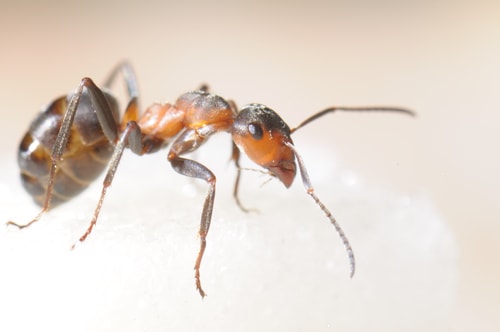
Black garden ants are small ants with shiny, dark bodies. They are one of the most common ant species found around homes and gardens. Here are the main characteristics that can help you identify black garden ants:
- Size: 1/8-inch to 13/64-inch (3 to 5 mm), around the same size as most common ants.
- Color: Black to dark brown color with a smooth and shiny body.
- Body shape: Black garden ants are small, but you can identify them by their narrow thorax (waist) and bent antennae.
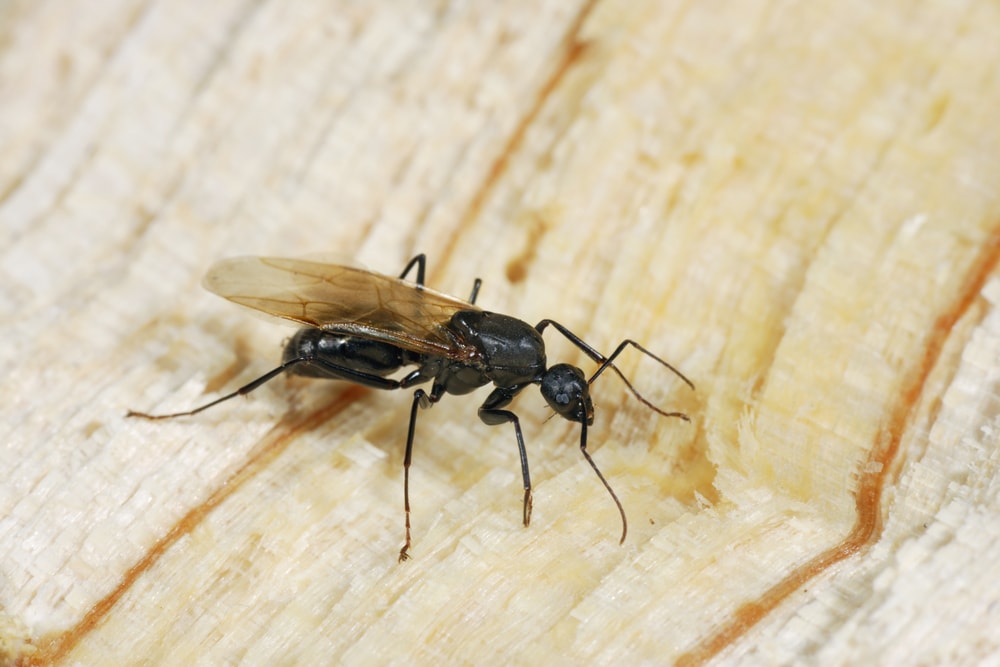
- Wings: During mating season, reproductive ants (also called alates) grow wings and leave the colony to mate, while the wingless worker ants stay behind.
What is the difference between a black garden ant and a carpenter ant?
Black garden ants are very small, while carpenter ants are much larger, as big as half an inch long. Black garden ants are relatively harmless compared to carpenter ants, which can cause structural damage to homes by tunneling through wood. If you see large black ants indoors, call pest professionals to see if you have a carpenter ant infestation.
Black garden ant behavior and habitat
Black garden ants are adaptable, highly organized, and a common sight nesting in soil in lawns and parks. Here’s a quick look at black garden ant behavior and habitats:
- Preferred habitats: Black garden ants build their nests in the soil. As their name implies, they are common in garden beds, under brick pavers, and on rocks. They can be found in forest and grassland habitats.
- Geographic range: These ants are one of the most common ant species in Europe, but they can also be found in Asia, North America, South America, and Australia. In the United States, you can find them in regions with warmer, humid climates.
- Diet: Black garden ants have a varied diet that includes nectar, seeds, and other insects. They are also known to feed on the secretion from aphids and some caterpillars. Black garden ants can also make their way into your home, looking for food sources like sugar or crumbs.
- Swarming season: Black garden ants swarm from late summer to early fall when it’s most humid. This is when reproductive alates (flying ants) leave the nest to mate and start new colonies.
- Colony structure: Black garden ants live in highly organized colonies, organized around one egg-laying queen. Classes of worker ants are responsible for foraging for food, defending the nest, building complex tunnels, and caring for young.
Black garden ant life cycle and reproduction
The life cycle of black garden ants includes four stages: egg, larva, pupa, and adult. They form large colonies that can contain up to 15,000 ants. During swarming season, reproductive ants leave the nest to mate and start new colonies, helping the species survive and spread.
- Lifespan: Black garden ant workers can live for at least four years, while queens have much longer lifespans, reaching over 10 years.
- Reproduction rate: Black garden ant queens lay eggs year-round, but egg-laying increases during the swarming season when reproductive activity is at its highest.
- Swarming and colony growth: In late summer to early fall, winged males and females leave the nest to mate. After mating, the new queens find a place to nest and start laying eggs, slowly growing a new colony.
Signs of black garden ants
Noticing tiny black ants around your home or garden? Here are the most common signs that black garden ants may be active on your property:
- Signs of an ant problem: Watch out for lines or trails of ants in your home or near your home. You may also find ant nests or ant mounds near easy entry points.
- What attracts black garden ants? Like many other ant species, black garden ants are attracted to food scents. They are drawn to sugary foods, open pet food, fruits, crumbs, and spills.
- How do they get inside? Black garden ants can enter homes through small openings, such as foundation cracks, gaps near windows and doors, or areas with damaged siding.
- Where are they found? If black garden ants make their way indoors, they usually can be found near food sources. Watch out for black garden ants in kitchens, near pet bowls, or in food storage areas like pantries.
Are black garden ants dangerous?
Black garden ants are not dangerous and are not an aggressive species. They cannot sting, but black garden ants do bite if threatened. It is unlikely to get an ant bite from black garden ants because they are more likely to run away as a defense mechanism.
While you don’t want to see black garden ants indoors, they do have benefits for their natural environment. Black garden ants feed on common garden pests, so they can help protect flowers and produce. They are also beneficial pollinators and propagators, spreading pollen from flowers they feed on and distributing seeds that can grow into new plants. Finally, the tunnels that black garden ants dig for their nests help aerate the soil, which helps plant growth.
How to get rid of black garden ants
Black garden ants are very common and live in large colonies, so you’re likely to spot an invader or two in your home. But there are steps you can take to prevent black garden from getting indoors. Here’s how to get rid of black garden ants and protect your home:
- Seal entry points: Close up cracks and gaps around windows, doors, and foundations to stop ants from finding their way indoors.
- Reduce attractive food sources: Regularly clean up spills and crumbs around your home and properly seal pantry items.
- Cut back brush: Keep trees, bushes, and garden beds tidy and trimmed so they don’t touch your home.
- Disrupt foraging trails: Sweep or hose down ant trails regularly to confuse their scent paths and discourage return visits.
- Use natural deterrents: Citrus sprays, vinegar solutions, or diatomaceous earth are common DIY methods to repel ants.
When dealing with black garden ants, DIY ant control methods can seem like an easy fix, but can miss the root of the problem. To keep black garden ants away from your home choose professional solutions like Terminix ant control that can target the source and help prevent future infestations. See how Terminix can protect your indoor and outdoor spaces.