The different types of army ants
Content Updated: February 26th, 2025
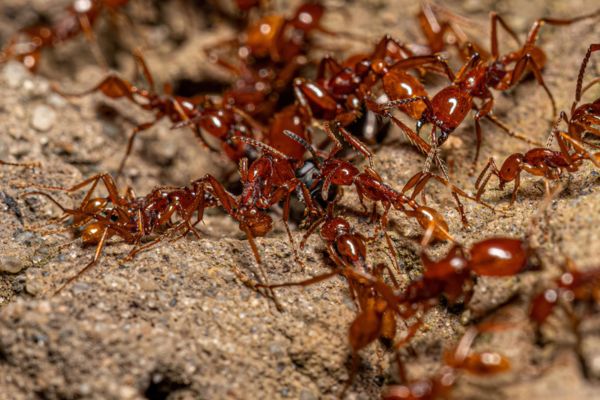
Army ants, also called war ants, are typically found in the rainforests of South America, but they can still occasionally be a problem for homeowners right here in the United States. Army ants have over 200 species across the globe, and unlike typical ants, army ants have unique hunting tactics and foraging patterns that set them apart from other species. Instead of scattering individually to find food, war ants work as a unified force, often moving over vast distances to locate and capture prey.
Army ant identification
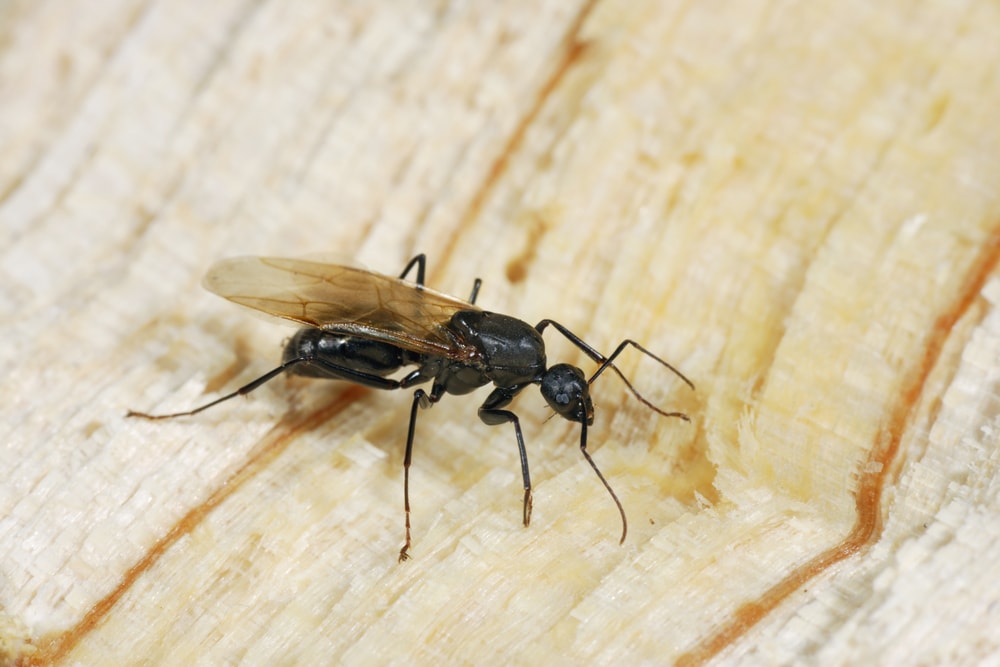
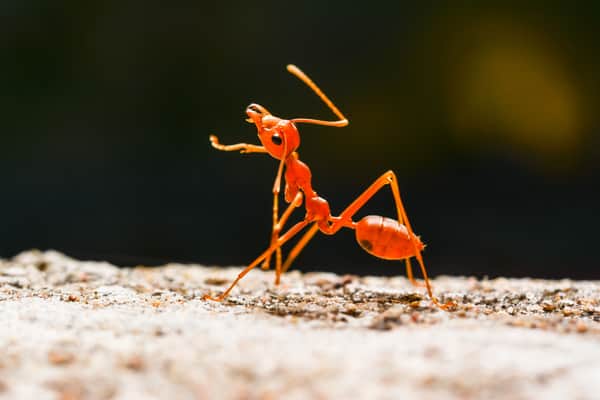
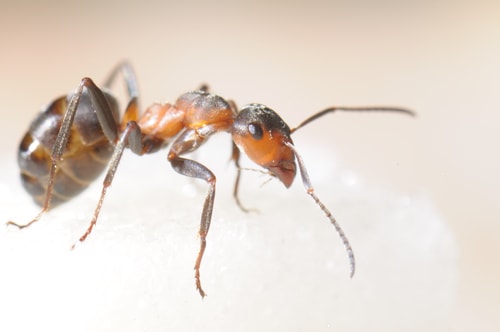
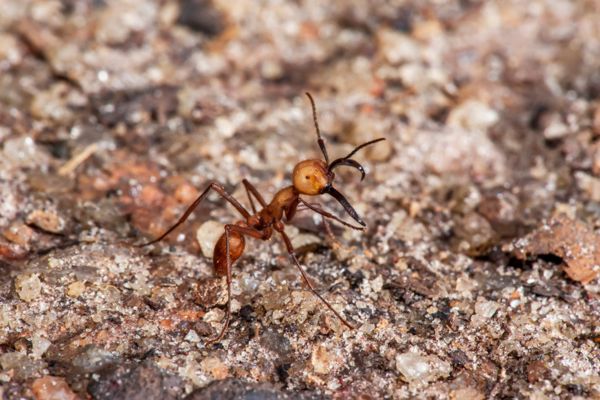
Army ants have a robust and elongated body structure with large and powerful mandibles. War ant workers typically measure about a quarter inch in length, with a very dark brown or black body and orange-colored abdomen. Major army ants can measure up to half an inch and have pale orange heads, dark orange legs, and dark mandibles. Unlike most insect queens, queen army ants do not have wings, and they can even change size when moving to a new nest location.
Army ant raids and diet
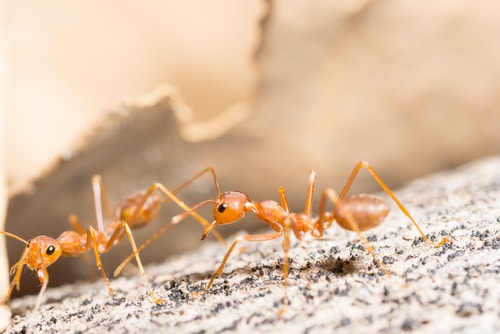
Army ants are known for their organized raids, where thousands of individuals work together to capture prey. These raids typically occur during the day and can last several hours, raiding almost anything in their path and even traveling over 200 yards in some cases. The lead worker ants leave a chemical trail for the others to follow, while the smaller worker ants lead the colony, and the other ants protect their borders.
The primary reason for these raids is to provide food for the colony, especially since war ants do not have permanent nests and rely on the continuous hunt for sustenance. Their diet consists of other insects and small vertebrates, like beetles, frogs, and lizards. They have large mandibles that act like scissors that they use to slice their prey. While slicing up their victim, they spread a dissolving acid that is used to melt down flesh and muscles into a liquid matter. The only defense against an army ant attack is staying still. This is because army ants are nearly blind, so they rely on light and darkness from movement to detect prey.
Where do army ants live?
Army ants primarily live in tropical and subtropical regions. They thrive in various environments, often preferring moist, forested areas. In the United States, army ants are generally found in the southern states, particularly in Florida, Texas, and along the Gulf Coast. These ants are known for their nomadic lifestyle, moving in large colonies to hunt for food. Instead of living in mounds, army ants form bivouacs, which are temporary nests made up of ants.
Lifecycle and reproduction
The lifespan of worker army ants typically ranges from a couple of months to a year, while the queen can live for several years. The colony's reproduction is centered around the queen, who can produce thousands of eggs each day. War ants are known for their unique reproductive cycle, which often includes a nuptial flight, where winged males and females mate in the air. After mating, the males usually die shortly after, while the fertilized queens land, shed their wings, and establish new colonies. This means that, under optimal conditions, colonies can quickly increase in size.
Are army ants dangerous?
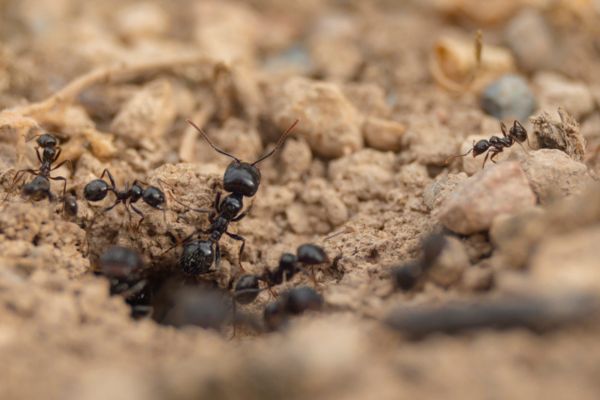
Army ants can be dangerous, primarily due to their aggressive foraging behavior and powerful bites. While they are generally more of a threat to smaller animals and insects, they can inflict painful bites on pets or people if they feel threatened. They are not known to cause structural damage to homes or buildings, and the likelihood of army ants making their way inside is relatively low. However, in some cases, you may find them in your yard or garden. Large, moving groups of ants and a strong odor may indicate that army ants are near your home.
Army ants and silverfish
Army ants and silverfish have a unique relationship. Silverfish follow army ants on their raids and share the food caught by the ants. They blend in with the ants to avoid prey and cover themselves in the ants' scent to avoid detection. In some cases, silverfish may even hunt with army ants during their raids.
How to get rid of army ants
Although it’s unlikely that army ants will raid your home, it’s important to tackle any ant infestation head-on. Sealing entry points, removing food sources, and storing food properly can help prevent these pests from taking over your home. In addition, many homeowners turn to DIY methods such as over-the-counter ant baits or traps. To help ensure ants remain outside where they belong, leave ant control in the hands of Terminix.