Argentine ants (Linepithema humile)
Content Updated: February 11th, 2025
Argentine ants (Linepithema humile) are an invasive species native to South America. They are sometimes referred to as "sugar ants" because they prefer sweet foods. These small, dark-brown ants form large, interconnected colonies known for their aggressive behavior towards other ant species.
Argentine ant identification
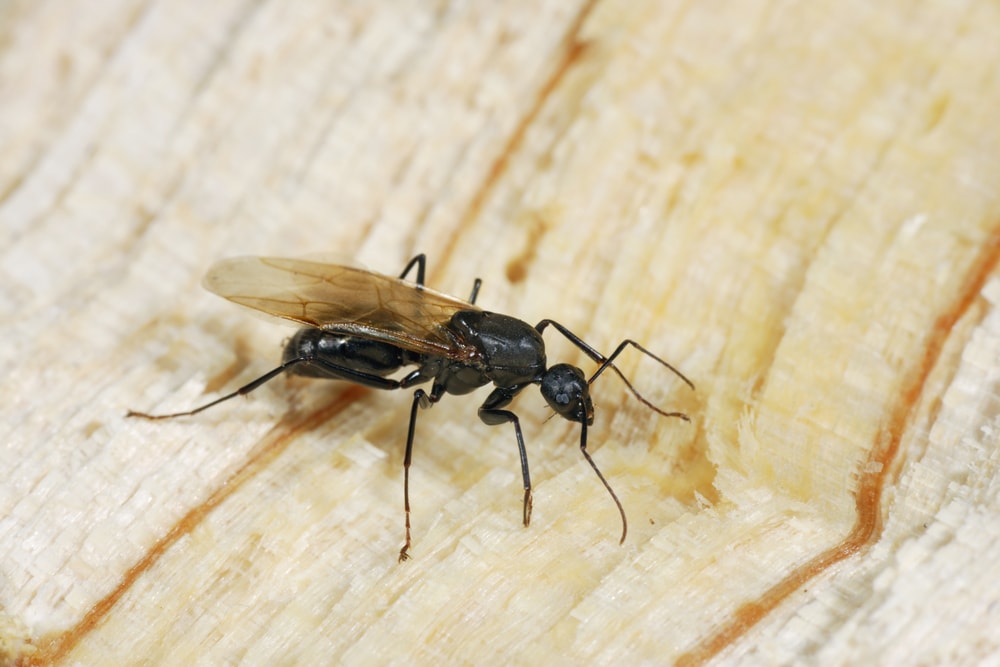
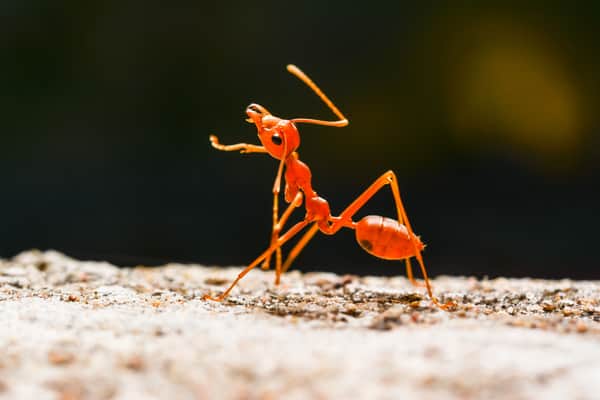
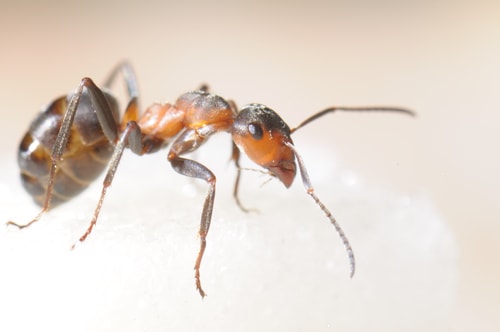
To identify Argentine ants, look for their small, dark brown bodies, elbow-shaped antennae, and slender build with a single segment connecting their thorax to their abdomen. Workers are about 1/8 inch long, while queens can grow up to 1/2 inch. Only the males have wings, which they lose after mating.
These ants are often attracted to sweet substances like honeydew, fruit, and sugary drinks. They can also be found in homes, where they may invade pantries and cupboards for food. When crushed, argentine ants emit a musty odor from chemicals released from the ant's body.
Argentine vs. odorous house ants
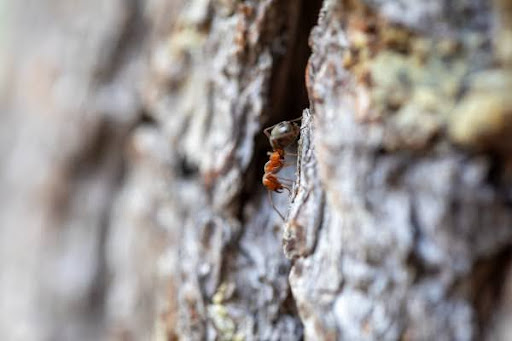
You can tell the difference between Argentine and odorous house ants by looking at their size, color, and behavior. Odorous house ants can be slightly larger than Argentine ants, ranging from 1/8 to 1/4 inch long, and have a shiny, rounded body. Crushing an odorous house ant gives off a strong smell similar to rotten coconut, while Argentine ants let off a musty odor. Argentine ants are more aggressive and often travel long lines when searching for food, while odorous house ants tend to forage in smaller groups.
Argentine ant behavior and habitat
Argentine ants thrive in warm, moist environments like those found in coastal and southern regions of the US. They are highly invasive, outcompeting native ant species. These ants are omnivores, feeding on various foods, including sweets, meats, and other insects. They are known for their large, interconnected colonies with multiple queens, allowing for rapid population growth and making them difficult to control. Distinguishing behaviors include their small size, light brown color, and tendency to form trails along surfaces.
Life cycle and reproduction
Argentine ants have a four-stage life cycle: egg, larva, pupa, and adult. The life cycle from egg to adult takes about two to three months. Argentine ants can reproduce rapidly, with queens capable of laying thousands of eggs each month. The presence of multiple queens within a colony allows for continuous egg production, leading to rapid population growth and the formation of large, interconnected colonies.
Signs of Argentine ants
If you suspect an infestation, knowing how to identify Argentine ants is crucial. Look for the following signs to determine if you have these pesky invaders:
Tiny, dark brown ants about 1/8 inch long
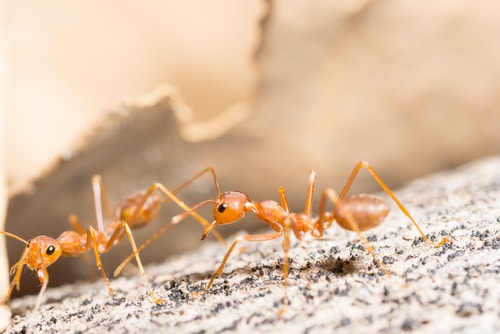
Trails of ants moving in long lines to food sources
An odor resembling musty or rotten scents when crushed
Evidence of food contamination in pantries or cupboards
Observing multiple ants nearby indicates a colony presence
Nesting sites near moist areas, such as under bricks or within landscaping
Knowing these signs can help you effectively identify Argentine ants and take the necessary steps to address the issue.
What attracts Argentine ants to your home?
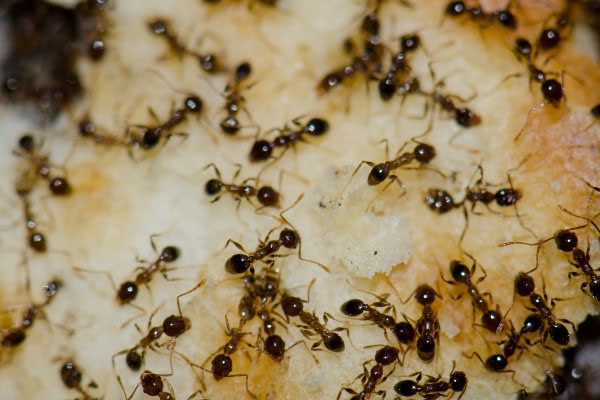
Ants are typically attracted to homes due to the availability of food sources and suitable nesting environments. They are drawn to sweet substances, such as fruit, honeydew from aphids, and sugary spills, making kitchens and pantries prime targets for foraging. Argentine ants often enter homes through small cracks and gaps in doors, windows, and foundation walls, taking advantage of any opportunity to access sheltered spaces.
Are Argentine ants dangerous?
Argentine ants are generally not harmful to pets or people, as they do not bite or sting like other ant species. While they are not considered aggressive towards people or pets, their sheer numbers can be overwhelming, and they may become a nuisance when invading homes in search of food. Their presence can lead to contamination of food and surfaces, which can pose health risks if not managed. Although they don’t cause structural damage, their foraging behavior may lead to unsightly trails and increase the risk of attracting other pests that can harm homes or gardens.
How to get rid of Argentine ants
Argentine ants are notoriously difficult to eliminate due to their complex social structure with multiple queens and interconnected colonies. If you notice an ant problem, immediately clean up any food or drink spills, seal food in airtight containers, and eliminate any sources of standing water. To help prevent future infestations, seal cracks and crevices around your home's foundation, regularly inspect for and repair leaks, and keep your yard clean and debris-free.
While DIY methods like baits and sprays may provide temporary relief, DIY methods available to the public most often will cause an Argentine ant colony to fracture and establish new nests and colonies. Argentine ant colonies require professional expertise. At Terminix, our technicians have the knowledge, experience, and specialized products to target and help eliminate these challenging pests effectively. Get started with Terminix ant control services!