DIY
Tips to prevent ants in your house
Updated: May 2nd, 2025
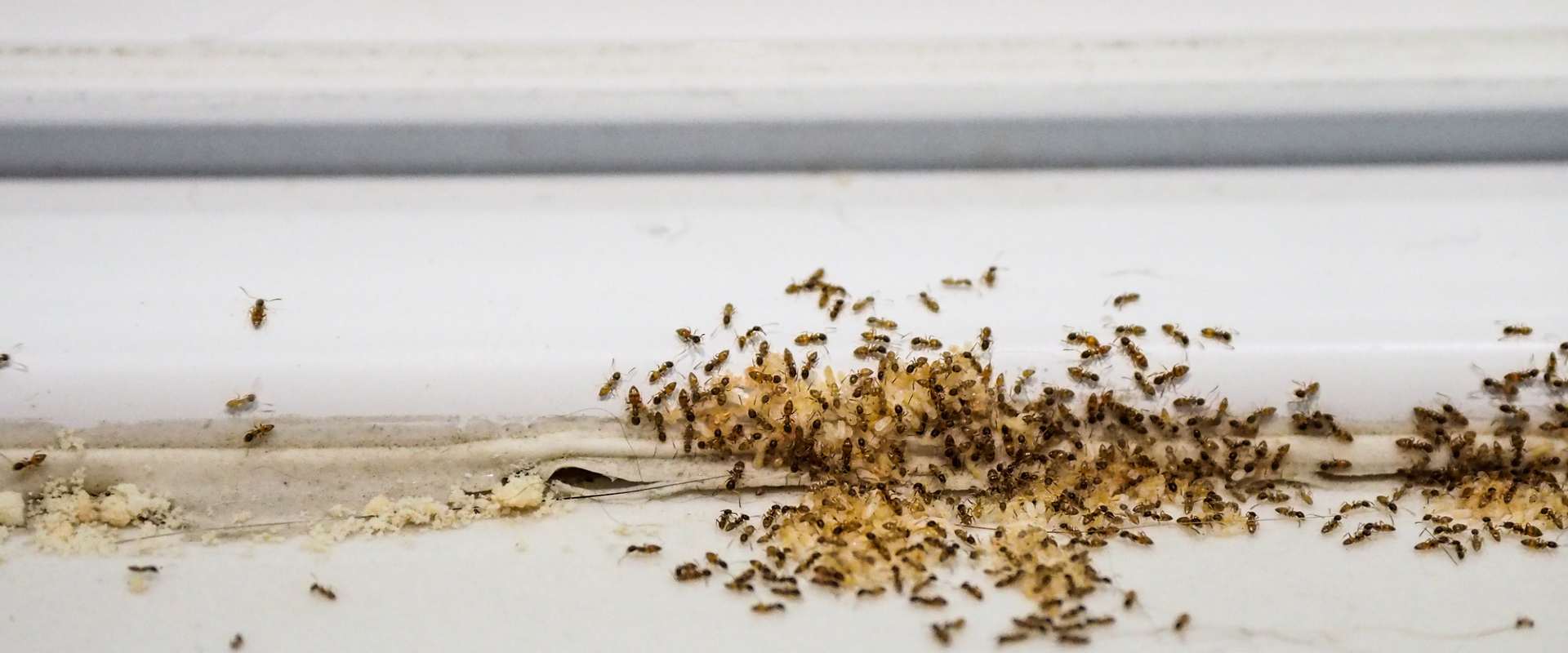
Ants, while small in size, can become a significant nuisance when they invade your home. Ants are typically searching for food, water, or shelter. Once they establish a presence in your home, they can quickly multiply and form colonies within walls, under floors, or in outdoor areas.
Ant infestations can lead to food contamination, structural damage (in the case of carpenter ants), and general discomfort for residents. However, proper ant-prevention techniques can help keep ants out of the house with affordable ant pest solutions.
What causes a lot of ants in houses?
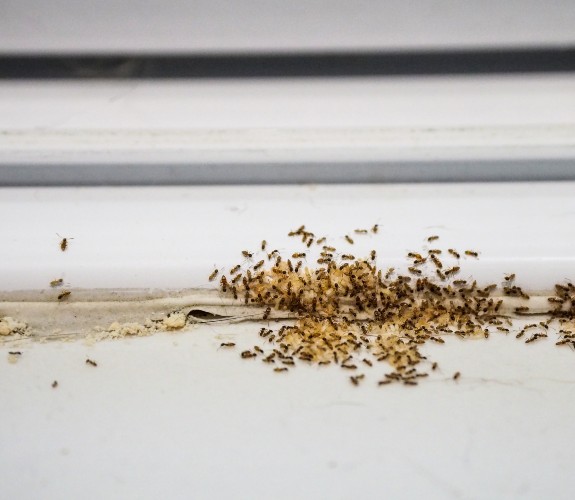
Ants have sophisticated foraging patterns. Scout ants explore potential food sources and leave behind chemical trails (pheromones) to guide other colony members. Common entry points for ants include cracks in walls, gaps around doors and windows, and vents. Once inside, ants establish trails along baseboards, under sinks, and near food storage areas as they forage for food.
Two common ant types homeowners encounter are odorous house ants and Argentine ants. Odorous house ants are small black ants often found foraging for food in kitchens, pantries, and other areas where food crumbs or spills are present. Argentine ants are small, light to dark brown ants frequently observed trailing along sidewalks, foundations, and indoors while searching for food and moisture sources. Argentine ants typically establish outdoor nests but may enter homes in search of food, water, or shelter. Mature Argentine ant colonies can consist of a million or more worker ants and hundreds of queens, forming large colonies that can often span multiple properties.
How to keep ants out of your home
The appropriate and most effective ant control method depends on the species present in your home. Knowing how to stop ants from coming into the house can help protect your home from infestations. Here are a few general ant prevention tips that can help you learn how to keep ants out of your house:
Seal potential entry points
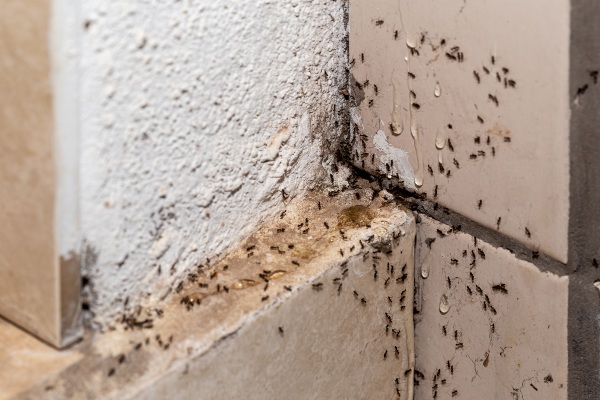
Ants can enter homes through gaps around windows and doors, cracks in the foundation, and spaces where utility lines and pipes enter the house. Even tiny openings, as small as a dime, can provide access for these determined pests, and some ants only need a gap as small as 1/64 of an inch to gain entry. By carefully inspecting your home, you can identify these vulnerable spots and take action to seal them. Use a sealant or caulk that is suitable for exterior use and can withstand moisture.
Reduce moisture
Ants thrive in damp conditions where water is abundant. Common locations include kitchens, bathrooms, basements, and crawl spaces where high humidity levels and dripping sinks can provide these pests with water. Ensure water is diverted away from your home's foundation, basement, or crawl space, and any water leaks are repaired immediately.
Keep a clean home
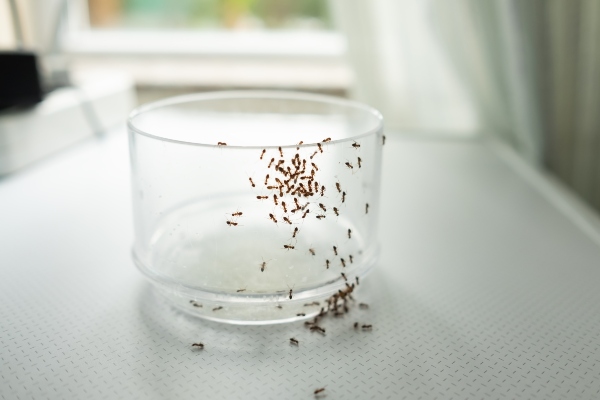
Regularly wipe down surfaces, including countertops, tables, and floors, to remove any traces of food or spills. Avoid leaving pet food bowls to sit out all day and empty trash bins daily. By depriving ants of easy access to food sources, you can significantly reduce the likelihood of an infestation. However, no ant prevention technique is fool-proof, and ants may still be able to find their way inside. By depriving ants of easy access to food sources, you can significantly reduce the likelihood of an infestation. However, no ant prevention technique is fool-proof, and ants may still be able to find their way inside.
Eliminate nesting materials outside your home
Some of the common nesting materials ants prefer include soil, leaves, grass clippings, and small twigs. They may also take advantage of organic debris and rotting wood found in gardens or near foundations. To prevent ants from making nests around your home, it’s essential to eliminate these potential nesting materials. Move piles of lumber or other materials that may serve as nesting sites away from your home's foundation and keep your yard tidy.
Establish ant barriers
Creating physical barriers to stop ants from coming in the house can include sealing cracks, gaps, and entry points with silicone-based sealants. Door sweeps and window screens can also help to close gaps around doors and windows.
To prevent potential ant nesting sites, trim vegetation away from your home's perimeter and remove debris and leaf litter. Consider using gravel or stone barriers around the foundation to deter ants. Utilizing physical barriers and knowing how to keep ants out of the house can help prevent a future infestation.
Chemical vs. natural ant repellents
Being aware of what repels ants can help maintain an ant-free environment. Chemical ant repellents are typically designed to target specific ant species and disrupt their behavior. Pyrethroids, for instance, work by attacking the nervous system of ants upon contact, leading to paralysis and death. Fipronil functions similarly but is often used in bait form, allowing ants to carry the poison back to their colony.
Vinegar can disrupt the scent trails ants use for navigation, which can confuse them. Borax can be used as bait, where ants consume it and bring it back to their colony. Due to their strong scents, essential oils and herbs such as peppermint, cinnamon, cloves, and lavender are believed to help repel ants. However, nearly all products homeowners use for ant control will make most ant infestations worse and harder to eliminate.
Why? Because it causes some ant species to bud. Insect budding involves a social insect group splitting, with some members leaving to establish a new colony. While usually requiring a queen, certain ant species like the Argentine ant can bud using sterile workers to transport eggs and raise new reproductives, making your ant infestation worse than it was before.
Invest in preventive treatments
Ant prevention is often the best approach to avoid infestations before they start. By sealing entry points, maintaining cleanliness, and using bait stations, homeowners can significantly reduce the likelihood of an infestation during ant season in the spring and summer.
Though knowing how to keep ants out of your house is a great start in controlling ants, professional ant control is considered the most effective method for ant prevention and offers long-lasting results that DIY methods often cannot achieve. Our trained technicians can conduct thorough property inspections, identify ant species, implement preventative measures, and recommend targeted treatment options.