

How to get rid of ant hills in your yard
Content updated: May 4th, 2026
Key takeaways
- Ant hills are just the visible entry points to a much larger underground colony, so surface-level fixes won’t solve the real problem.
- Repeated ant hills usually mean your yard offers ideal conditions like food, moisture, and dry, well-drained soil that ants prefer.
- Knocking down or disturbing mounds often makes things worse, since ants will simply rebuild and create multiple new hills nearby.
- Most DIY methods like boiling water, borax, or natural remedies may reduce activity temporarily but often fail to eliminate the queen.
- Long-term ant hill removal depends on targeting the entire colony, which is why professional ant control is typically the most effective solution.
If ant hills keep showing up in your lawn, you’re not alone, and learning how to get rid of ant hills in yard areas starts with understanding what’s really happening below the surface. Ant mounds are just entry points to a busy underground colony, and without proper ant hill removal, they’ll reappear again and again. While ants are a natural part of the environment, too many can damage your lawn and spread closer to your home, which is why ant control is essential.
Why your yard is full of ant hills
Once ant hills start popping up on your lawn, it’s safe to assume that there is a thriving ant colony just under the surface of your lawn, and it’s growing by the day. Ants are looking for a few essential resources when choosing a location to establish a colony, including:
- A water source: standing water, bird baths, fountains, leaky pipes
- Food source: fruit, sap, insect eggs, and honeydew produced by aphids
- Preferred soil conditions: dry, loose, well-drained, sandy soil that gets hours of direct sunlight throughout the day
Not all ants build ant hills. The main types of ants that you’ll find building ant hills on your lawn are Argentine ants, fire ants, and Texas leaf cutter ants.
Ways to get rid of ant hills
To get rid of ant hills for good, you have to address the real problem: the ant colony. Simply knocking over all the ant hills you can find will not get rid of the colony of ants that built the hill in the first place. To stop hills from popping up again, you have to destroy the queen—or queens—of the ant colony, which is no easy task. If you’re looking for how to remove ant hills from lawn areas, here are the most common options and how well they work:
Borax or boric acid
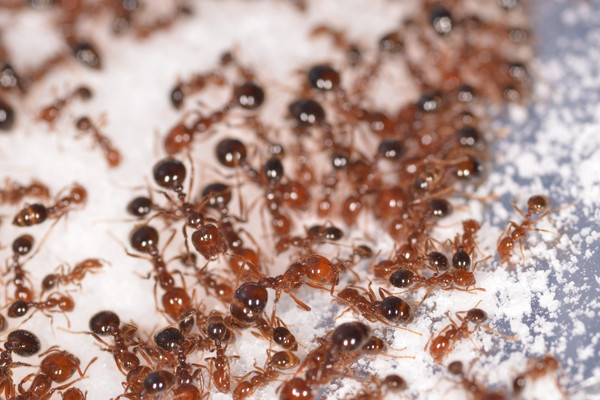
Using borax for ants or boric acid to kill ants is a common DIY approach because both act as slow-acting poisons. When mixed with sugar, they can attract ants, which then carry the mixture back to the colony. While this can reduce the number of ants you see, it doesn’t always reach or eliminate the queen, which means the colony can survive and rebuild. It’s also important to use caution, as these substances can be harmful to pets, children, and even your lawn if applied incorrectly.

Boiling water
Pouring boiling water directly into an ant hill may kill ants near the surface, making it seem like a quick fix. However, most ant colonies extend deep underground, so the water often cools before it reaches the queen. This means the colony can recover and rebuild the mound. In addition, boiling water can damage grass and surrounding plants, and it poses a burn risk if not handled carefully.

Carbonated water
Carbonated water is sometimes suggested as a natural way to get rid of ant hills, based on the idea that carbon dioxide will suffocate the ants. In reality, this method is not very effective because the amount of carbon dioxide released isn’t enough to eliminate the colony. At best, it may disturb the ants and cause them to relocate, which doesn’t solve the problem if they simply move to another part of your yard. While it’s generally safe for your lawn, it’s not a reliable solution.

Homemade and other natural ant hill removal treatments
Many homeowners try natural remedies, such as dish soap, vinegar, or baking soda, when looking for ant-hill removal options. Dish soap can kill ants on contact by breaking down the protective waxy layer on their exoskeleton, but it won’t affect the colony below. Vinegar may disrupt scent trails, temporarily confusing ants, but it doesn’t eliminate the nest. Baking soda mixtures are sometimes used similarly to borax, though results can be inconsistent. While these methods may reduce surface activity, they often require repeated use and can potentially harm grass or plants if overapplied.

Professional ant control treatments
Professional treatment is often the most effective way to handle persistent ant hills because it targets the entire colony. Terminix technicians understand how different species behave and use that knowledge to apply treatments where they’ll have the most impact. Our ant control treatments use a combination of baits and non-repellent insecticides to take advantage of the “transfer effect”. As a social pest, worker ants will carry the insecticide back to the colony and eventually kill the queen.
Identifying common ant hill types
Different ant species build different types of mounds. Knowing what species you’re dealing with can help you pick the proper treatment:
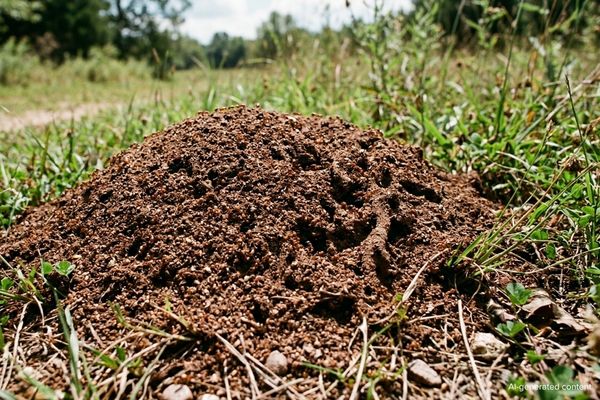
Fire ants: Large, loose mounds with no clear opening; often found in sunny areas
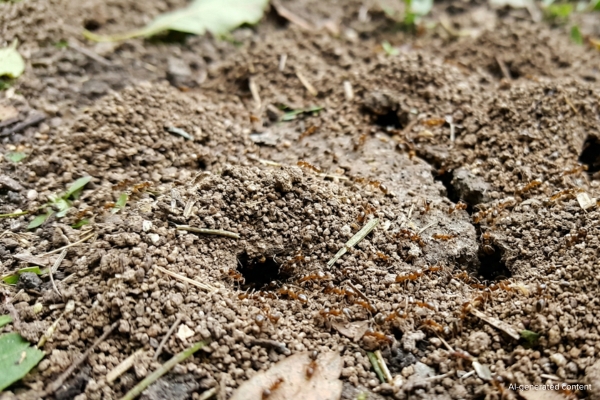
Argentine ants: Smaller, flatter mounds; usually near moisture
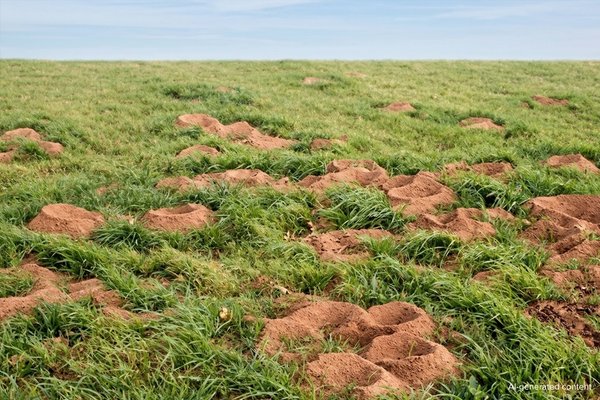
Texas leafcutter ants: Larger, more noticeable mounds with visible plant debris nearby
Even if the ant hills look similar, the behavior and colony structure can vary, which is why correct identification matters.
What happens when you destroy an ant hill?
When you stomp on or mow over a mound, you haven't actually destroyed the home; you’ve just slightly damaged it. The colony underneath remains perfectly fine. In response, the ants will simply dig a new exit, often resulting in two or three new hills appearing nearby a few days later. Additionally, destroying a large mound can leave a dip or a bare spot in your grass that requires reseeding.
How to help prevent ant hills outside your home
Strong lawn care habits can make your yard less attractive to ants and support long-term ant prevention:
- Water your lawn deeply to avoid dry soil
- Keep grass healthy and well-maintained
- Remove food sources like fallen fruit or trash
- Fix leaks and reduce standing water
- Treat small ant problems early before they grow
Stop wondering how to get rid of ant hills in your yard and Terminix It. Our ant control services are backed by the Terminix It Guarantee™—if the ants come back, so do we, to re-treat at no additional cost.1