

How to get rid of ants permanently in the house?
Contributed by:Pat Hottel
Last modified: April 16th, 2025
Knowing how to get rid of ants in your house isn't always easy. While sanitation often plays a major role in ant infestations, your property can also be a prime spot for ants, especially during nuptial flights in late spring and early summer. During this time, large swarms of winged ants seek to start new colonies.
Ants typically enter homes searching for food, shelter, and water, making your home an ideal spot due to available food sources and protection from predators. Since ants are social insects, one ant finding food can leave a trail for others to follow, leading to an influx of ants. If you're facing an infestation, schedule a free inspection with Terminix. Our experts understand how to get rid of ants and can help with reliable ant control.
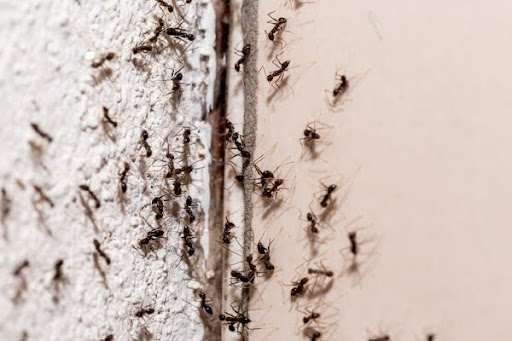
First, identify what type of ant is in your house
Identifying the type of ant in your house is crucial for effective control. Different ant species have unique behaviors, nesting habits, and food preferences, which impact the best treatment approach. This can make it difficult to determine how to get rid of ants in your house.
Some ants, like sugar ants, are attracted to sweets, while others, like carpenter ants, can cause structural damage. Using the wrong treatment can be ineffective or even worsen the problem, causing the colony to split and spread. Proper identification ensures targeted solutions that eliminate the infestation at its source. Common ant species that can be found indoors include:
- Sugar ants – A general term for ants attracted to sweet foods; sugar ants can quickly become a problem in kitchens and pantries. They follow scent trails to food sources and can be difficult to eliminate without targeting the colony.
- Little black ants – These tiny ants are often found in kitchens and bathrooms, searching for food and moisture. They build nests in walls, under rocks, or in decaying wood and can form large colonies.
- Carpenter ants – Unlike other ants that primarily forage for food, carpenter ants tunnel into wood to create nests, which can lead to structural damage over time. They are usually larger than other house ants and are often mistaken for termites.
Identifying the specific type of ant in your home is key to choosing the right treatment and preventing future ant infestations.
How to safely and effectively get rid of house ants
Dealing with ants in your home can be frustrating, but effective control starts with the right approach. Simply killing the ants you see won’t solve the problem—they’ll keep coming back unless you target the source.
Call in the professionals
Getting rid of ants isn’t always as simple as spraying the ones you see. Ants live in large colonies, and their nests can be hidden deep inside walls, under floors, or even outside your home. Hiring a professional pest control service like Terminix ensures the problem is handled efficiently and effectively. Our experts understand how to get rid of ants in your house. They have the tools and knowledge to locate nests, identify the ant species, and use targeted ant control treatments that work.
Keep surfaces clear of food
To help keep ants out of your food, store items in airtight containers, clean up spills and crumbs immediately, and avoid leaving dirty dishes in the sink. Ants in the house are attracted to easily accessible food sources, so cutting off their supply makes your home less inviting. By removing what draws them in, you can help prevent infestations.
Seal entry points
To help prevent ants in the house, seal cracks and gaps around doors, windows, and foundation walls with caulk or weather stripping. Repair damaged screens and use door sweeps to block entry points. By eliminating access, you can make it harder for ants to find a way inside, reducing the chances of an ant infestation.

Remove sources of extra moisture
Moisture buildup in homes can attract ants as they seek water sources to survive. Common problem areas include leaky pipes, dripping faucets, and condensation around windows and HVAC units. Bathrooms, kitchens, basements, and crawl spaces are especially prone to excess moisture. Using dehumidifiers, fixing leaks, and ensuring proper ventilation can help reduce these attractants and make your home less appealing to ants.
Avoid DIY natural ant solutions like essential oils
Many homeowners try natural solutions like essential oils, diatomaceous earth, boric acid, and citrus to repel ants and anthills, but these methods often fall short. Common DIY methods include:
- Essential oils (such as peppermint, tea tree, or lemon oil) may temporarily deter ants due to their strong scent, but they won’t eliminate the colony or prevent new ants from returning. This could also cause the entire colony to relocate on your property.
- Diatomaceous earth can kill some ants by dehydrating them, but it must be applied directly to their trails and nests, which can be difficult to locate.
- Boric acid can be effective in baits, but if used incorrectly, it may not reach the entire colony. It can also be hazardous to pets and children.
- Citrus peels or sprays are sometimes used to repel ants, but they are only a short-term solution and do not eliminate the source of the infestation.
While these methods might help reduce ants in the house, they don’t address the root of the problem–eliminating the colony. For long-term results, contact a professional. They understand how to get rid of ants in the house and can help eliminate ant infestations and the entire colony.
Don’t count on over-the-counter sprays
Over-the-counter sprays rarely solve an ant infestation. These sprays only kill the ants you see and may temporarily deter others, but they don’t address the root of the problem. Most store-bought products have little to no residual effect, meaning ants can find another way into your home. Meanwhile, the colony remains intact, continuously producing more ants that will keep searching for food and shelter, potentially inside your home.
Leave the ant baits and traps to the pros
Store-bought ant baits and traps attract ants to a food source laced with slow-acting poison. The ants carry the bait back to the colony, where it spreads and eventually kills more ants, including the queen. However, these solutions often fall short because they may not target the entire colony, and different ant species require different bait formulas.
Without proper identification and treatment, ants can keep returning. Calling in professionals ensures a more effective and long-term solution, as they have the expertise to locate nests, use targeted ant control treatments, and prevent future infestations.
What kills ants overnight?
If you’re fed up with these persistent pests, you’re probably wondering how to get rid of ants in the house quickly. Unfortunately, completely eliminating ants is a process that requires time and persistence. Depending on the species and colony size, it can take weeks to fully resolve an infestation. While some treatments may quickly kill the ants you see, they rarely reach the root of the problem.
Many ant colonies are hidden in hard-to-reach places, such as inside walls or deep underground, making them difficult to eliminate without professional expertise and specialized equipment. Store-bought sprays may provide temporary relief, but they won’t destroy the entire colony, allowing ants to keep coming back.
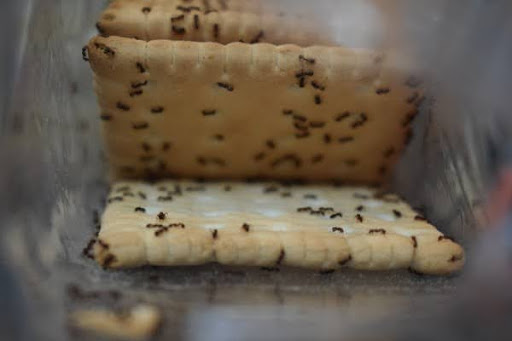
So, what is the fastest way to get rid of ants?
The most effective way to get rid of ants in your house is through prevention. Most ant species invade your home for food, shelter, and water. By making it difficult for them to find these resources, you can discourage them from entering in the first place. If ants can’t find what they’re looking for, they’ll move on to a different location. Our ant experts are here to help! They understand how to get rid of ants in the house and can recommend various preventive measures.
To further protect your home from ants and other pests year-round, consider one of Terminix’s PestFree365 pest control plans. These two plans help protect your family and pets from the most common household pests year-round. Both plans are backed by our Nix Pest Guarantee—if pests come back, so do we.1 Our PestFree365 plan protects you from 25 common household pests, including house ants.2 For even more comprehensive coverage, PestFree365+ protects you from an additional 14 pests, including tricky invaders like crazy ants, carpenter ants, and fire ants.3
1Treatments and Covered Pests defined in Plan. Limitations apply. See Plan for details.
2Coverage includes: "House" Ants, Bird Mites, Indoor Ticks, Cockroaches, Carpet Beetles, Fabric Moths, Overwintering Insects, Ground Beetles, Centipedes, Crickets, Earwigs, Firebrats, Millipedes, Clover Mites, Pillbugs/Sowbugs, Psocids, Scorpions, Silverfish, Paper Wasps, Springtails, Spiders, Stored Product Beetles, Stored Product Moths, Mice, and Rats.
3Coverage includes: All pests covered under PestFree365 and Black Widow Spiders, Brown Recluse Spiders, Voles (interior only), Bed Bugs, Fleas (interior only), Bumble Bees, Carpenter Bees, Solitary Ground Bees, Yellowjackets, Hornets, Baldfaced Hornets, Crazy Ants, Carpenter Ants, and Fire Ants.